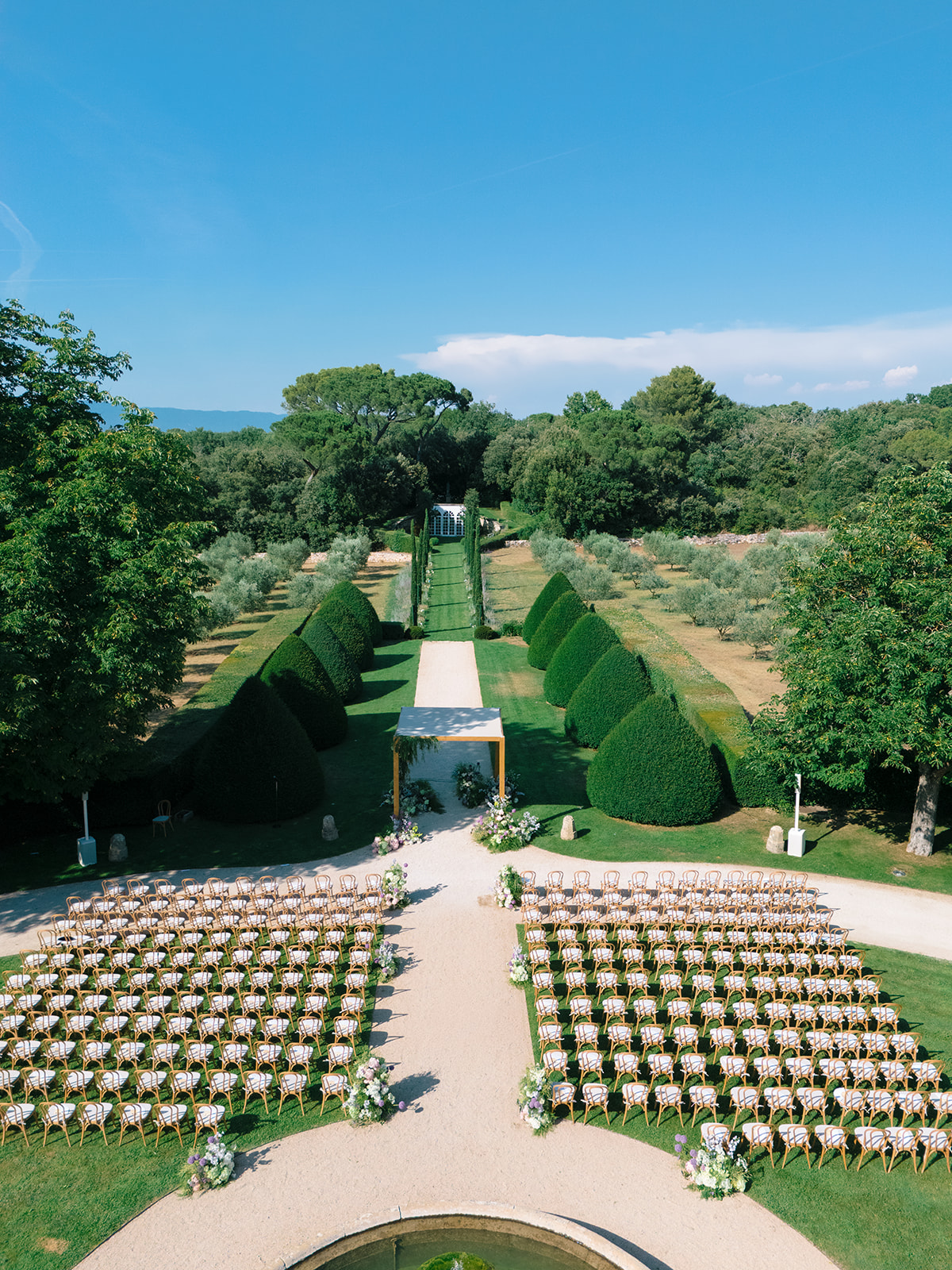
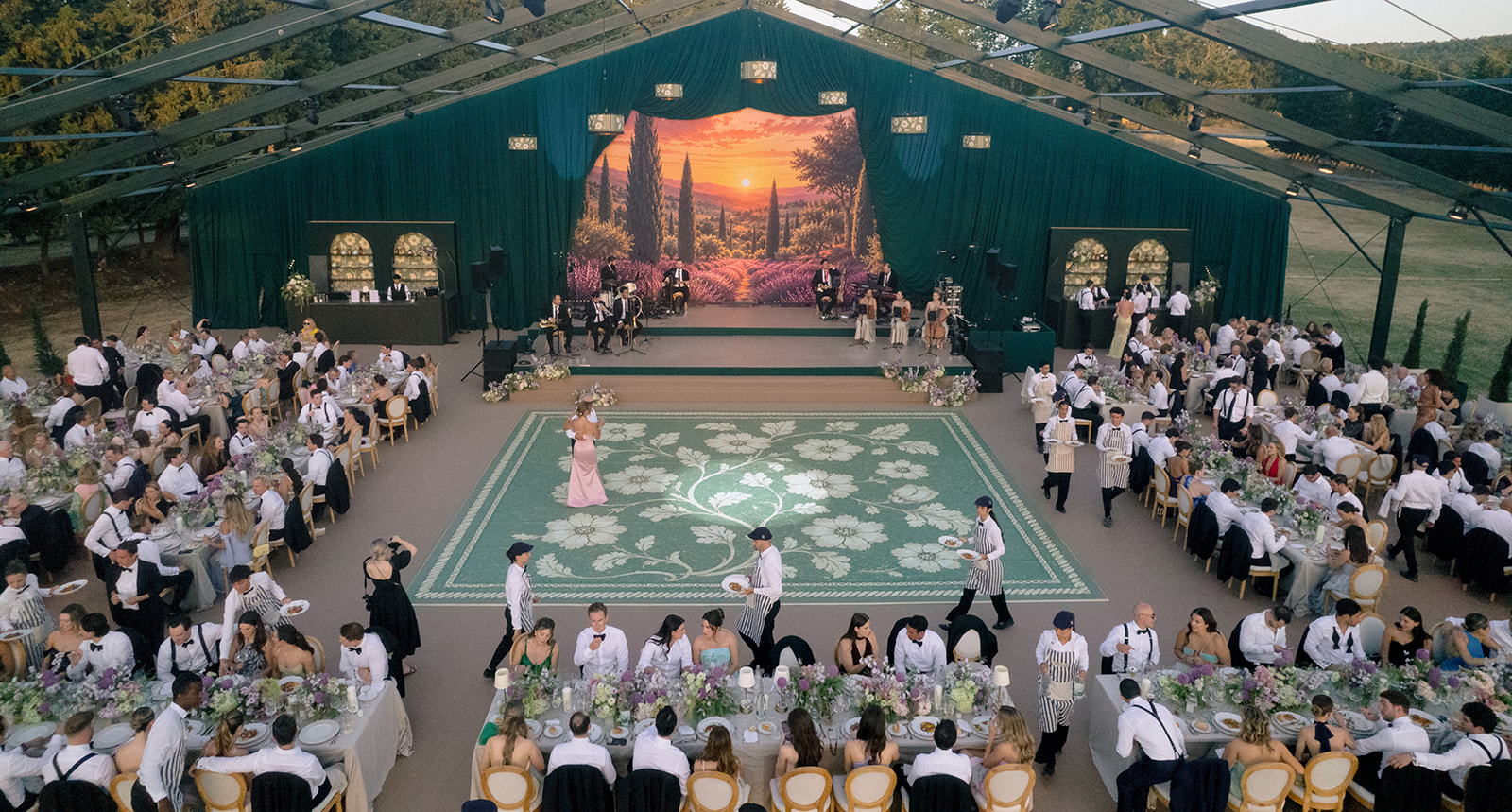
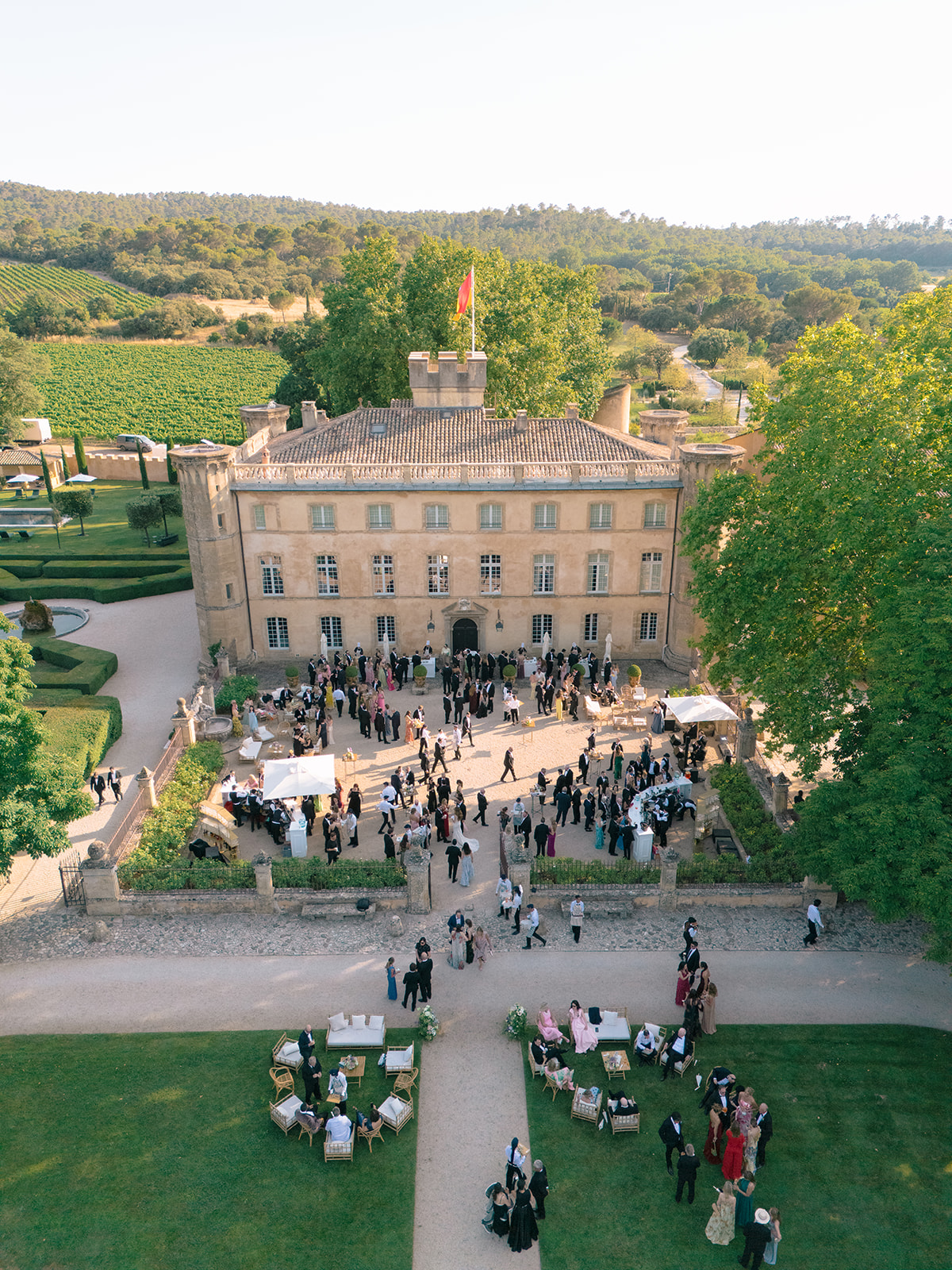
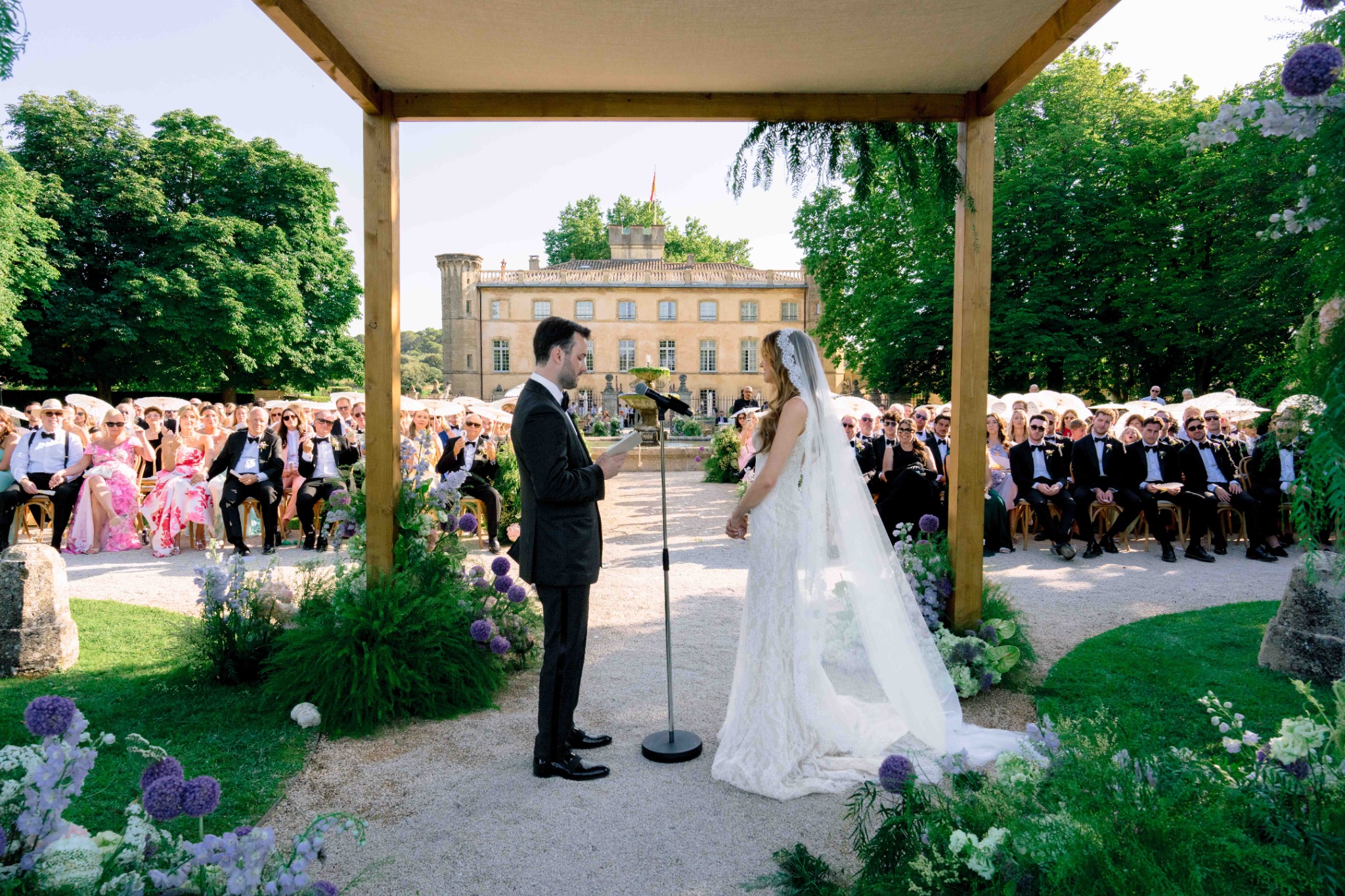
Destination wedding in Provence photographed by Jérémy Froeliger

Editorial destination wedding photography in Provence

Provence Wedding Photographer

Explore the approach
Aix-en-Provence · Luberon · Alpilles · Cassis · Worldwide
Scroll

01 — A wedding in Provence is a complete destination story

Not one day.
A complete weekend with its own rhythm.

I photograph destination weddings in Provence as one continuous story: arrival, welcome event, wedding day, late-night celebration and the quieter final gathering the next day.

For international couples, Provence works at its best when the photography is planned around the real experience rather than added after the schedule is finished. Private estates, vineyards, historic châteaux and coastal properties each create different movement, different light and different constraints.

My approach combines considered editorial portraits, documentary coverage and direct flash when the energy changes. The goal is not to turn the wedding into a production for the camera. It is to build a visual language strong enough for the setting while keeping the weekend fast, social and alive.

01

Four locations photographed first-hand

Different venues need different photographic decisions
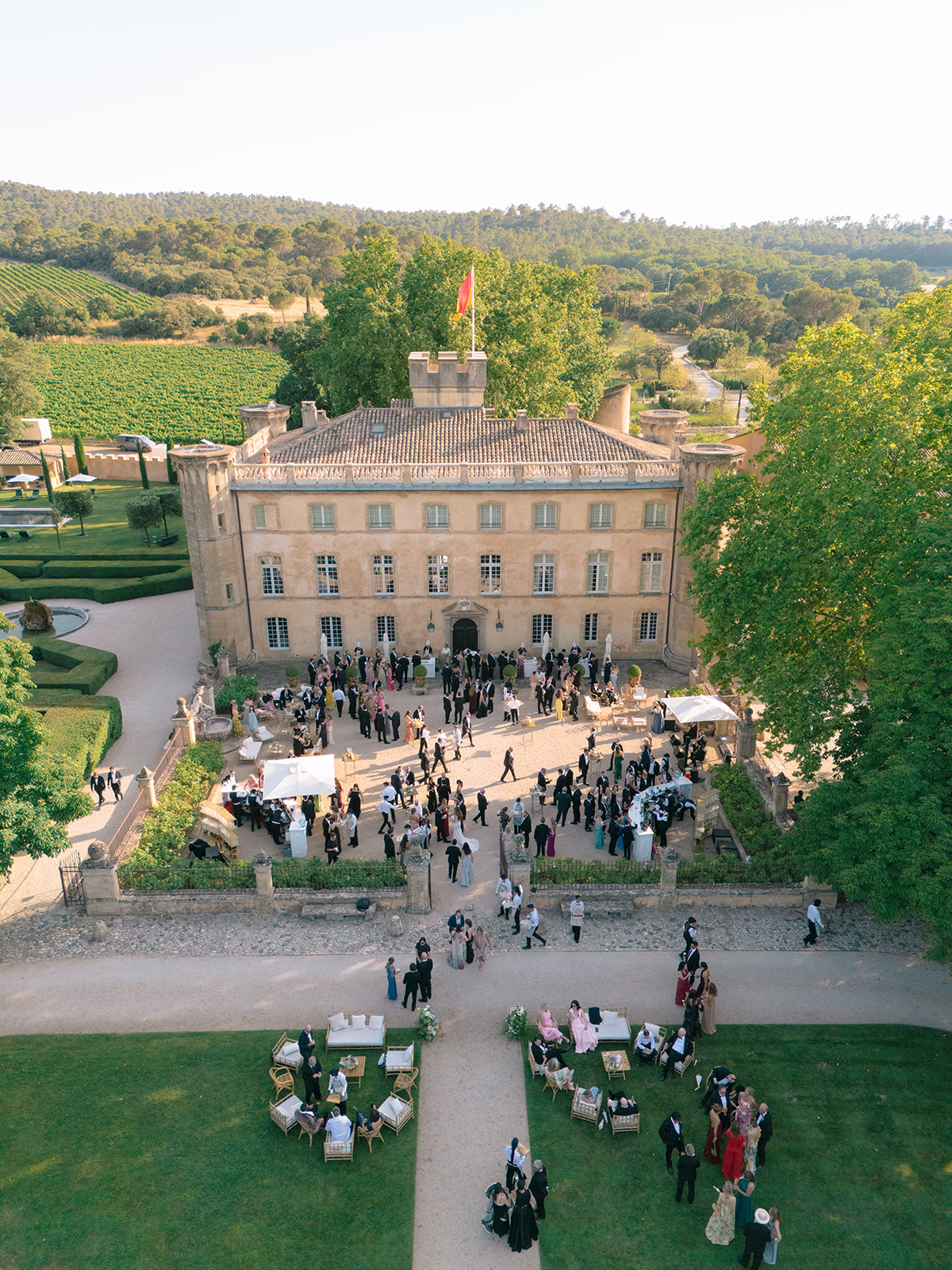
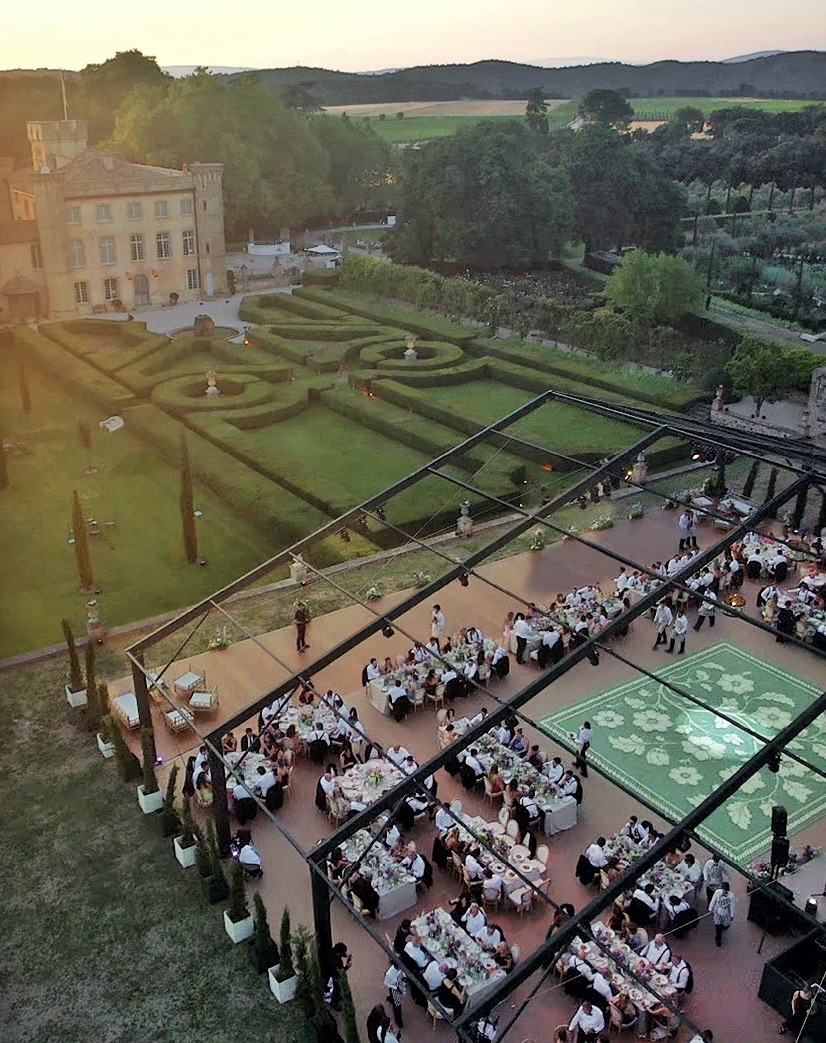
Aerial view of a wedding cocktail hour at Villa Baulieu in Provence
Villa Baulieu · Pays d’Aix
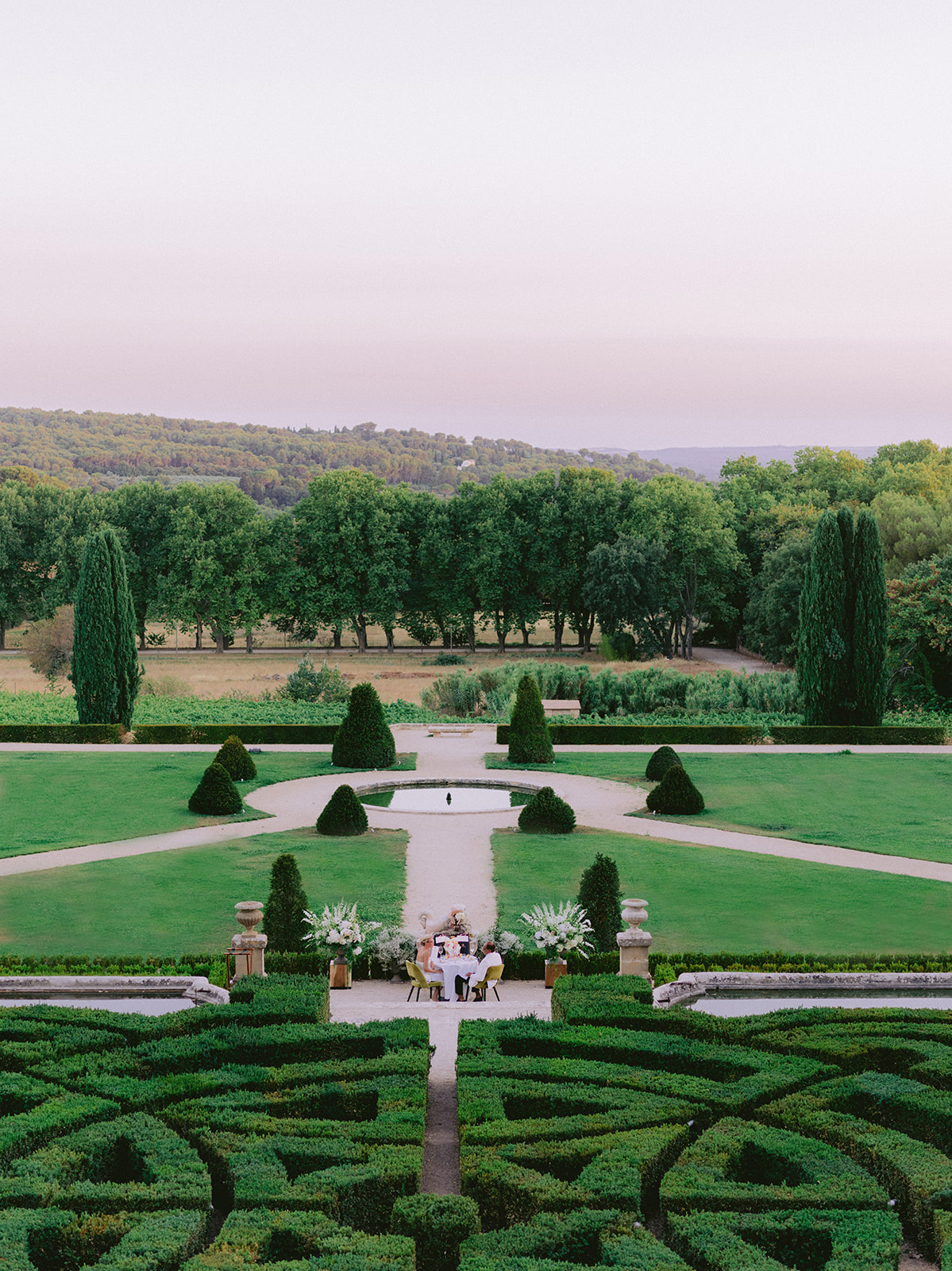
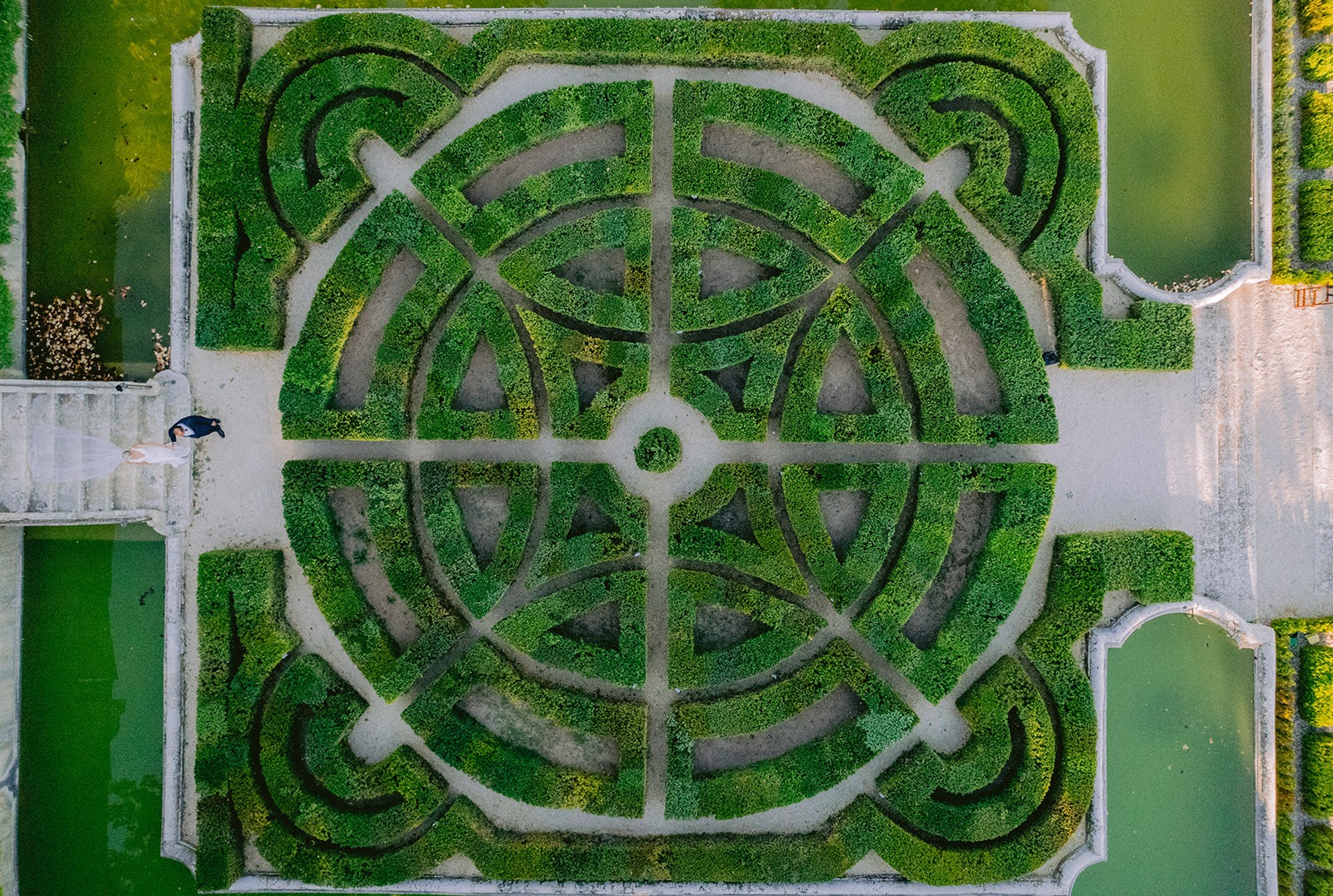
Wedding dinner in the formal gardens of Château de la Gaude near Aix-en-Provence
Château de la Gaude · Aix-en-Provence
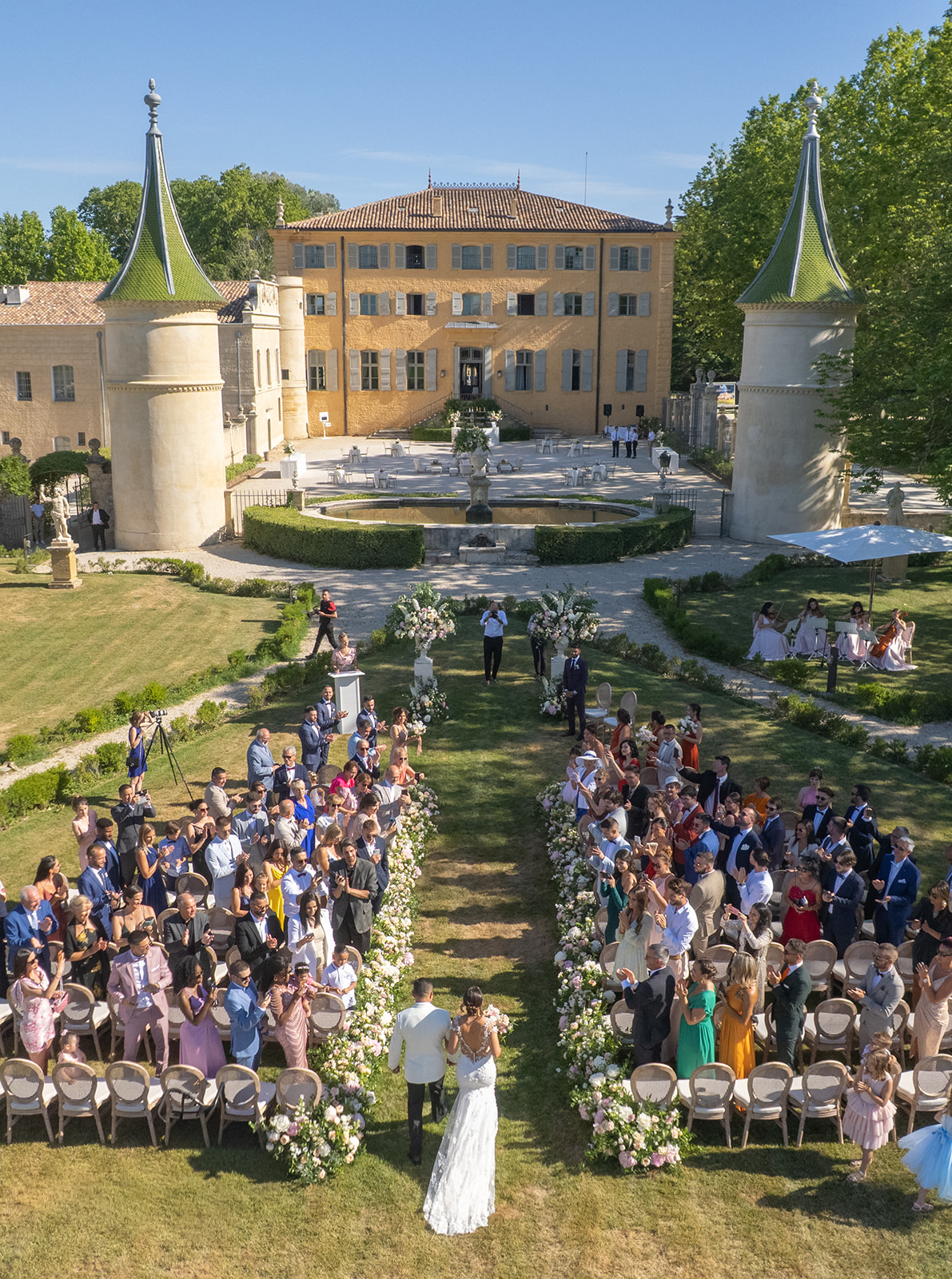
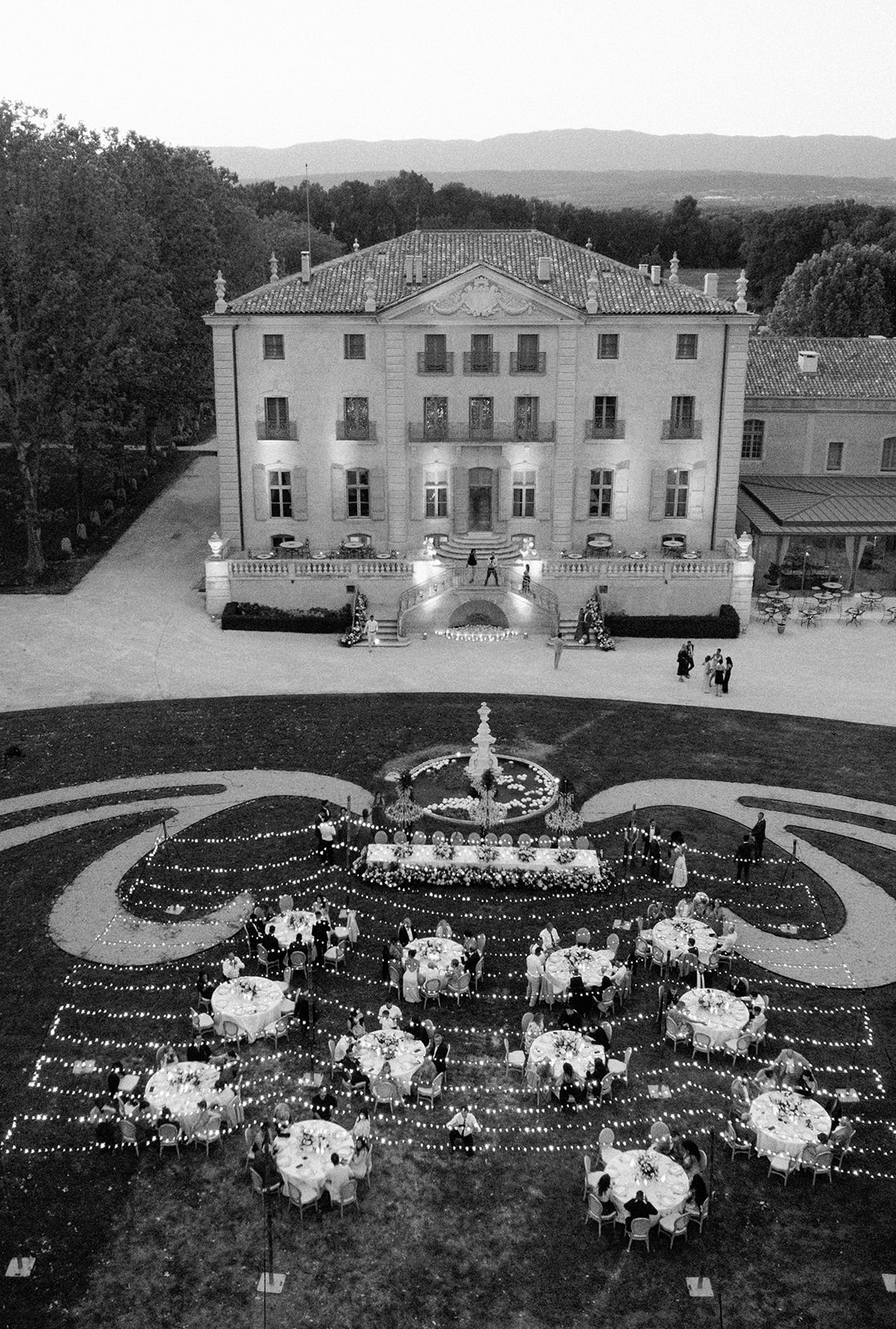
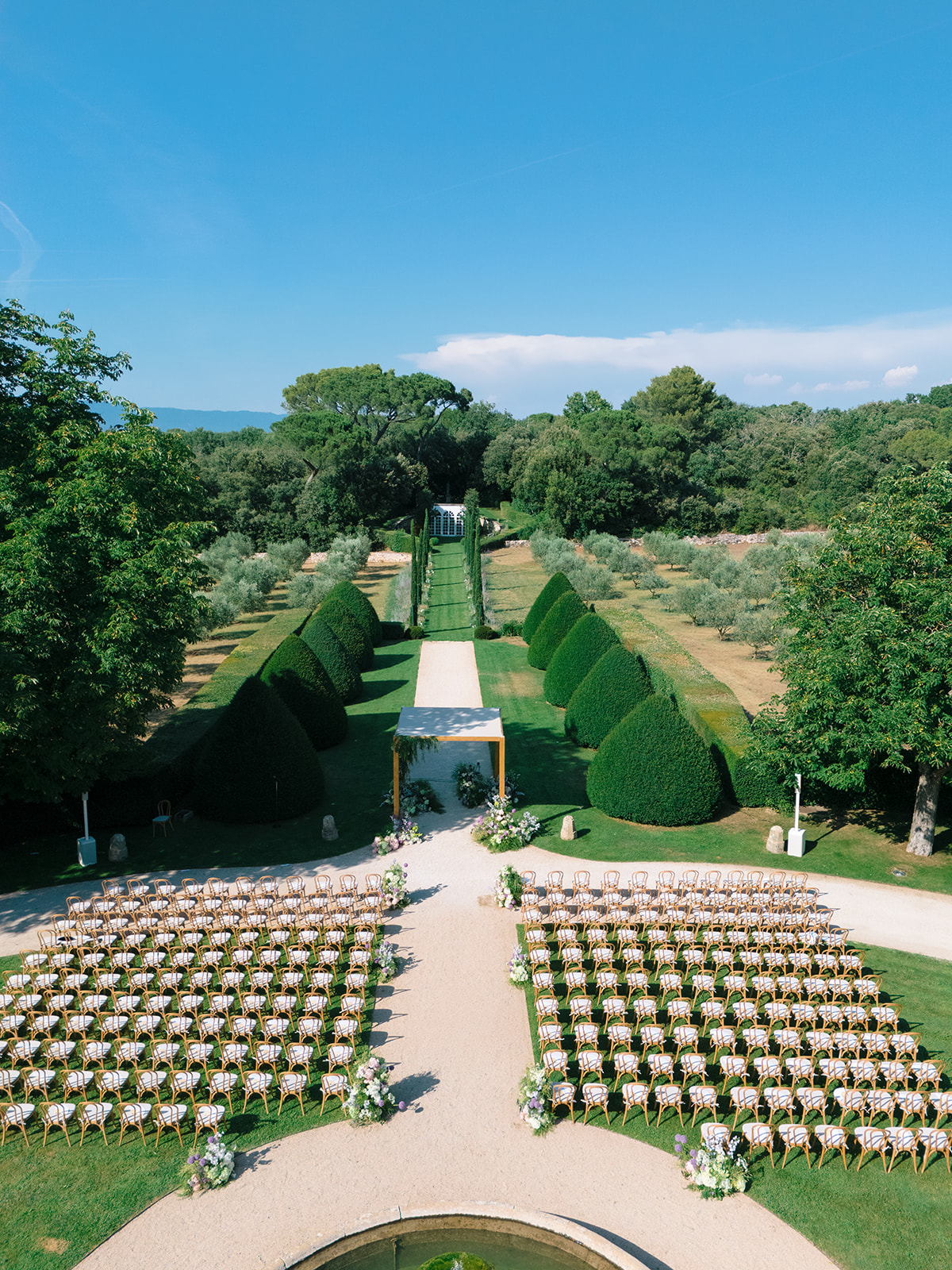
Outdoor wedding ceremony at Château de Fonscolombe in Provence
Château de Fonscolombe · Pays d’Aix
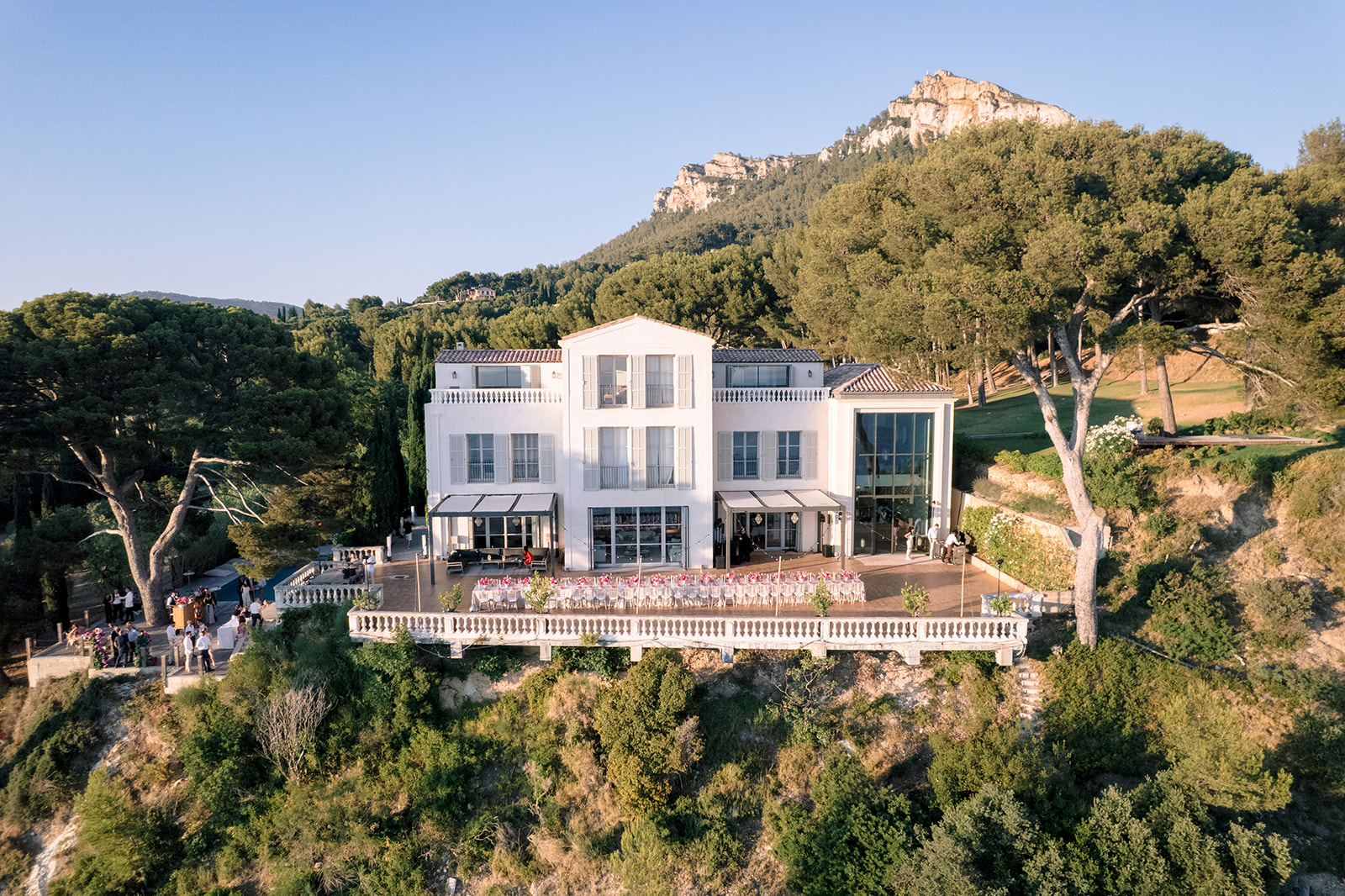
Aerial view of Domaine de Canaille wedding venue in Cassis
Domaine de Canaille · Cassis

Villa Baulieu: scale, gardens and a complete wedding weekend

Villa Baulieu is the kind of property where the story changes throughout the day: rooms and preparations, formal gardens, ceremony, cocktail hour, long outdoor dinner and a much more energetic night chapter. For a multi-day celebration, the estate also allows the guest experience to begin before the wedding itself, which gives the final gallery more relationships, more context and more variety.

See the complete Villa Baulieu wedding story for the full sequence from preparations and welcome dinner to ceremony, portraits and reception.

Château de la Gaude: a more intimate editorial pace

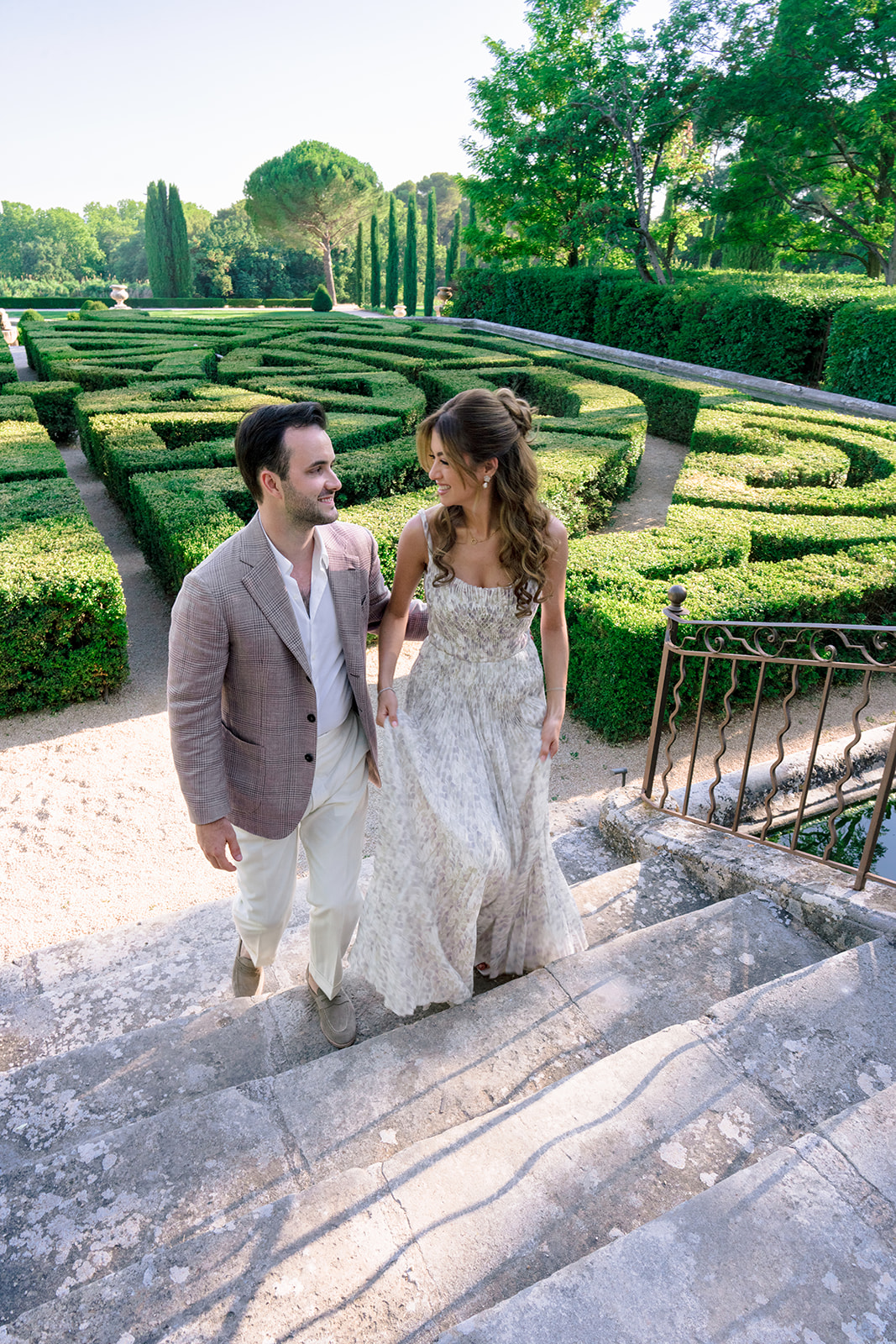
At Château de la Gaude, I have photographed an intimate elopement built around preparations near Aix-en-Provence, a garden ceremony, a classic car, portraits and a private dinner. The structured gardens and contemporary art create a cleaner, more graphic visual language than a conventional château story.

Château de Fonscolombe: ceremony to dinner after sunset

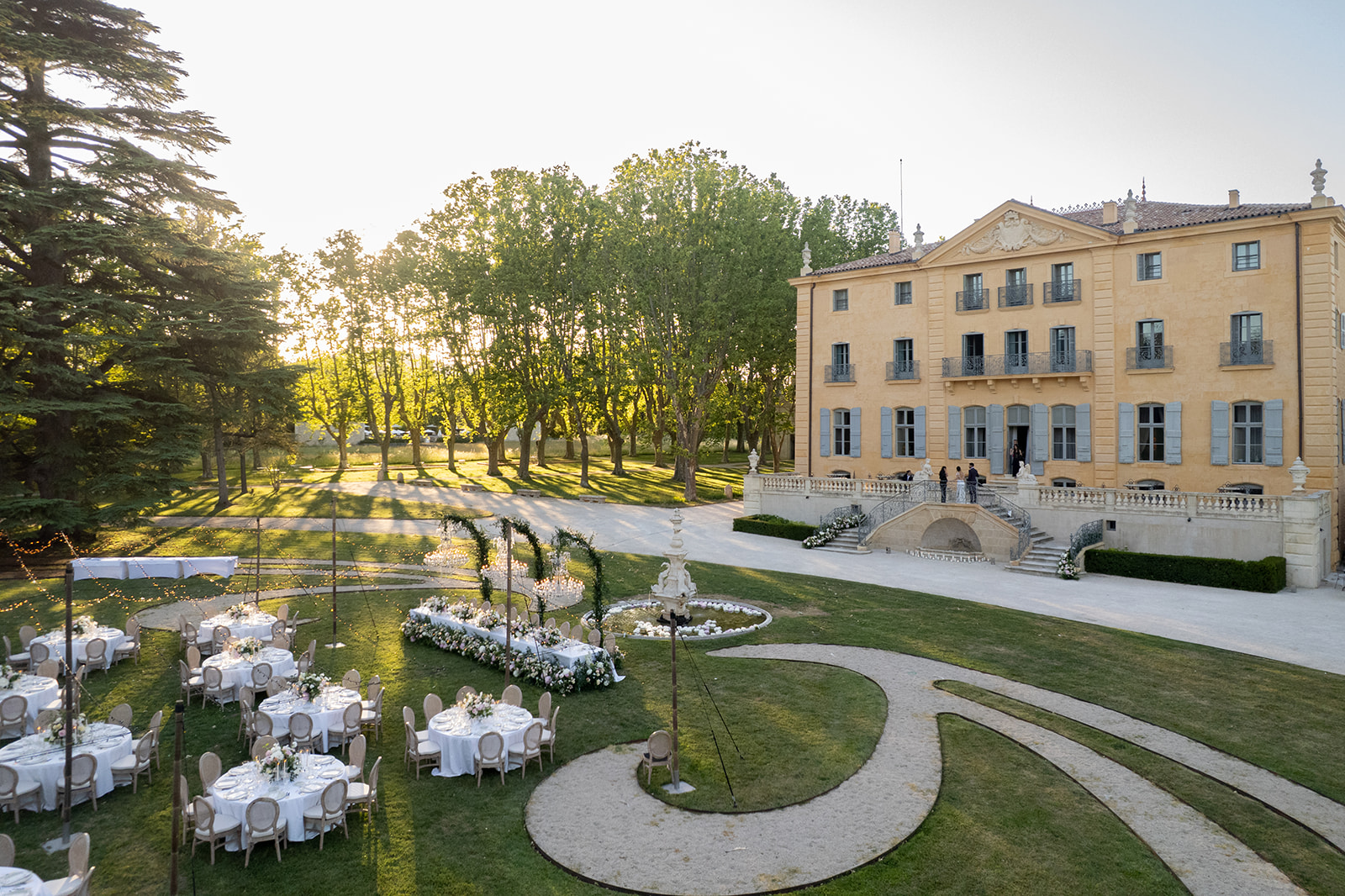
Fonscolombe is particularly interesting for the transition between a formal daytime setting and the evening. The ceremony, park and château architecture photograph very differently from the dinner once the light falls. That change of atmosphere is exactly where a full-day approach becomes useful.

Domaine de Canaille: coastal Provence, white architecture and hard Mediterranean light

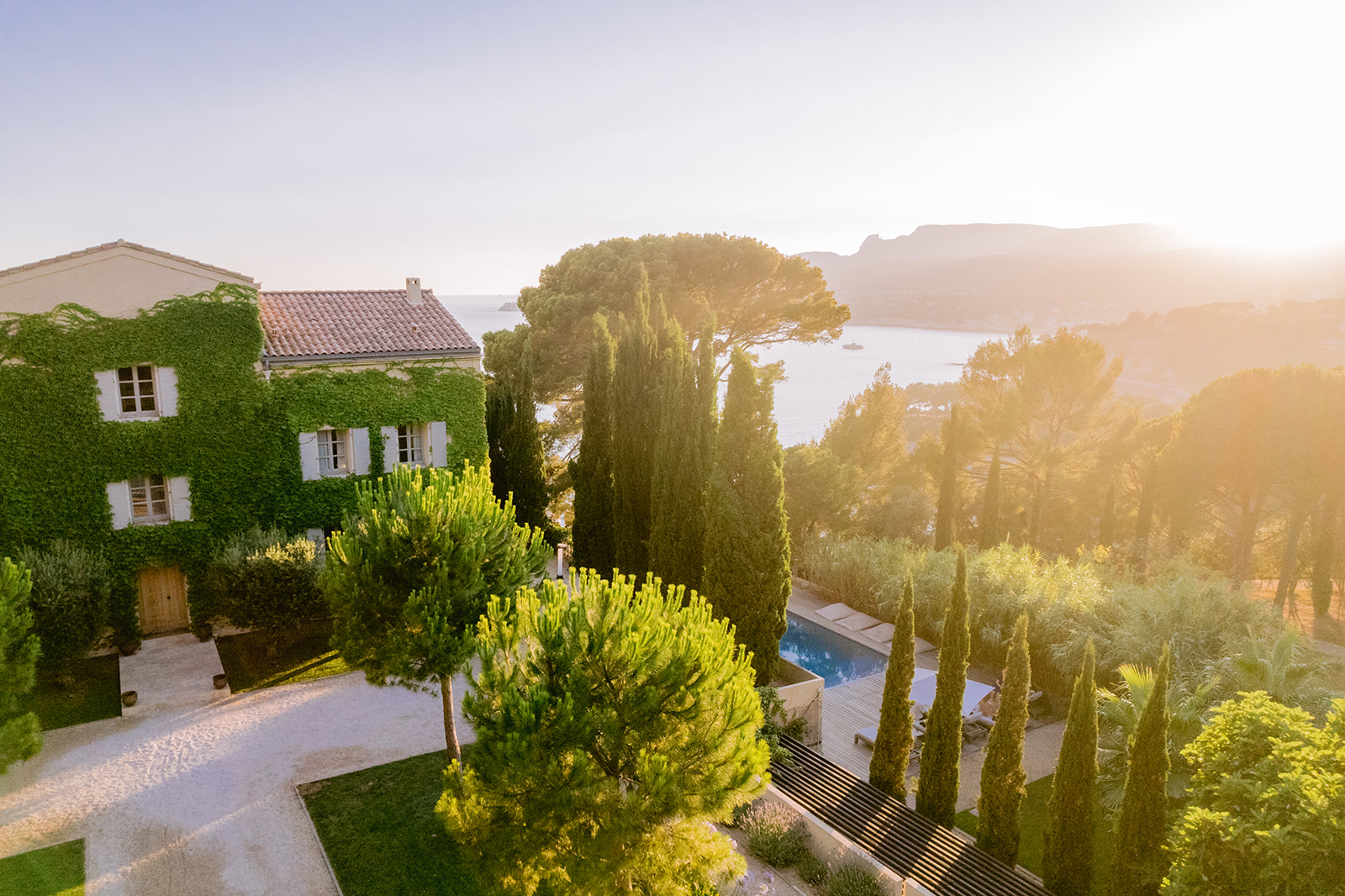
Cassis creates a completely different technical problem. Sea, pale façades and the cliff can produce high contrast during the day, while the property becomes softer and more cinematic toward sunset. I use that contrast rather than trying to make coastal Provence look like inland Provence.
02 — Multi-day coverage

“The weekend should evolve.
The photographs should evolve with it.
02

Welcome · wedding · after-party · next day

Photograph the complete destination experience

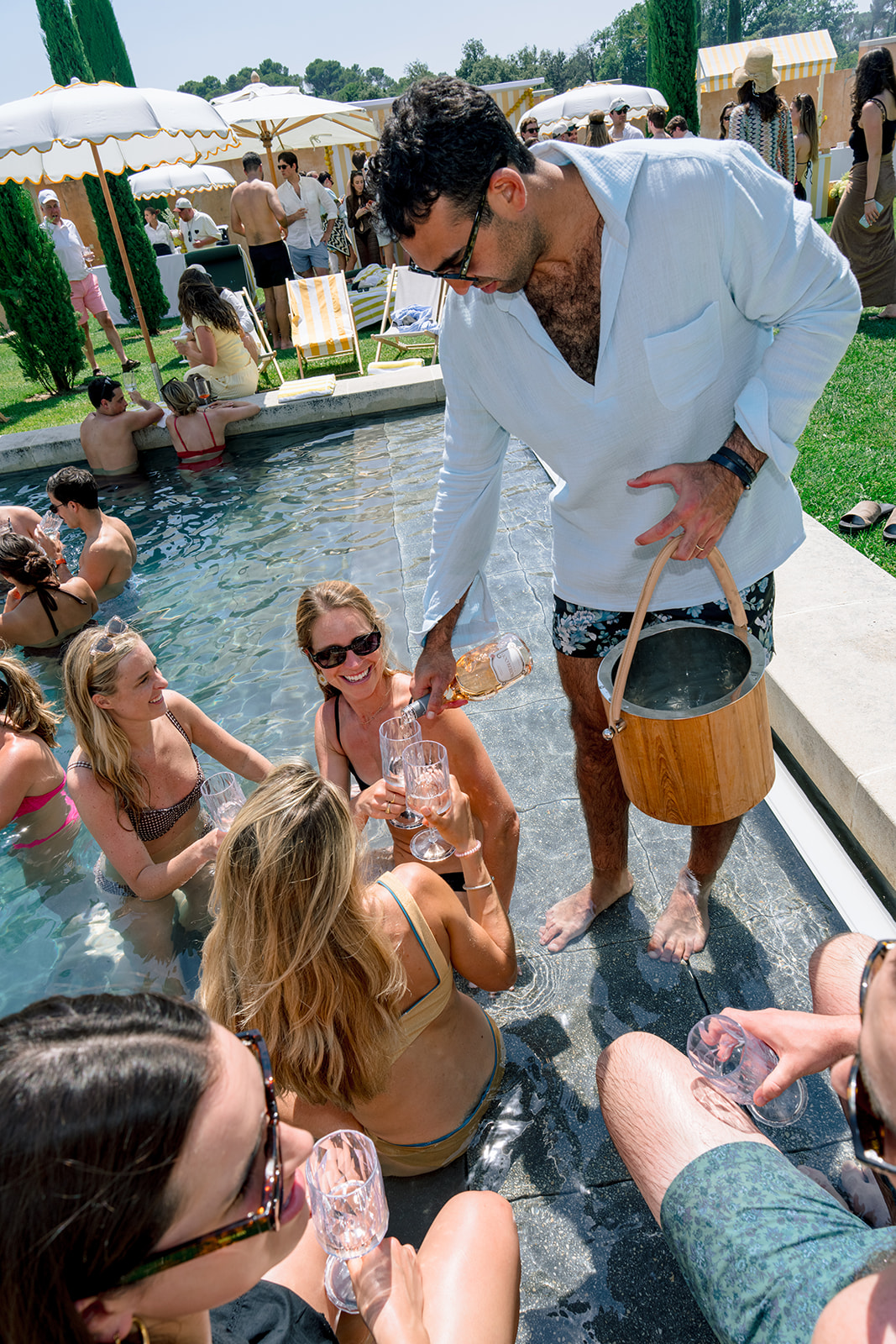
Guests celebrating at a champagne pool party at Villa Baulieu in Provence
Welcome event
Outdoor wedding ceremony in the formal gardens of Villa Baulieu in Provence
Wedding day
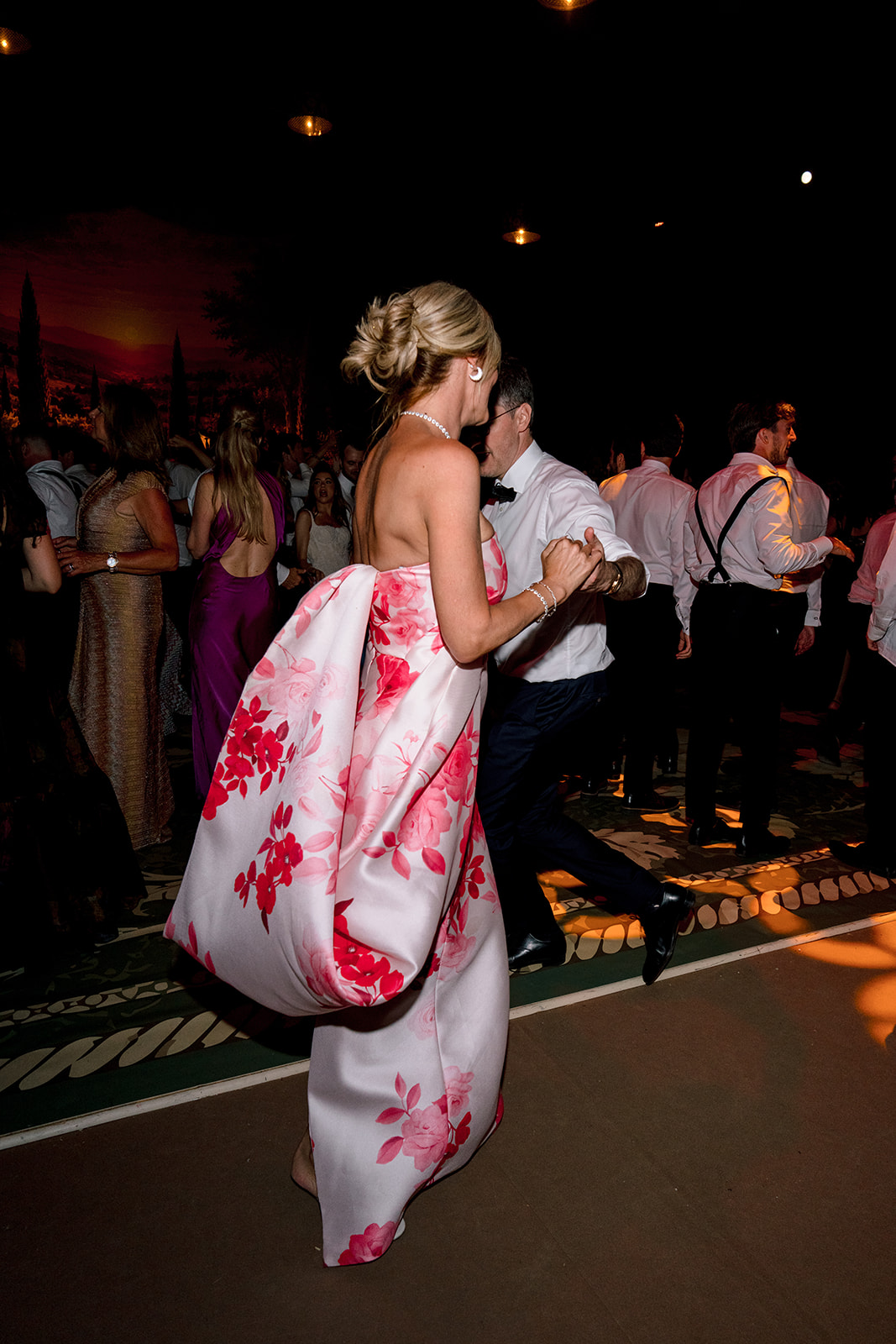
Guests dancing during a destination wedding in Provence
Late night
Relaxed post-wedding gathering at Villa Baulieu in Provence
Next day

The welcome event sets the social tone

The first evening is often where an international wedding becomes real. Guests arrive from different countries, people meet for the first time and the couple can actually spend time with them. Photography can be lighter, more spontaneous and more lifestyle-led than on the wedding day.

The wedding day carries the visual peak

Preparations, ceremony, portraits, cocktail hour, dinner and speeches require a more structured photographic plan. This is where I coordinate closely with the planner so the strongest light and the most important human moments are protected without taking the couple away from the celebration for long periods.

The party needs a different visual language

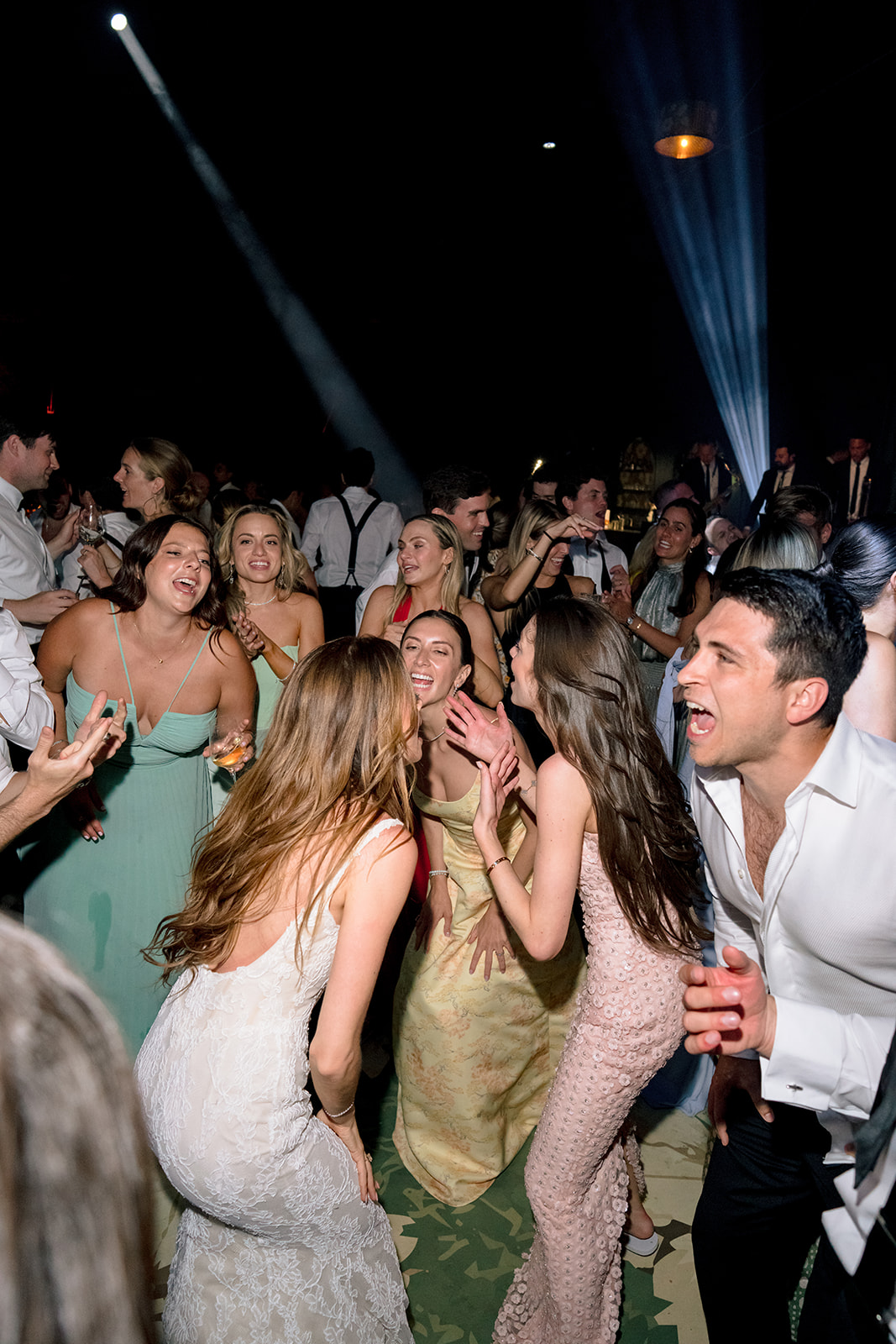
Once the formal part of the day is over, I move toward a more immediate approach: direct flash, movement, tighter framing and images that feel closer to nightlife and fashion than to traditional wedding photography.

The next day completes the story

A brunch, pool party or relaxed lunch is not simply an extra event. It is the final chapter of the destination weekend. People are more relaxed, groups change and the photographs can feel completely different from the main celebration.

03

Light, heat and timing

Provence is beautiful because the light is demanding

Midday is not the same light as 7 p.m.

In summer, Provence can move from hard overhead light to a long, warm evening. I plan portraits and ceremony orientation around that change. When possible, I avoid creating a schedule that asks guests to sit in full sun while also expecting soft ceremony photographs.

Heat changes more than comfort

High temperatures affect makeup, flowers, clothing, energy and the pace at which people move. Shorter portrait windows, shade, water and realistic transfers matter. The visual plan has to respect the physical reality of the day.

Sunset often overlaps with dinner

In June and July, the most flattering light can arrive while dinner service is already beginning. I work with the planner and catering timeline so a five- or ten-minute portrait window can be protected without interrupting the evening.

Travel time must include the invisible minutes

A remote estate may be close on a map but still require loading cars, walking through the property, parking, guest boarding and vendor movement. Photography is planned around the real sequence, not the estimated driving time alone.

04

Natural light + direct flash

Editorial when it matters. Fast and instinctive when the room changes.

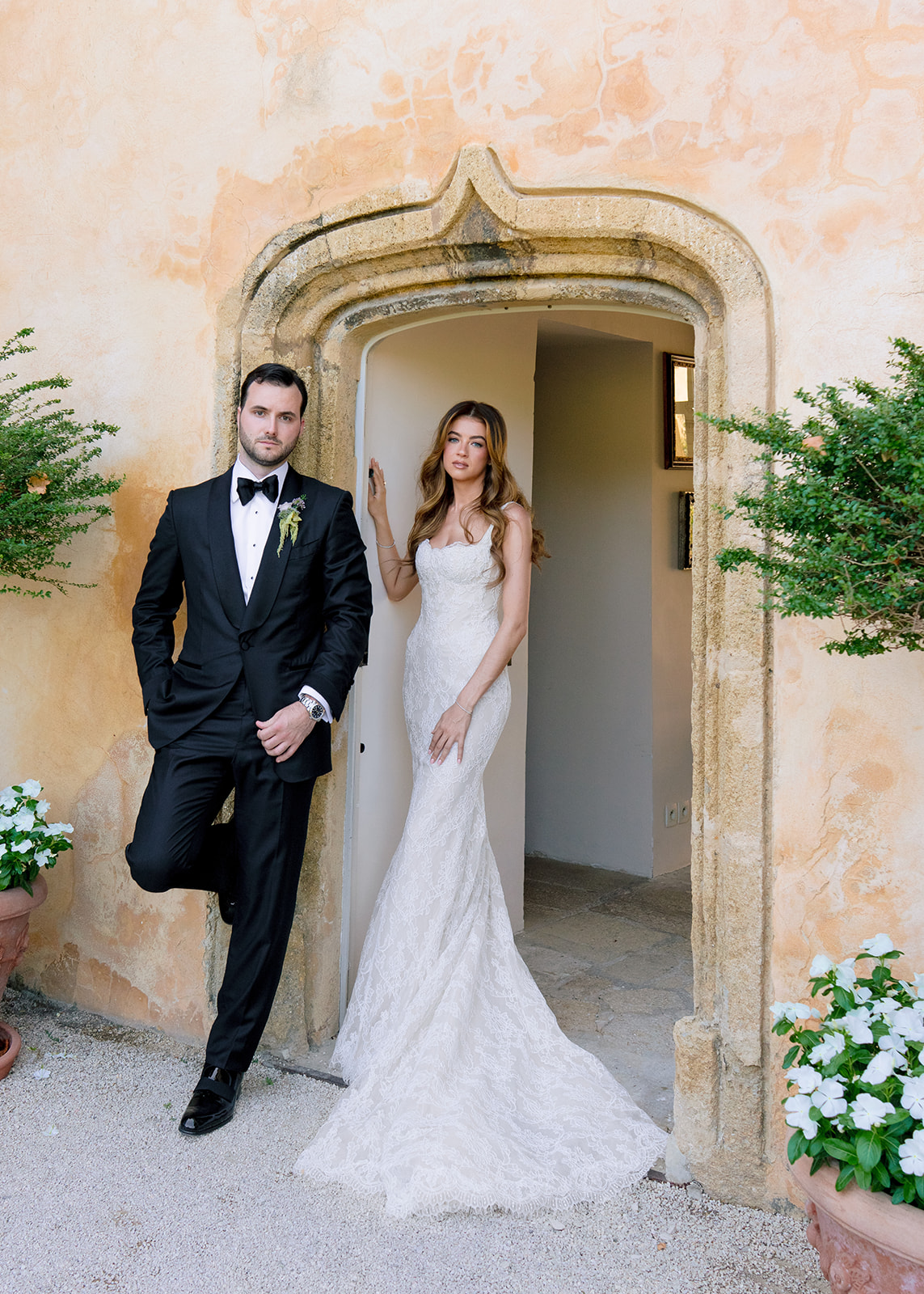
I do not use one lighting formula for an entire wedding. Soft natural light can be the right choice for preparations and ceremony. Controlled flash can give a portrait more structure. Direct flash can make dinner, dancing and late-night moments feel sharper, younger and more fashion-led.

Flash is part of the visual identity, not an emergency solution

I use flash intentionally when it adds contrast, texture or energy. The goal is not to make every image look artificially lit. It is to move naturally between the available atmosphere and a stronger editorial look when the moment supports it.

Direction without over-directing

For portraits, I give clear, precise direction so the couple never has to invent what to do in front of the camera. For the rest of the wedding, I step back. The balance is what allows the gallery to feel composed without feeling staged.

05

The photography team

The team scales with the wedding, not with a fixed formula

Lead photographer

I remain the visual lead and the main point of contact for the couple and planner. The direction, timeline decisions and final edit stay coherent because the assignment is not passed to a separate team after booking.

Second photographer when simultaneous coverage matters

For larger weddings, two preparation locations, complex ceremonies or substantial guest counts, a second photographer can protect moments happening at the same time and add a second visual point of view.

Lighting assistant for demanding setups

When the production requires controlled lighting, fast movement or more ambitious portrait setups, I can work with a dedicated lighting assistant. This keeps the technical work efficient and avoids slowing down the couple.

Additional photographer for large-scale or multi-location events

A third photographer is not useful for every wedding. It becomes relevant when the scale, guest count or event structure genuinely requires simultaneous coverage. The proposal explains the team recommended for the actual production.

06

International couples and planners

Clear English-language communication from first call to final timeline

I regularly work with English-speaking couples and planning teams organizing France from abroad. The process is designed so photography decisions can be made early without creating another layer of complexity for the couple.

Before the wedding

We review the atmosphere, priorities, family structure, important people, venue layout and any strong visual references. I prefer a clear creative direction over an enormous shot list.

With the planner

I work directly with the planner on the master timeline, ceremony direction, portraits, room reveals, travel, family photographs and sunset. The planner remains the operational lead; I bring the photographic constraints that need to be protected.

With international creative teams

When the wedding includes a U.S.-based planner, filmmaker, stylist, designer or content team, responsibilities are clarified in advance. This prevents duplicated direction and keeps the day fluid.

07

Coverage and preparation

What a Provence wedding photography proposal is built around

Coverage based on the real event

The proposal starts with the number of events, locations, hours and guests. A single wedding day, a three-day private-estate weekend and a celebration split between Aix and a remote venue do not need the same structure.

Team recommendation

The proposal specifies whether I recommend working alone, with a second photographer, a lighting assistant or an additional photographer. The team is justified by the timeline and production, not added automatically.

Preparation before the date

Preparation includes calls with the couple and planner, review of the master timeline, photography priorities, family groups, access, travel, sunset, ceremony direction and the parts of the venue that need to be photographed before guests enter.

Travel and destination logistics

For remote estates or multi-day coverage, travel, accommodation and transport requirements are stated clearly in the proposal. Drone photography can be included where the venue, local regulation and weather allow it.

Final gallery

The final edit is built as one coherent story rather than a collection of disconnected highlights. The number of delivered images follows the duration and density of the celebration, with a consistent color, black-and-white and flash treatment across the weekend.

08

Provence logistics

The most beautiful properties are often the ones that need the most planning

Aix-en-Provence and Marseille are the practical anchors

Many Pays d’Aix properties work naturally with Aix-en-Provence TGV and Marseille Provence Airport. For guests, the important question is not only how they arrive in the region but how they reach the final estate and how they return after the party.

Private estates need realistic vendor access

Loading, parking, catering areas, power, lighting, sound and weather infrastructure can affect the photography timeline even when they are not visible to guests. I coordinate around those constraints rather than assuming every part of the property remains available at every moment.

Group guest transportation

For remote venues, professional transfers are part of the guest experience. They also protect the timeline: if the full group arrives late, the ceremony and every photographic window move with them.

Build a real rain, wind and heat plan

The backup plan should be photographically credible, not simply technically possible. I want to know where the ceremony moves, how guests circulate, what the light looks like and whether the alternative space can still support the atmosphere you are creating.

09 — Frequently asked questions

Provence wedding photography:
the practical questions.

Direct answers for international couples planning a destination celebration in southern France.

Do you photograph weddings throughout Provence?

Yes. I work across the Pays d’Aix, Luberon, Alpilles, Avignon area, Cassis and the wider South of France, as well as the French Riviera. Travel is structured directly in the proposal.

Can you cover the welcome dinner and the day after the wedding?

Yes. Multi-day coverage can include the welcome dinner or pool party, the wedding day, after-party, brunch, beach day or next-day gathering. The schedule is built as one assignment so each event can have a distinct visual identity.

Do you work with American couples and planners?

Yes. Communication can be handled entirely in English, with direct coordination between the couple, France-based planner, U.S.-based planner, venue and other creative teams.

Do you use flash at Provence weddings?

Yes. My work combines natural light, controlled lighting and direct flash. I use flash intentionally for portraits, dinners and parties when it adds structure or energy rather than applying one look to the entire day.

Will you bring a second photographer?

When the scale or timeline requires one. Two preparation locations, a large guest count, simultaneous events or complex movement can justify a second photographer. The team recommendation is included in the proposal.

Can you photograph with a drone?

Where the venue, local regulations, flight restrictions and weather allow it, aerial photography can be included. It is planned in advance and never treated as guaranteed when the legal or operational conditions are uncertain.

How early should we contact you?

For peak-season Provence weekends and multi-day celebrations, contacting priority vendors soon after the venue and date are confirmed is the most practical approach. Availability depends on the exact date and coverage required.

Provence is the setting.
The energy should still feel entirely yours.

Planning a wedding in Provence

Created for those who
notice everything.

Start the conversation

Provence · Paris · French Riviera · Worldwide
jeremy@photosmariage.fr · +33 6 38 55 38 08