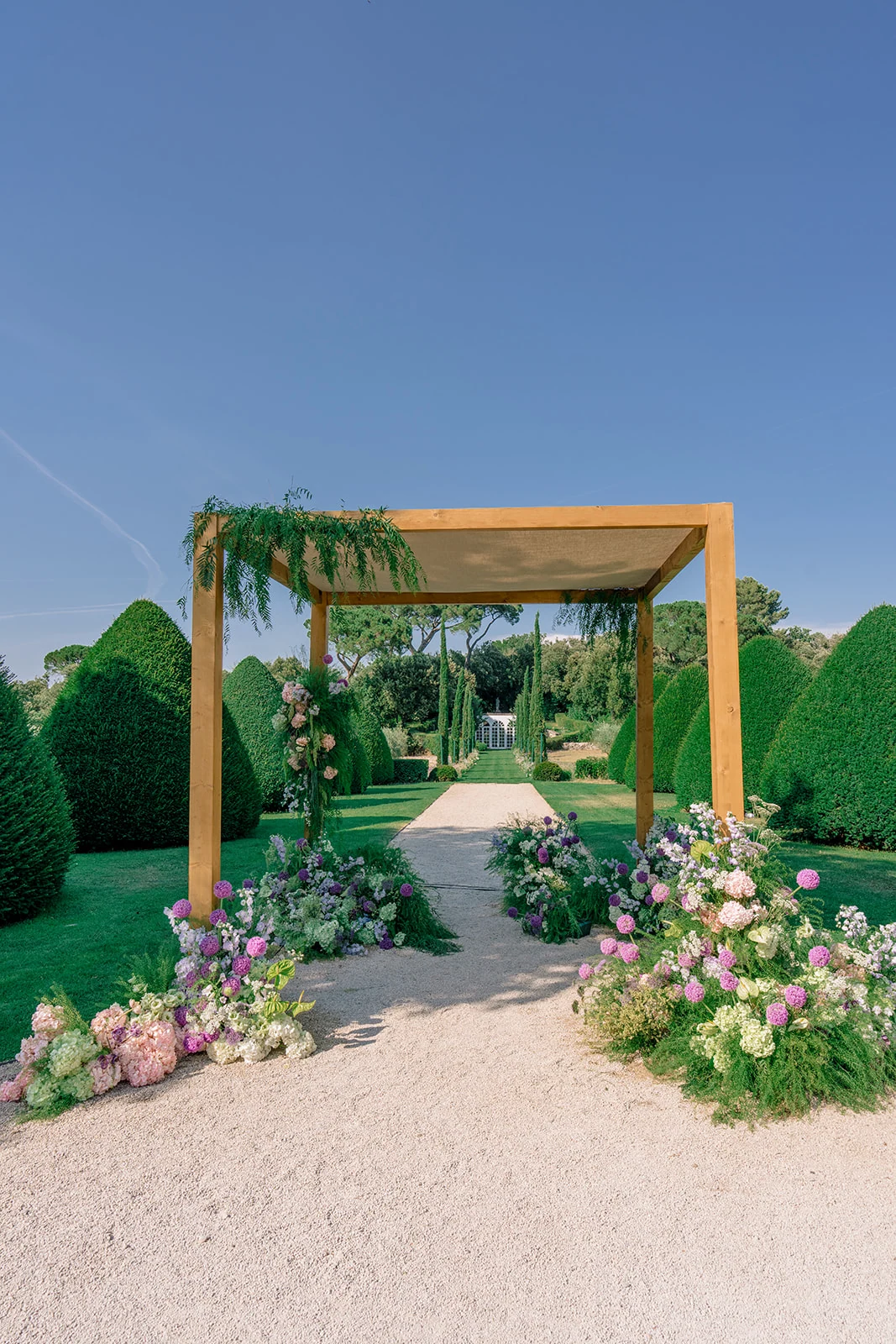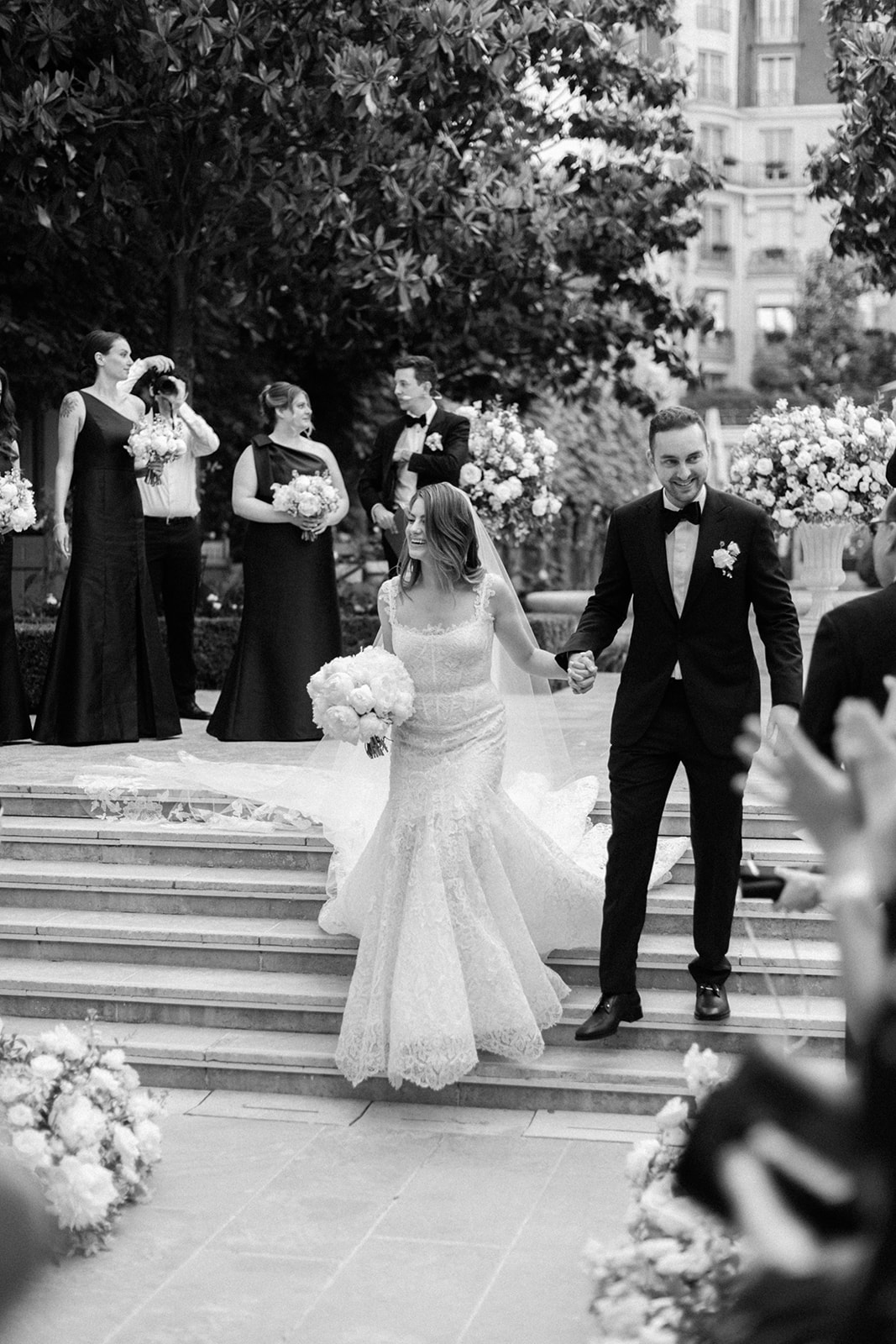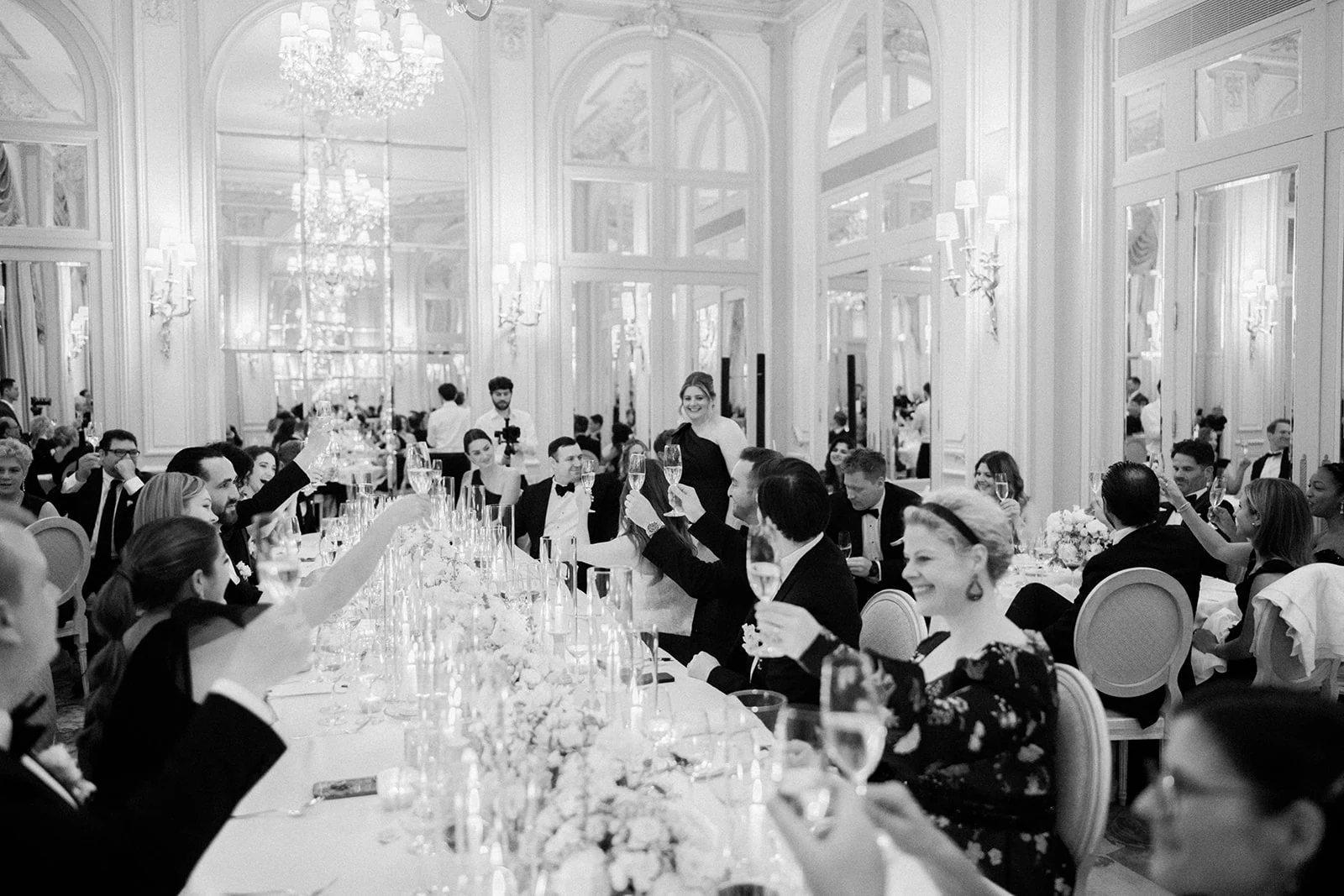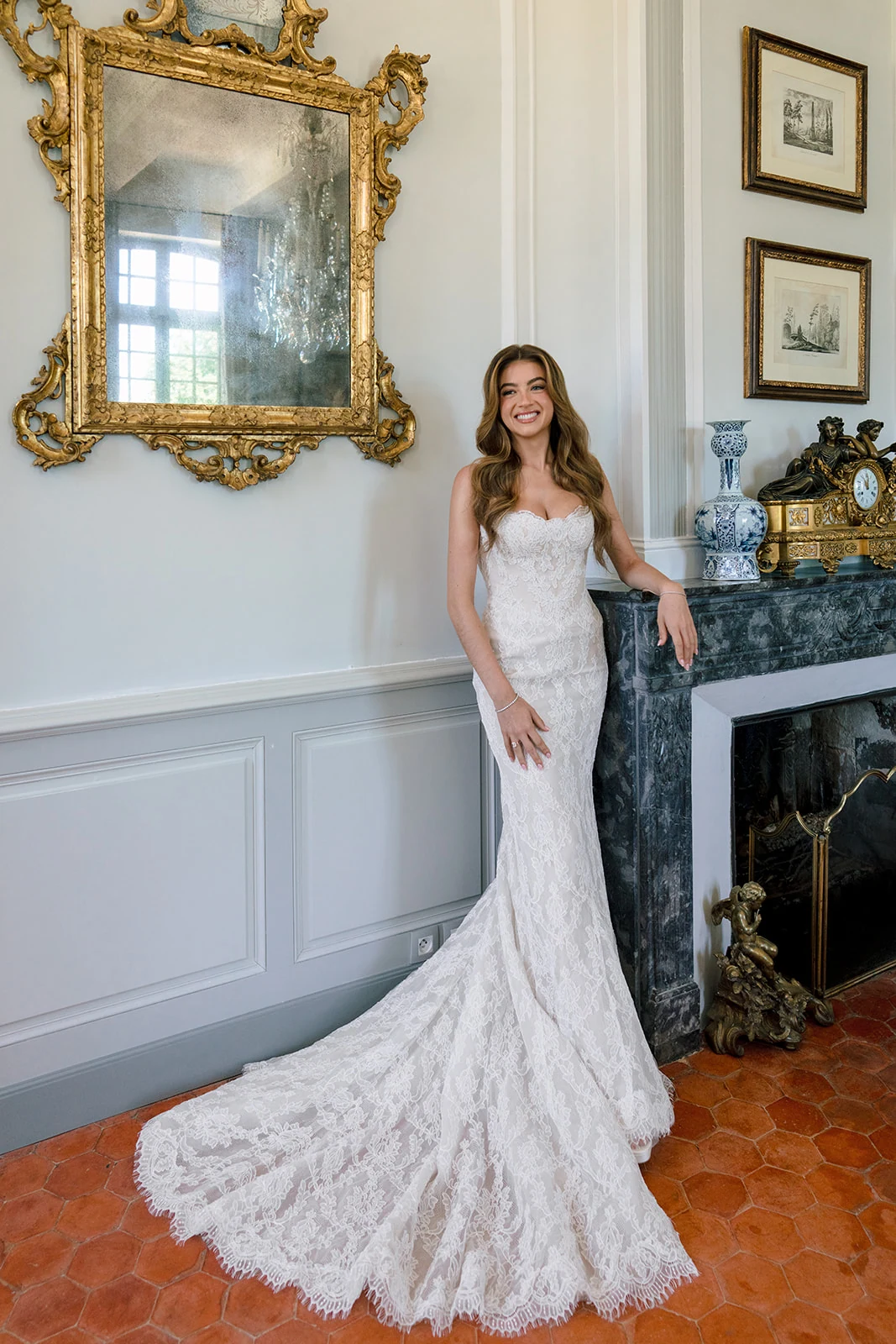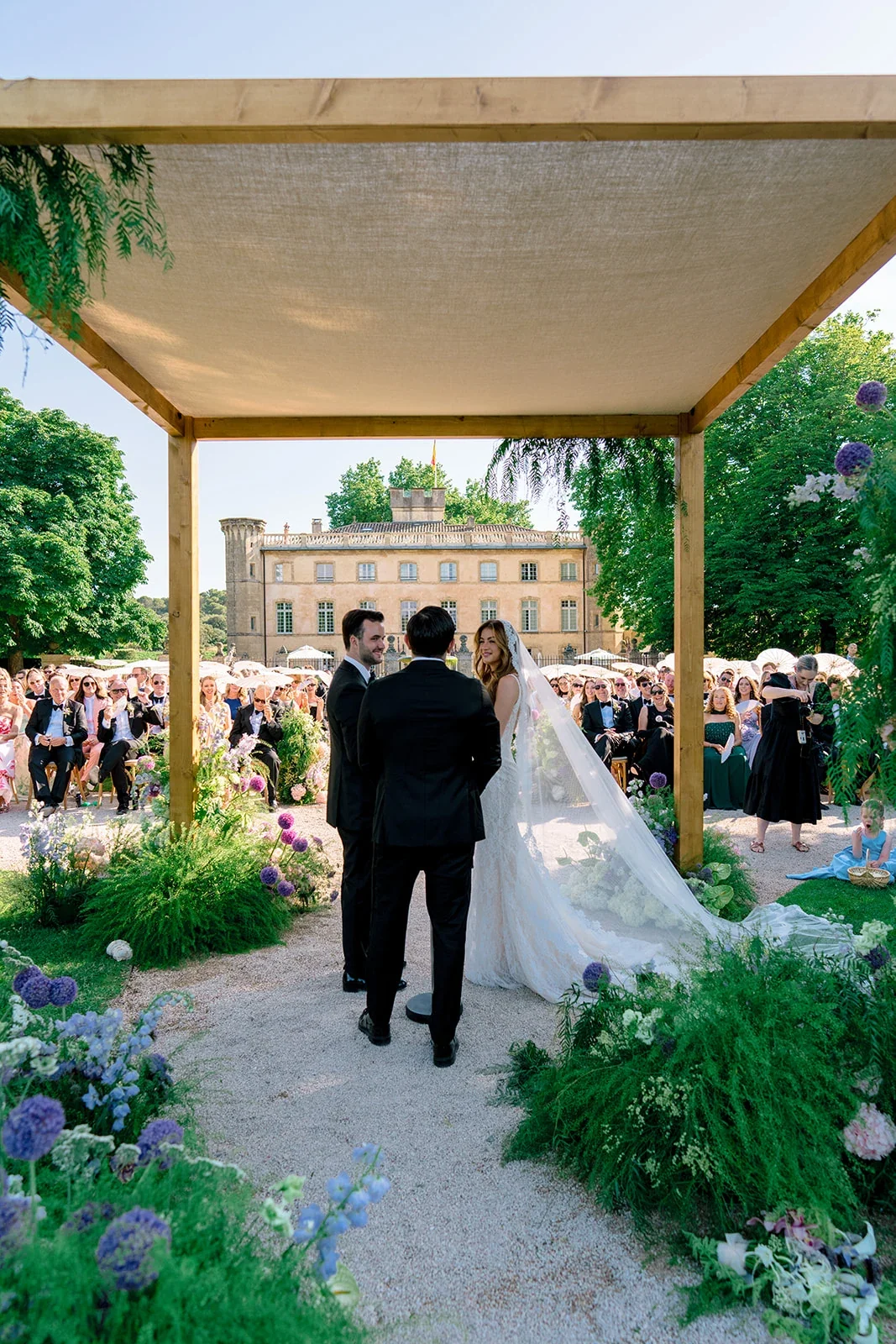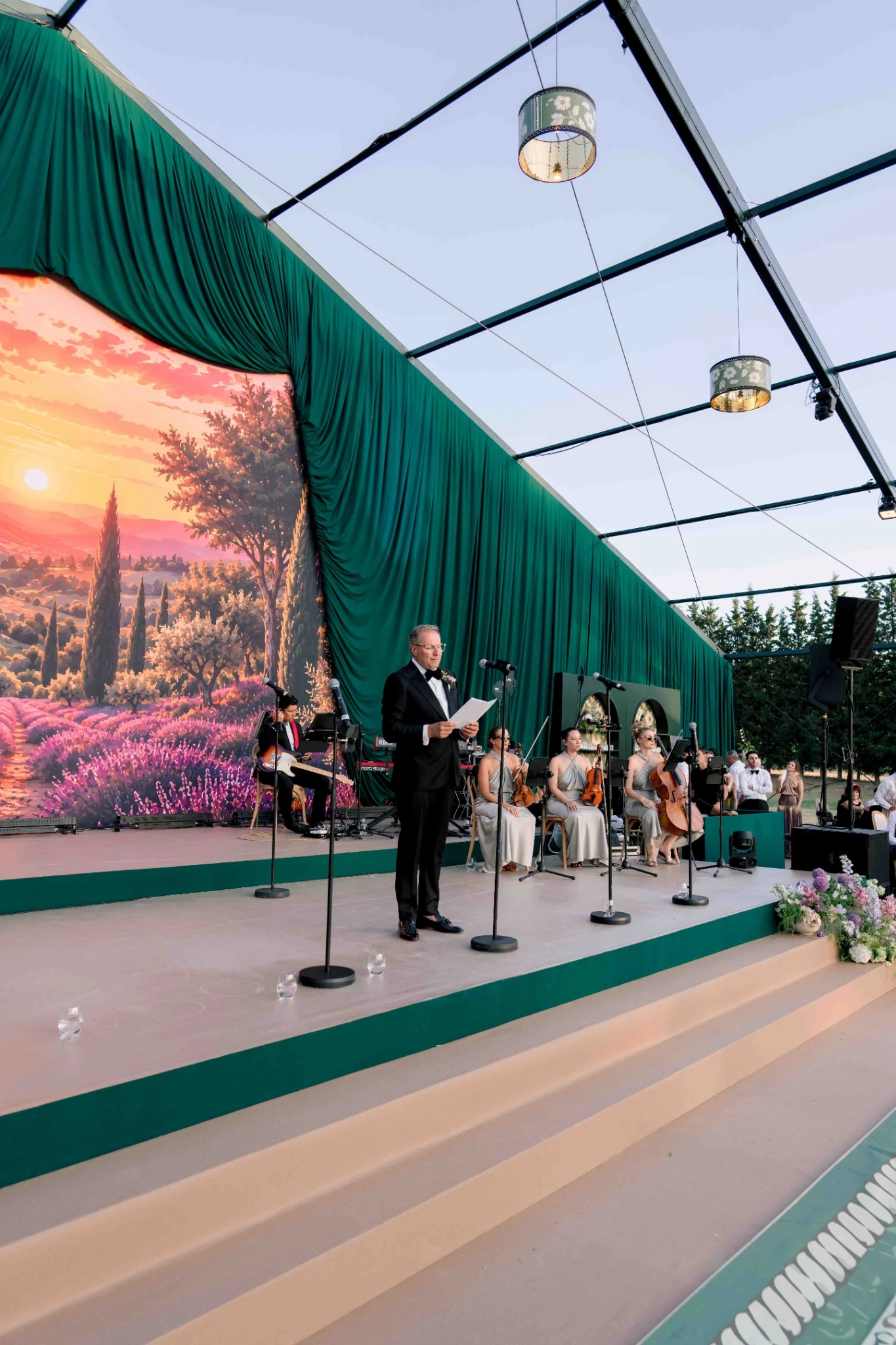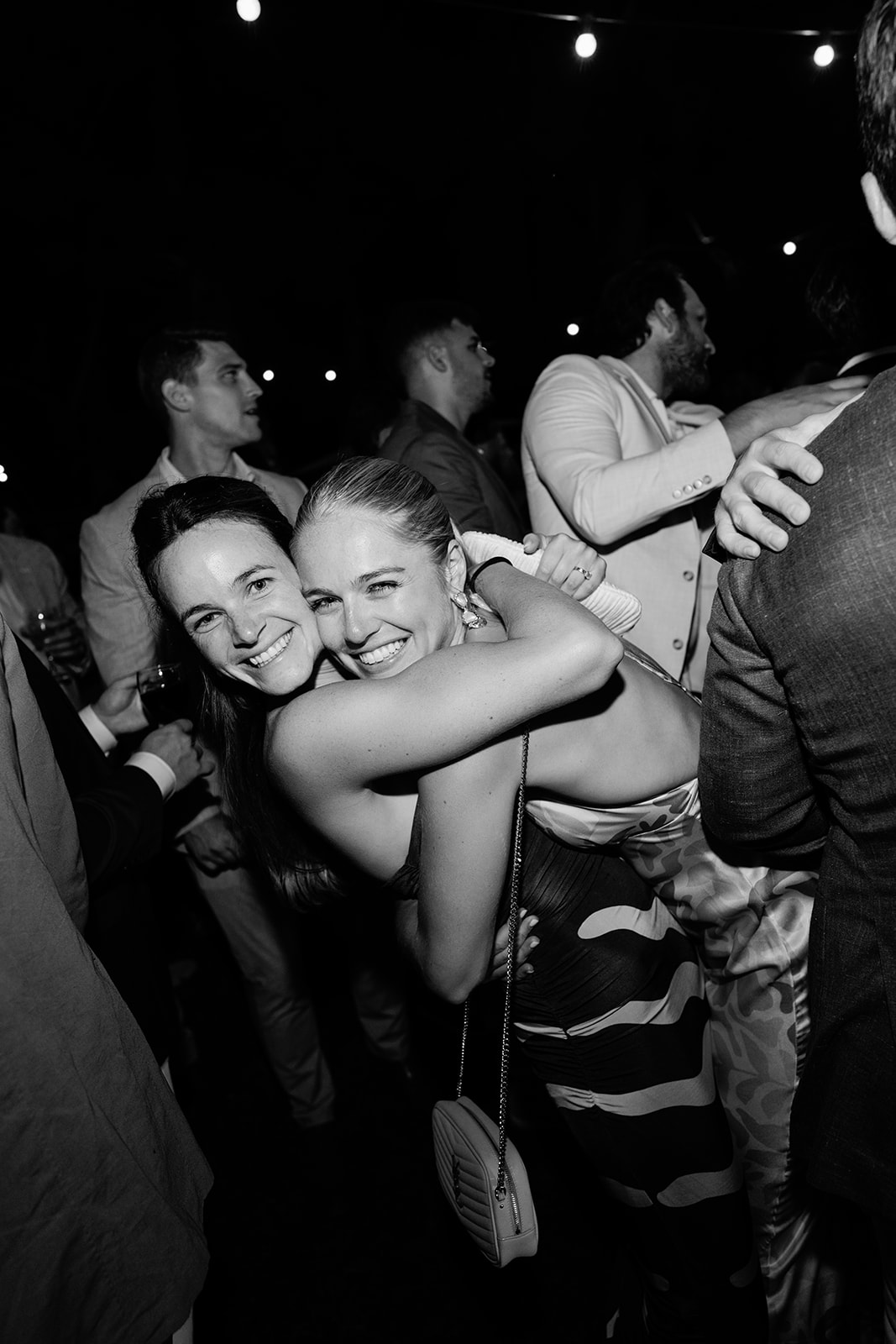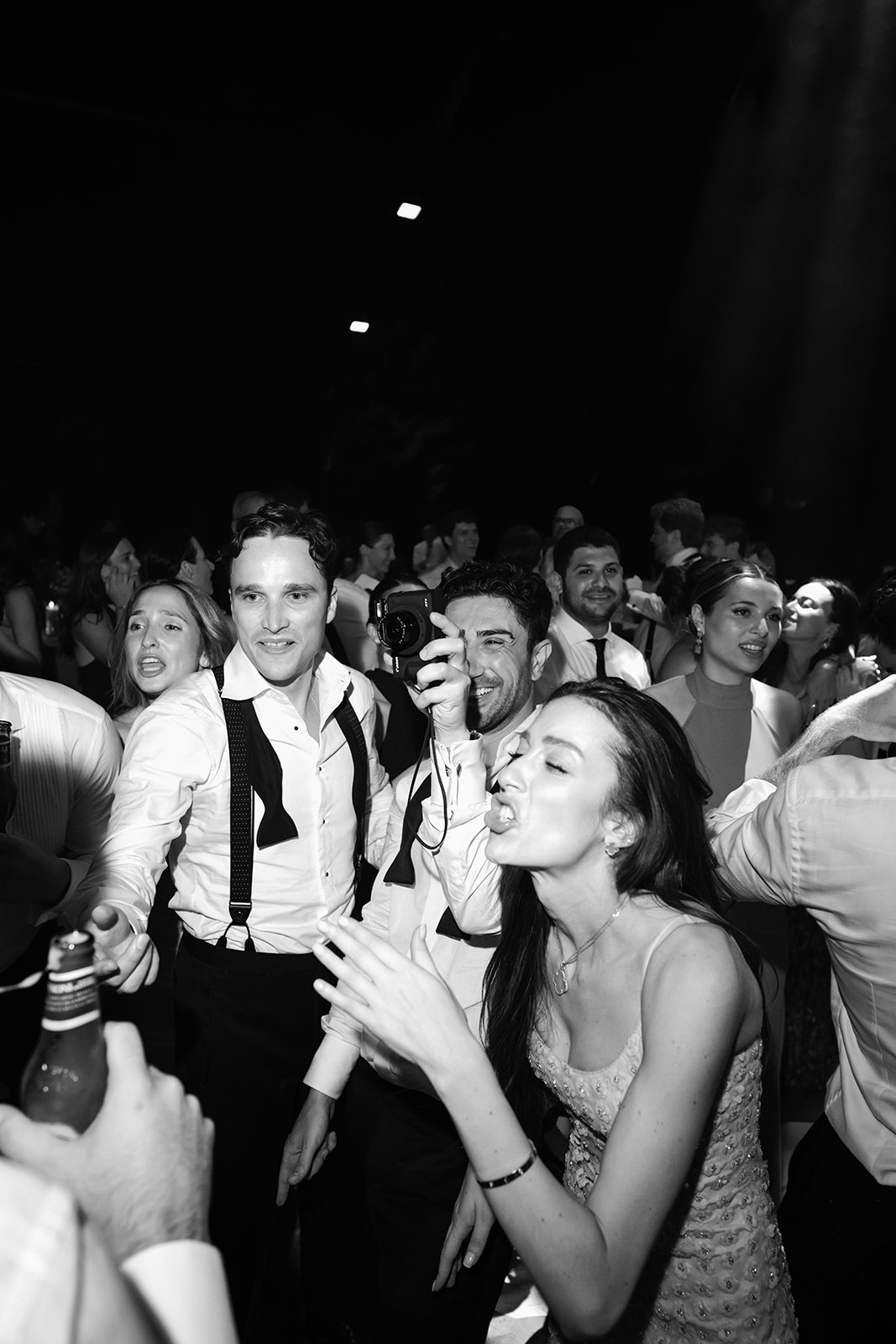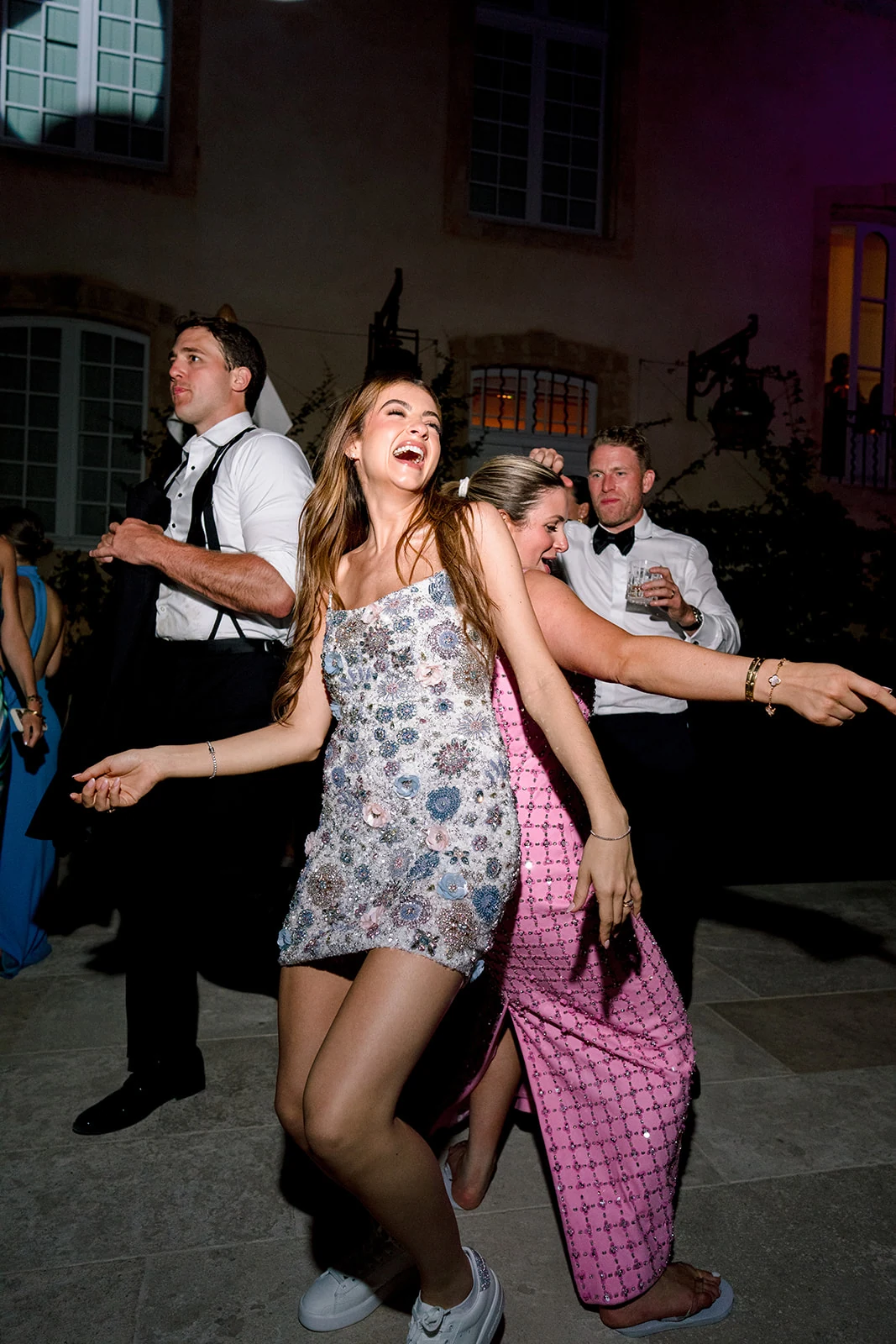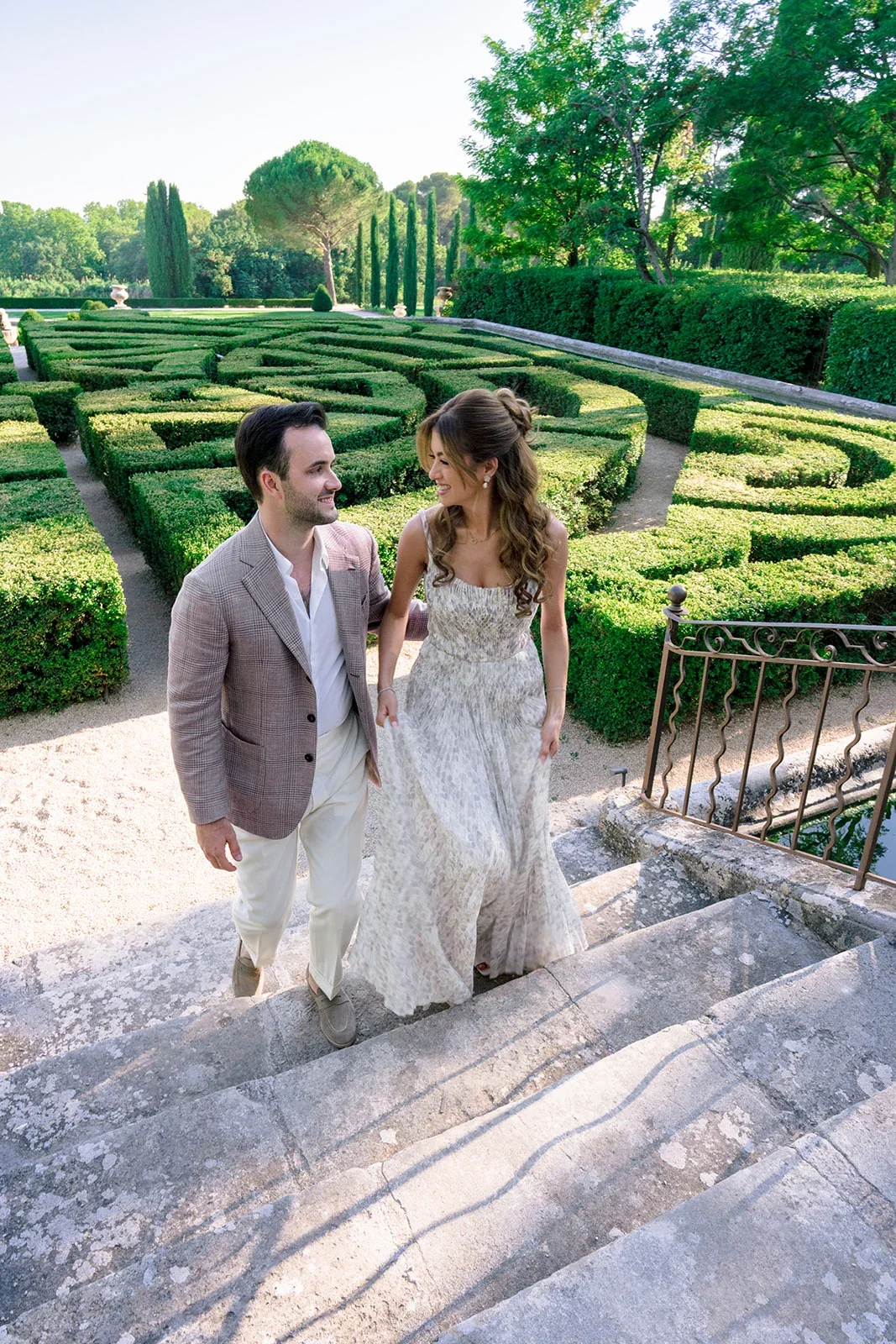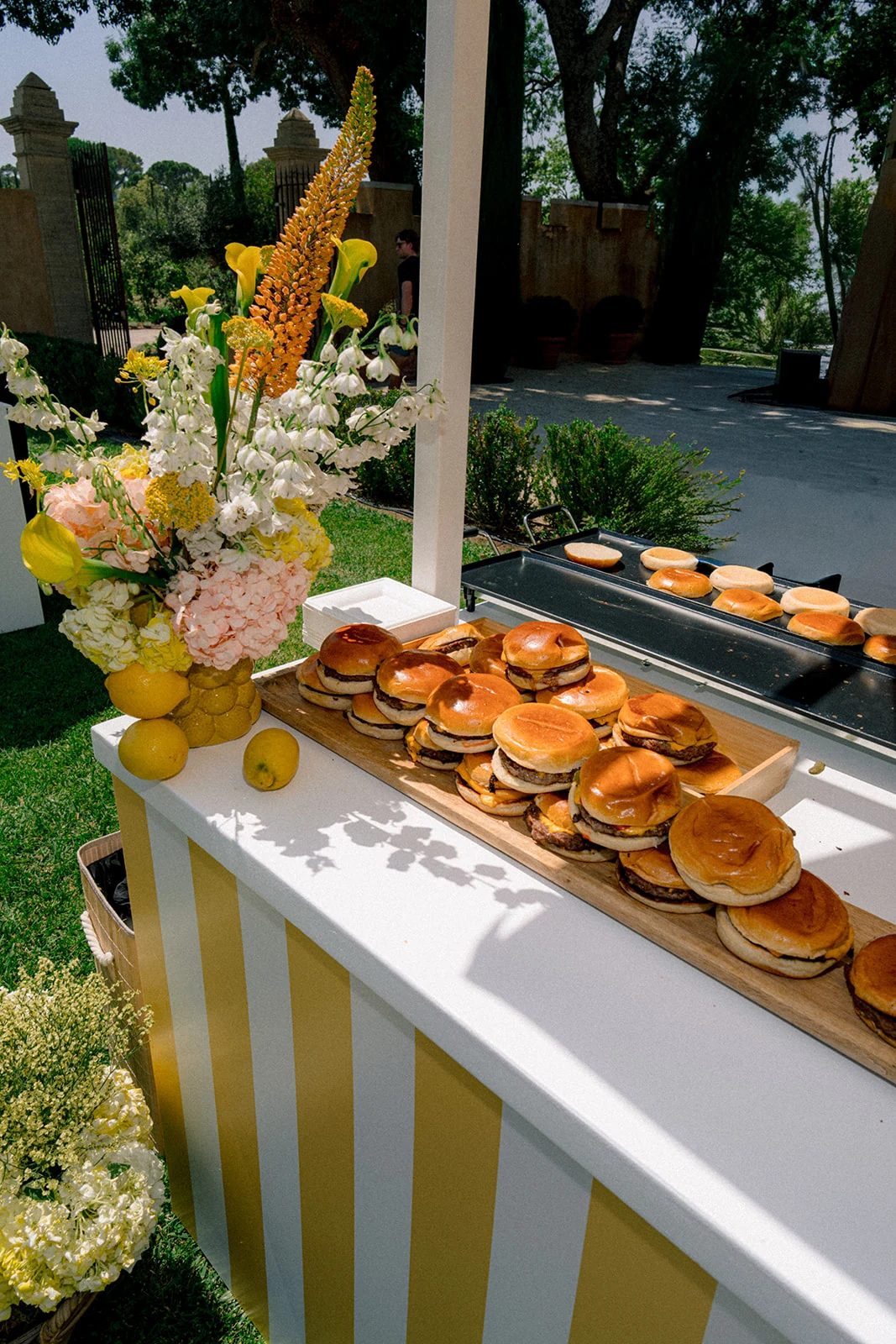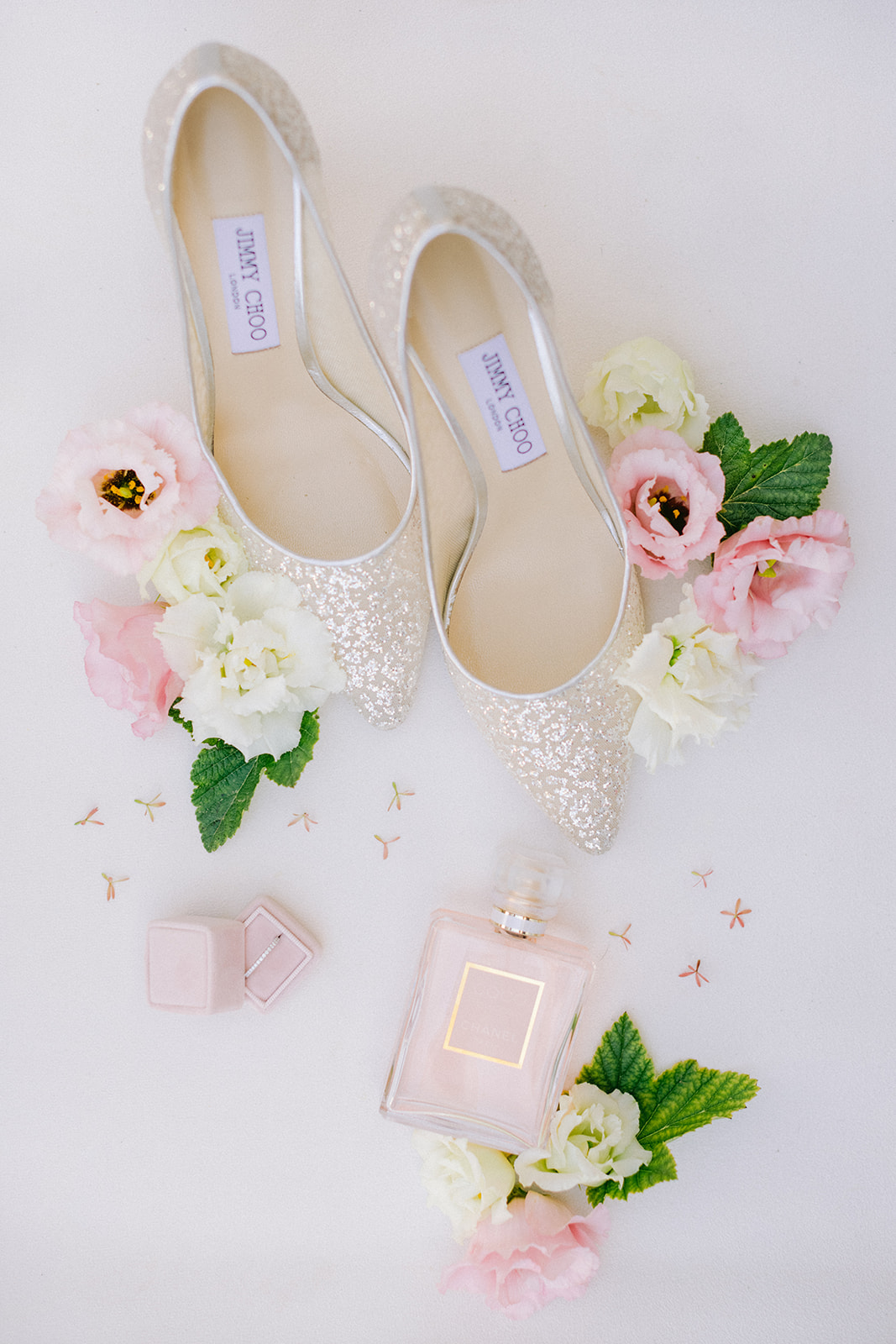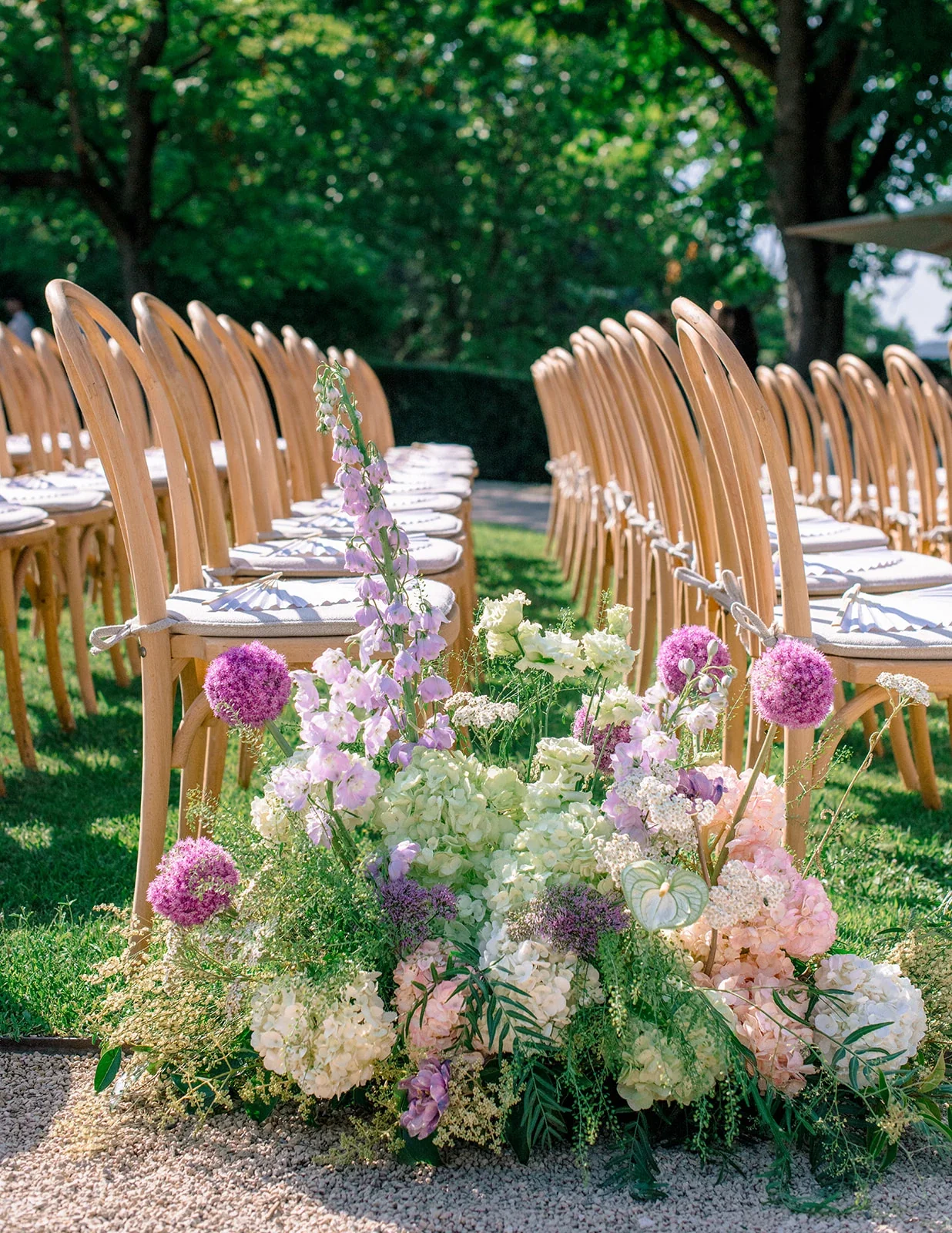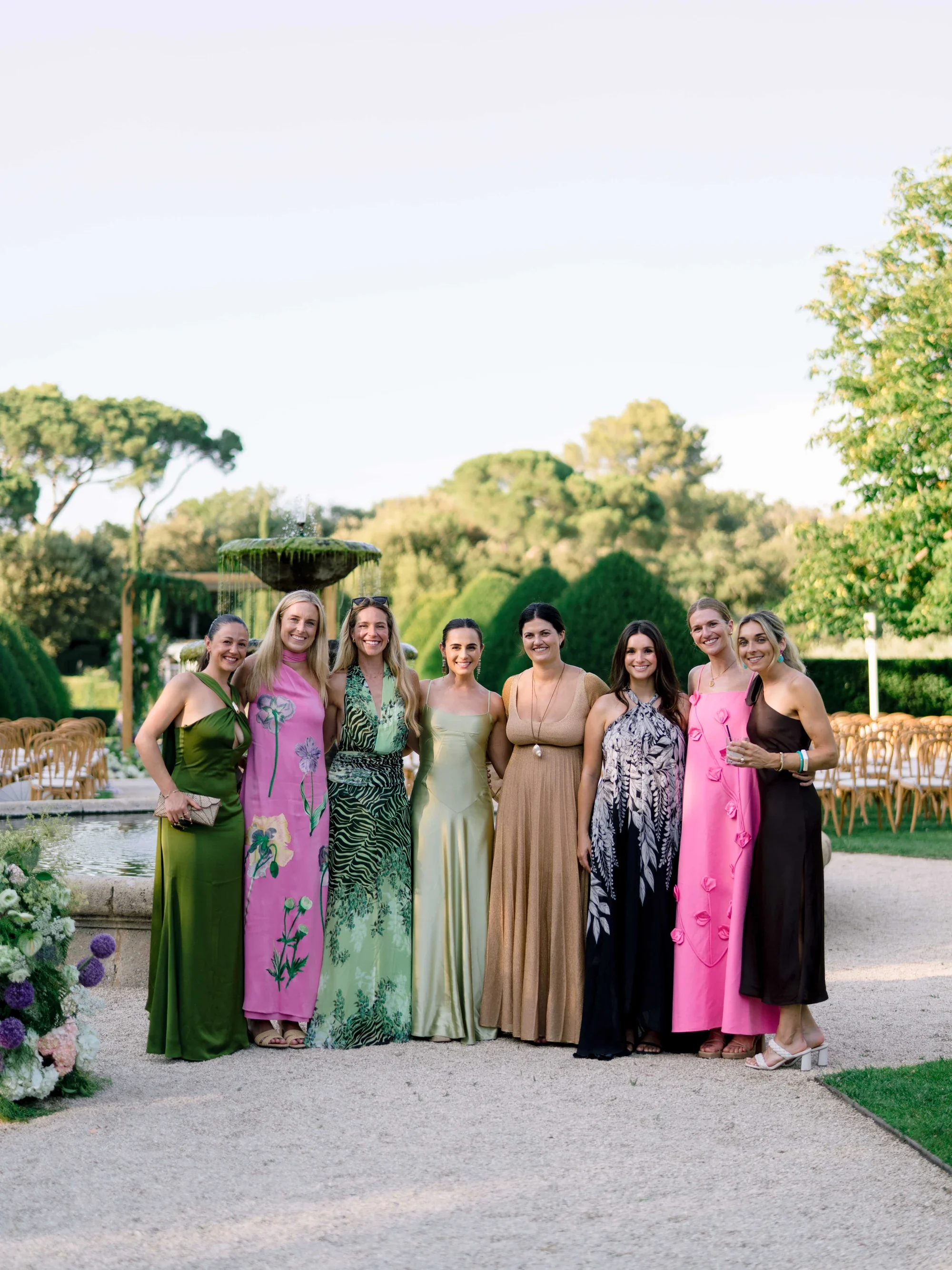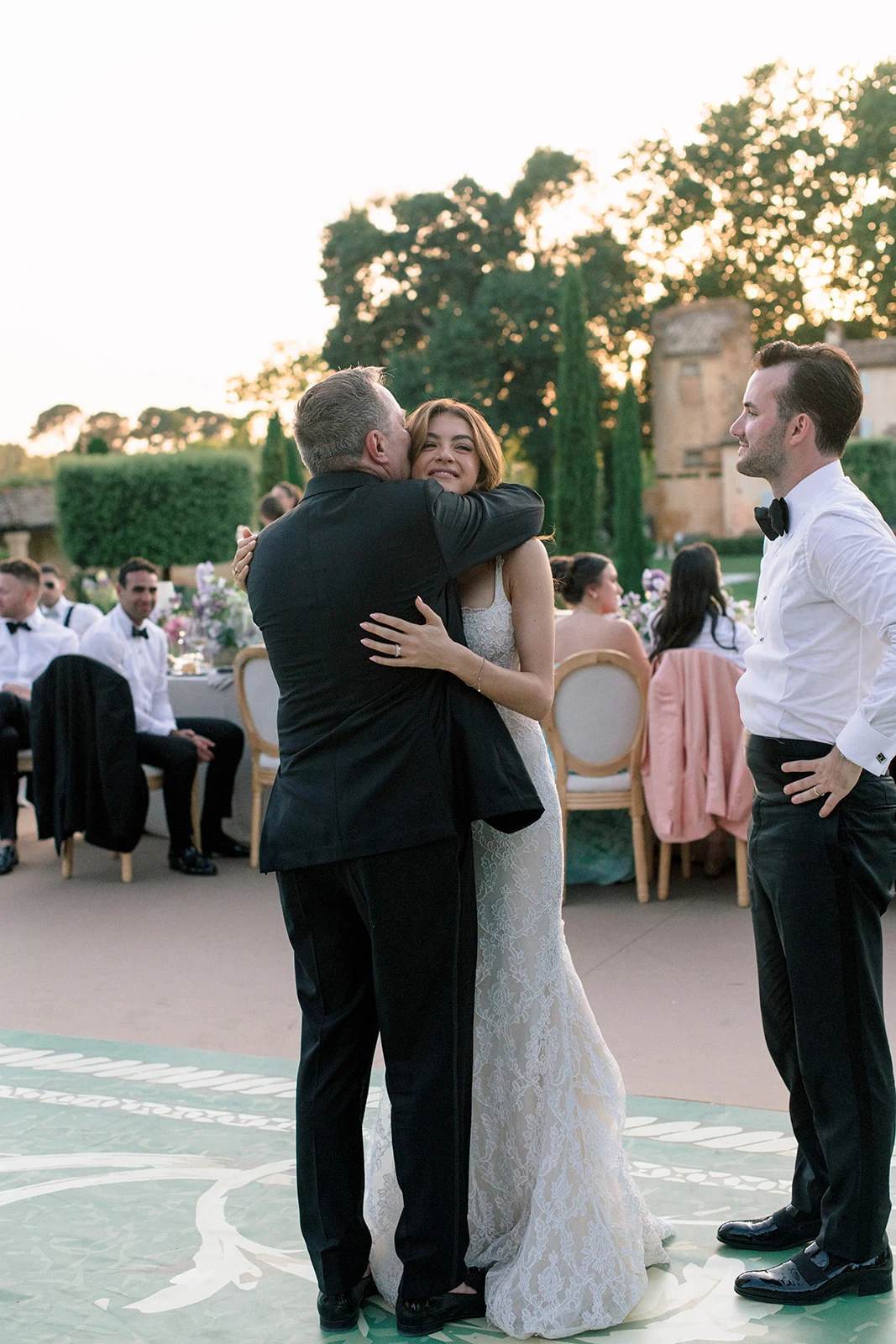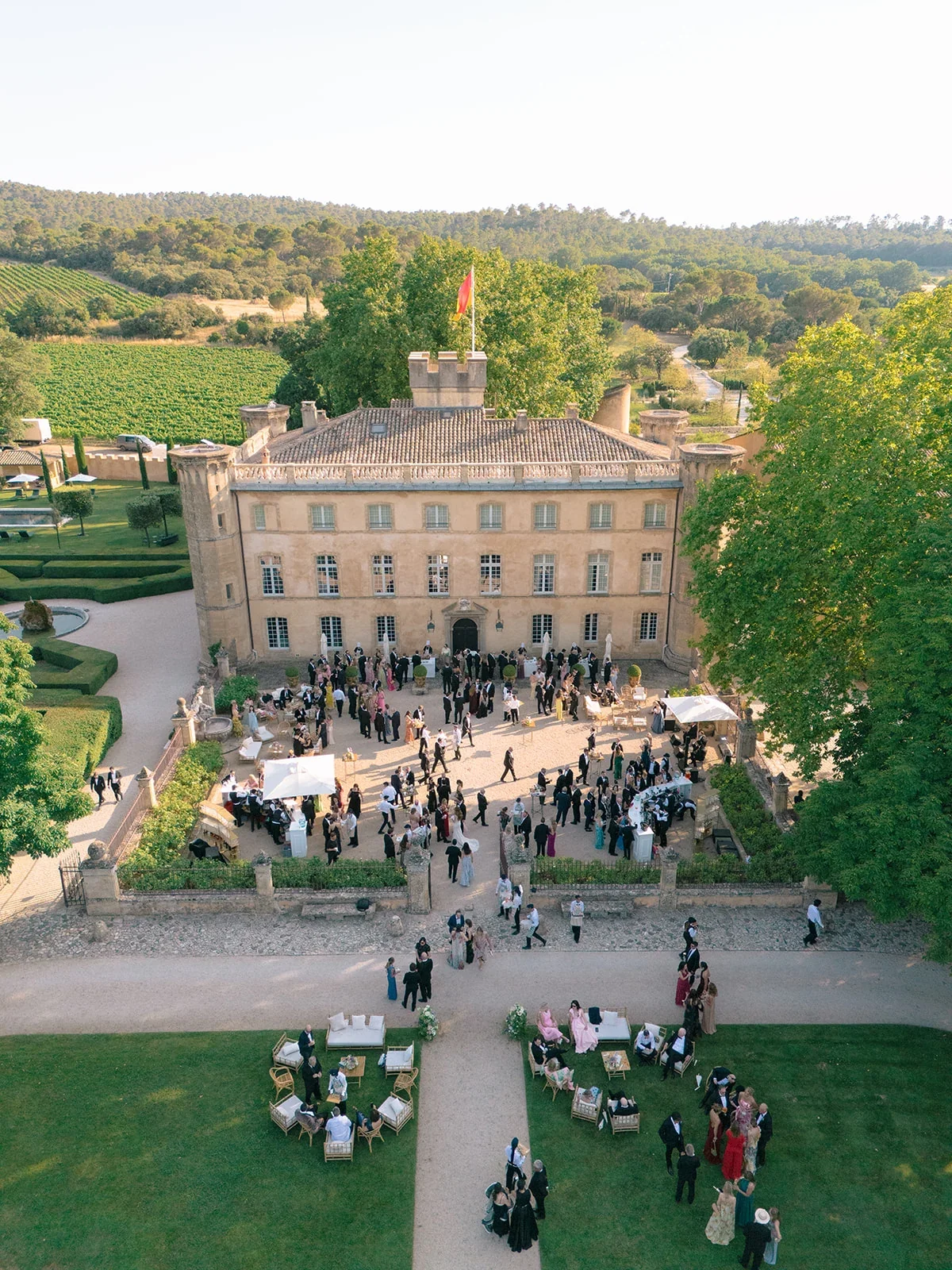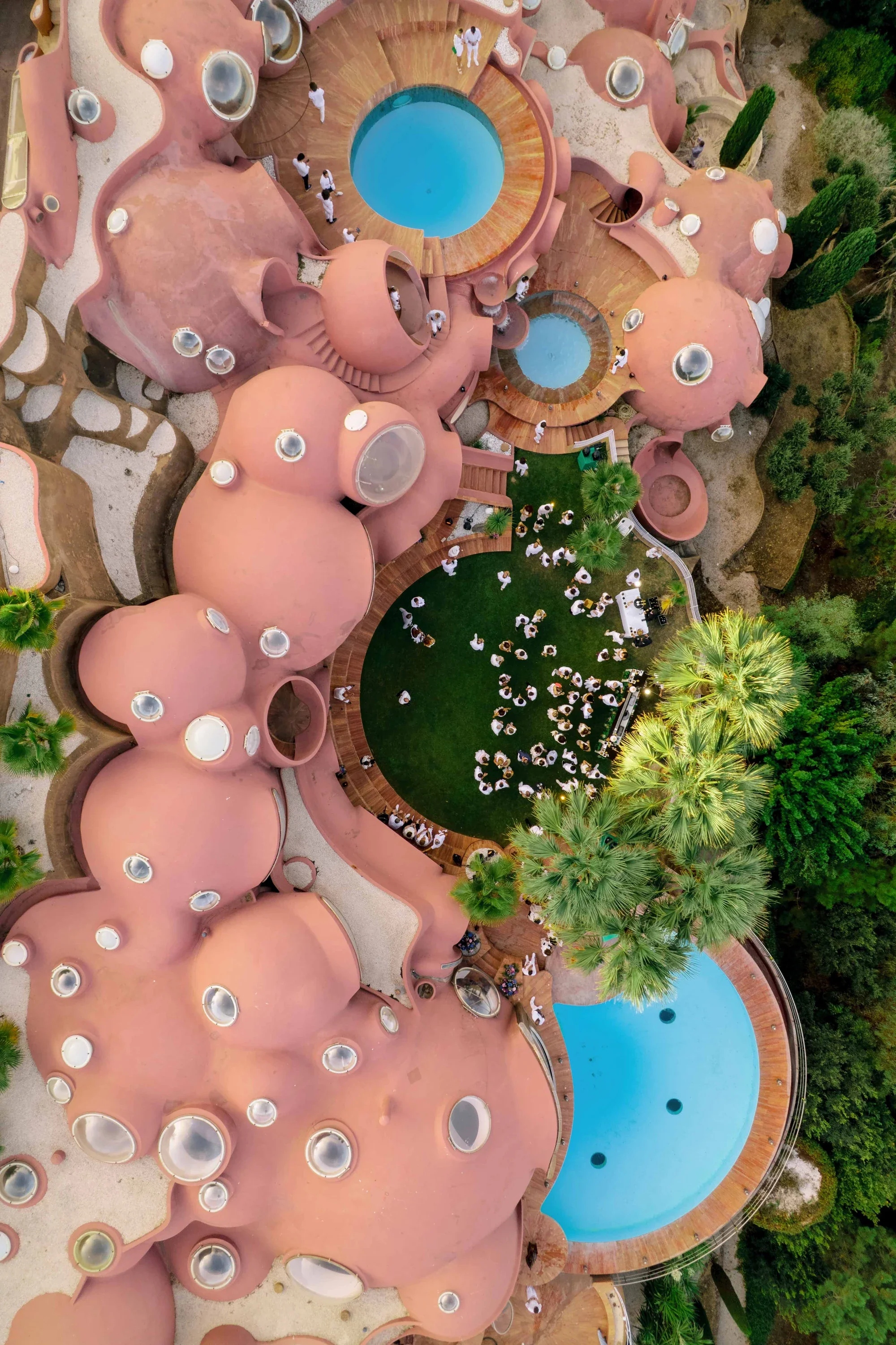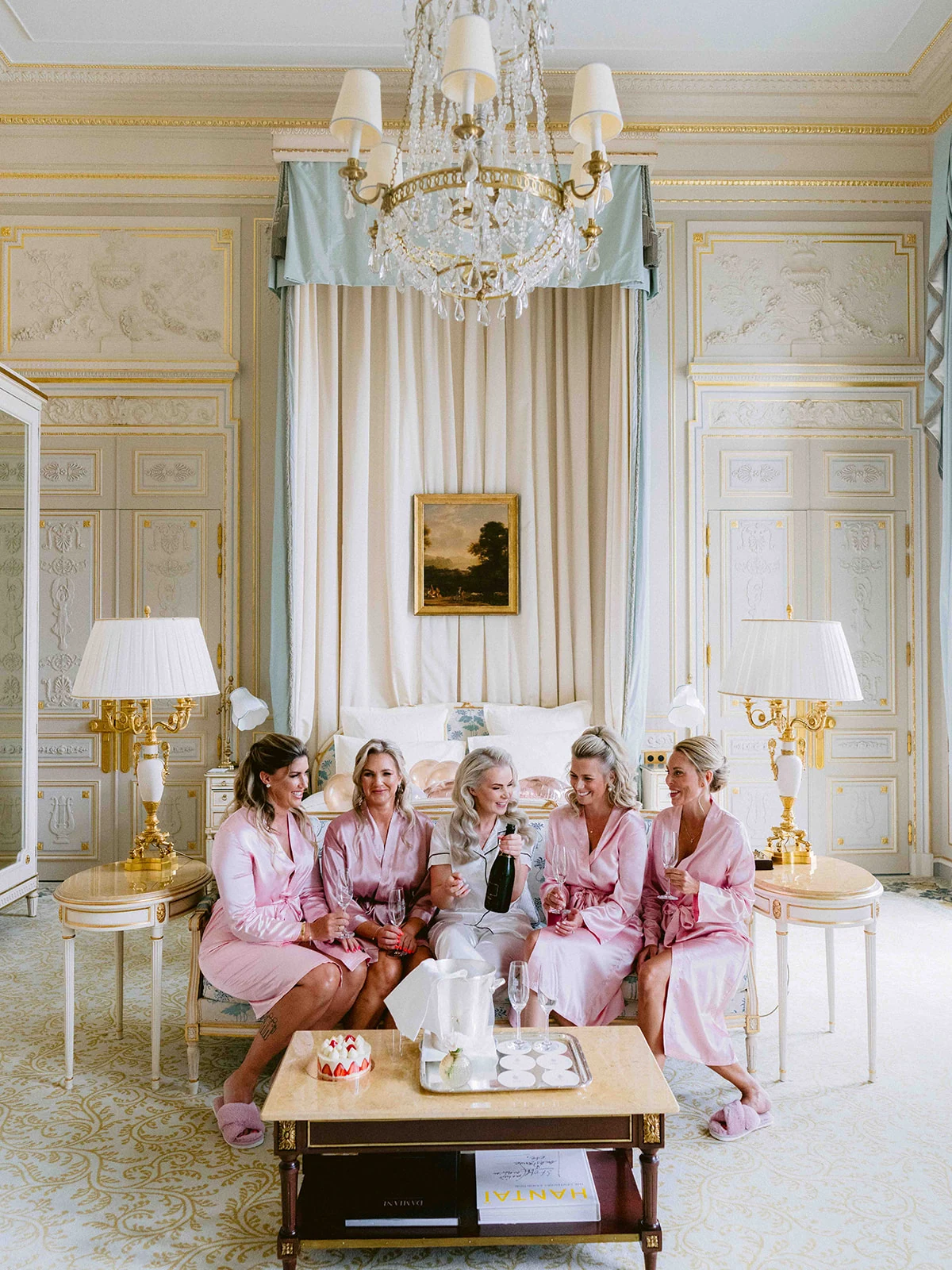
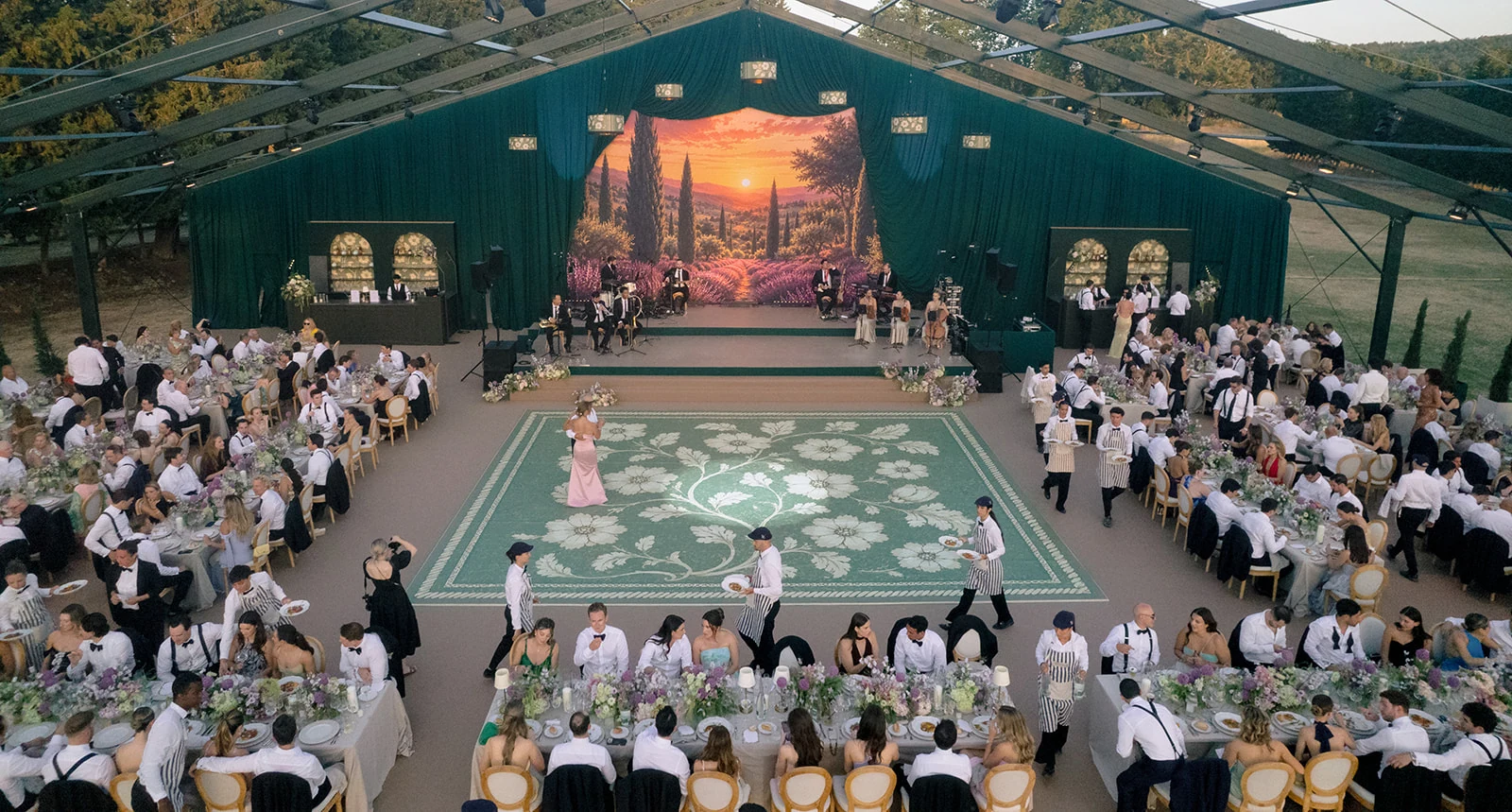
Outdoor dinner during a multi-day destination wedding in France

Design the complete destination experience

How to Plan a Multi-Day Wedding in France

Build the weekend
Welcome · Wedding · After-party · Brunch
Scroll

01 — A multi-day wedding needs a narrative

More events do not create more meaning.
A clear rhythm does.

A destination wedding should give guests time to arrive, connect, celebrate and leave without turning every hour into programmed entertainment.

The strongest multi-day weddings use each event for a different purpose. The welcome gathering opens the destination. The wedding day carries the emotional and visual peak. The final event lowers the pace and lets people reconnect before departure.

This guide explains how to build that rhythm, coordinate guests and vendors, protect the budget and create one visual story across several days.

01

The three-act structure

Give every event a specific job
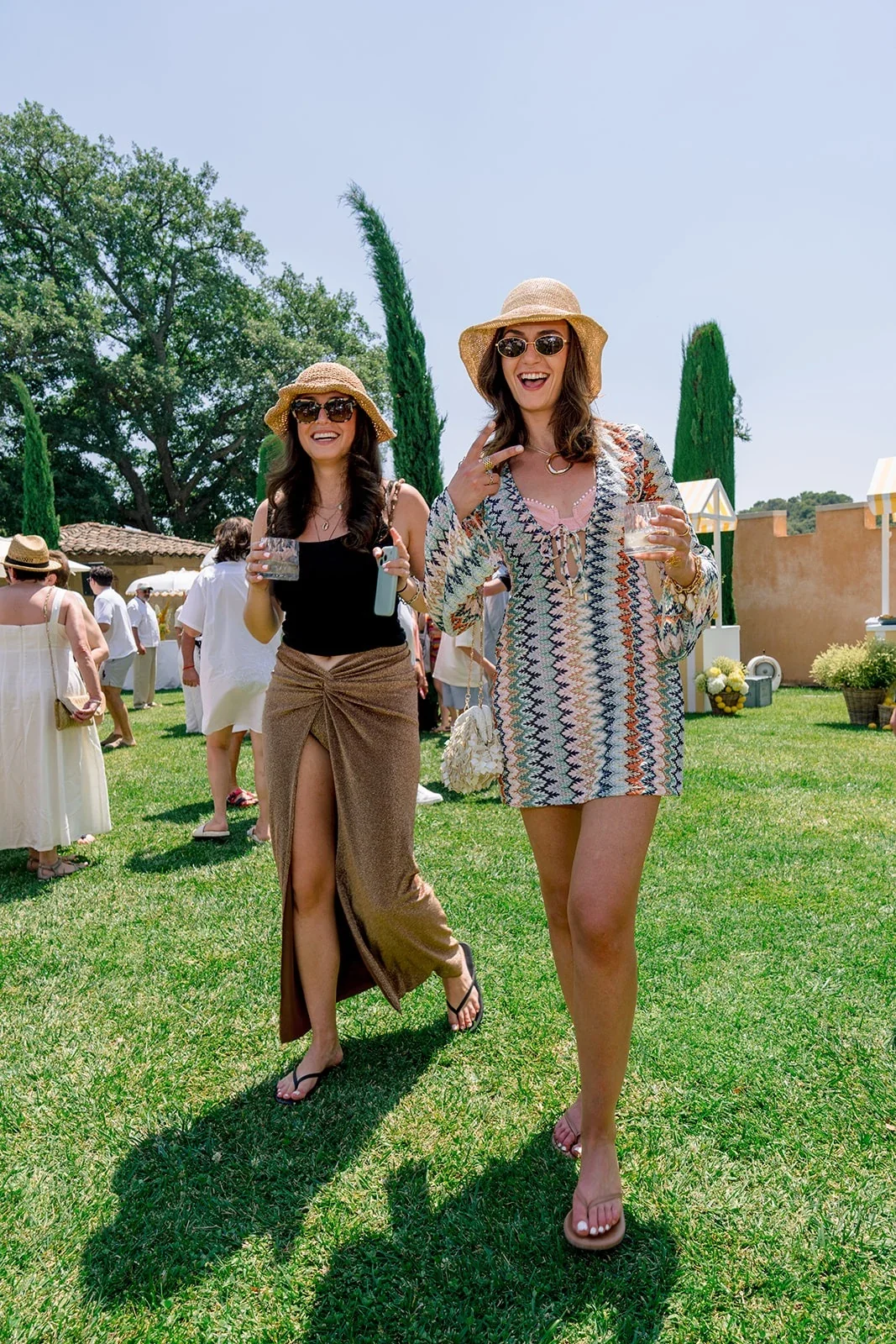
Act one: arrival and connection

The opening event helps guests move from travel into the celebration. It should make introductions easy, communicate the destination and give people practical orientation without competing with the wedding day.

Act two: the wedding

The wedding day carries the greatest emotional and production intensity. Protect it from unnecessary travel, over-programming and events that repeat what already happened the night before.

Act three: release and departure

A brunch, beach lunch or pool gathering gives the weekend a natural close. The format should be flexible enough for tired guests and practical enough for a team that worked late.

Not every guest needs every event

A civil ceremony or family dinner can remain intimate. The opening and final events can include the full guest list or different groups. State invitations clearly so no one has to infer which events they are expected to attend.
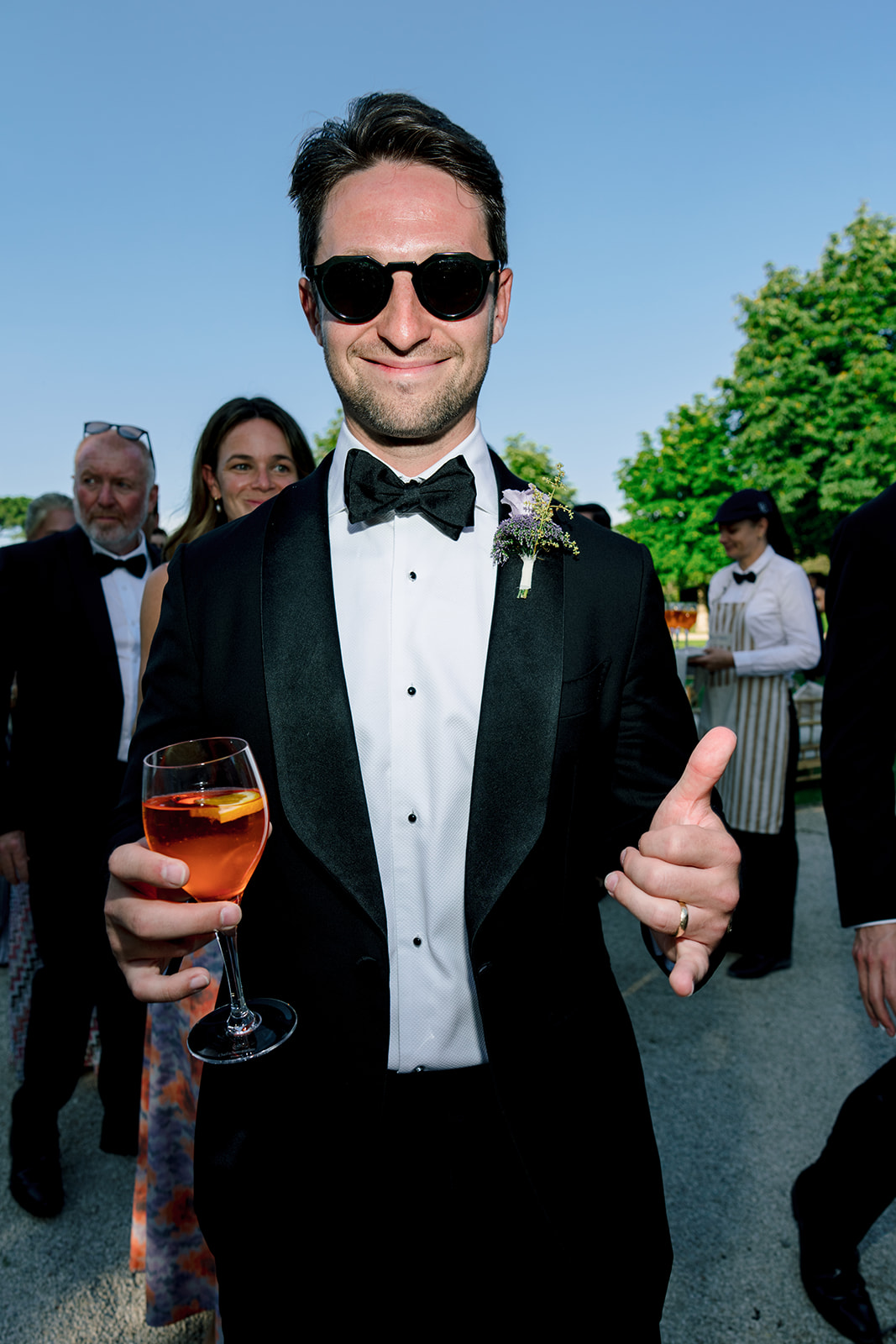
02 — The opening

“Guests arrive as travelers.
They should leave as one group.
02

The opening event

Create a welcome event that changes the temperature

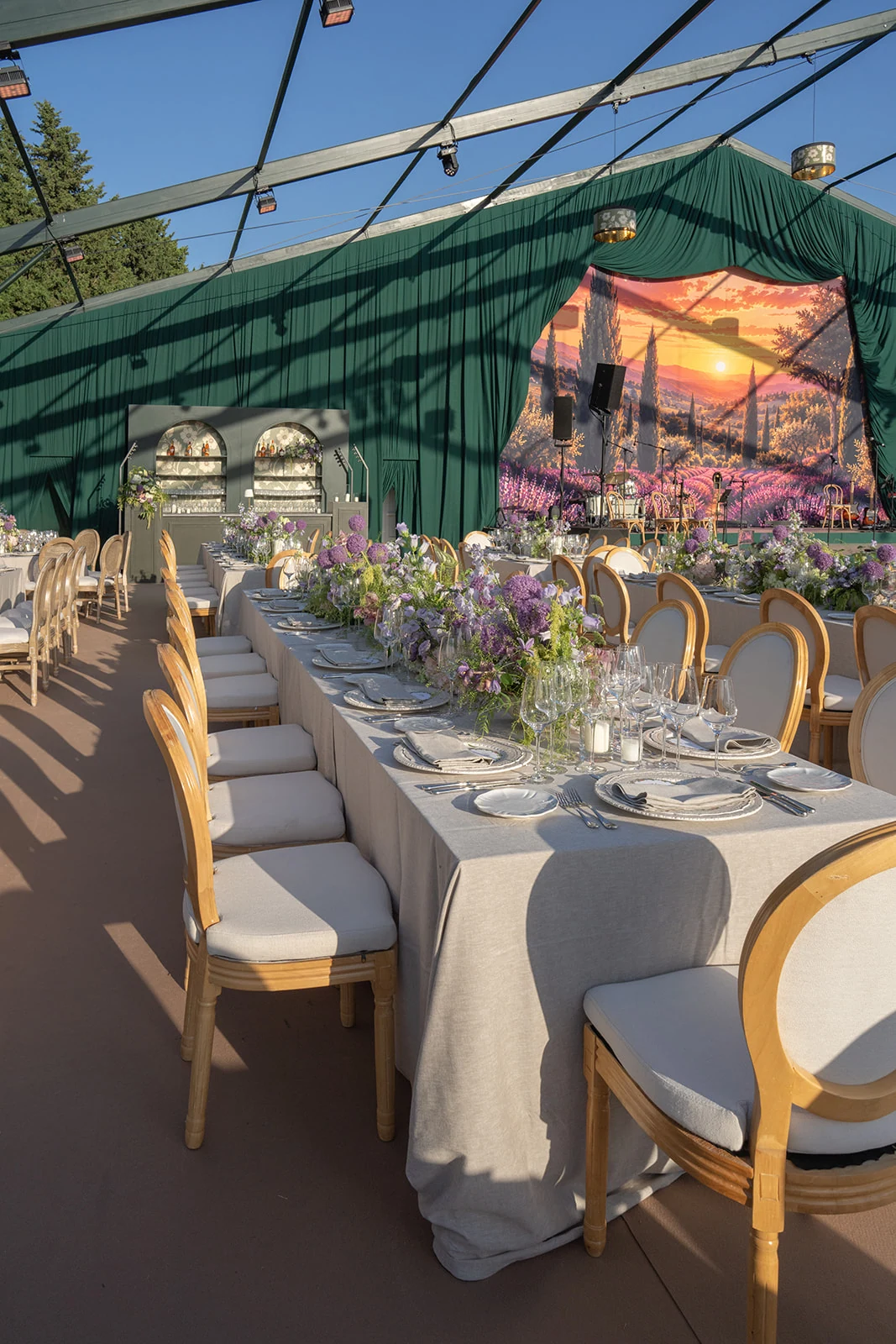
The welcome event should feel easier than the wedding day but still intentional. It is the moment guests learn the social structure of the weekend, meet the planner’s team and understand how the destination will function.

Choose a different visual language

If the wedding is black tie, the welcome event can be resort, cocktail or fashion-forward. If the wedding takes place at a Provence estate, the opening may use a pool, courtyard or local restaurant rather than the main ceremony setting.

Keep speeches controlled

A few meaningful remarks can open the weekend. A full program of speeches can exhaust guests and reduce the emotional impact of the wedding dinner. Decide which stories belong on which day.

Make transportation obvious

The first event establishes trust. Pickup points, departure times and the return plan should be simple. Guests who feel lost on night one will approach the rest of the weekend with more anxiety.

03

Optional middle chapters

Use the civil ceremony or rehearsal with intention

A French civil ceremony, rehearsal or family dinner can become a separate visual chapter rather than a logistical obligation. The event should remain proportionate to its purpose.

Civil ceremony

When the couple is legally eligible to marry at a French mairie, the civil ceremony may happen before the main wedding day. Capacity and timing are controlled by the municipality. Some couples invite only close family and witnesses, then include all guests in the symbolic ceremony.

Rehearsal

A rehearsal is useful when the ceremony includes many participants, cultural elements or complex entrances. It does not need to become another full-scale hosted event unless that is part of the plan.

Private family dinner

For a large wedding, a smaller dinner can protect time with immediate family before the main celebration. Keep communication clear so other guests understand the weekend schedule.

04

The central day

Protect the wedding day from the rest of the weekend

Bridal portrait during preparations at Villa Baulieu
Preparations
Bride and groom during their wedding ceremony in Provence
Ceremony
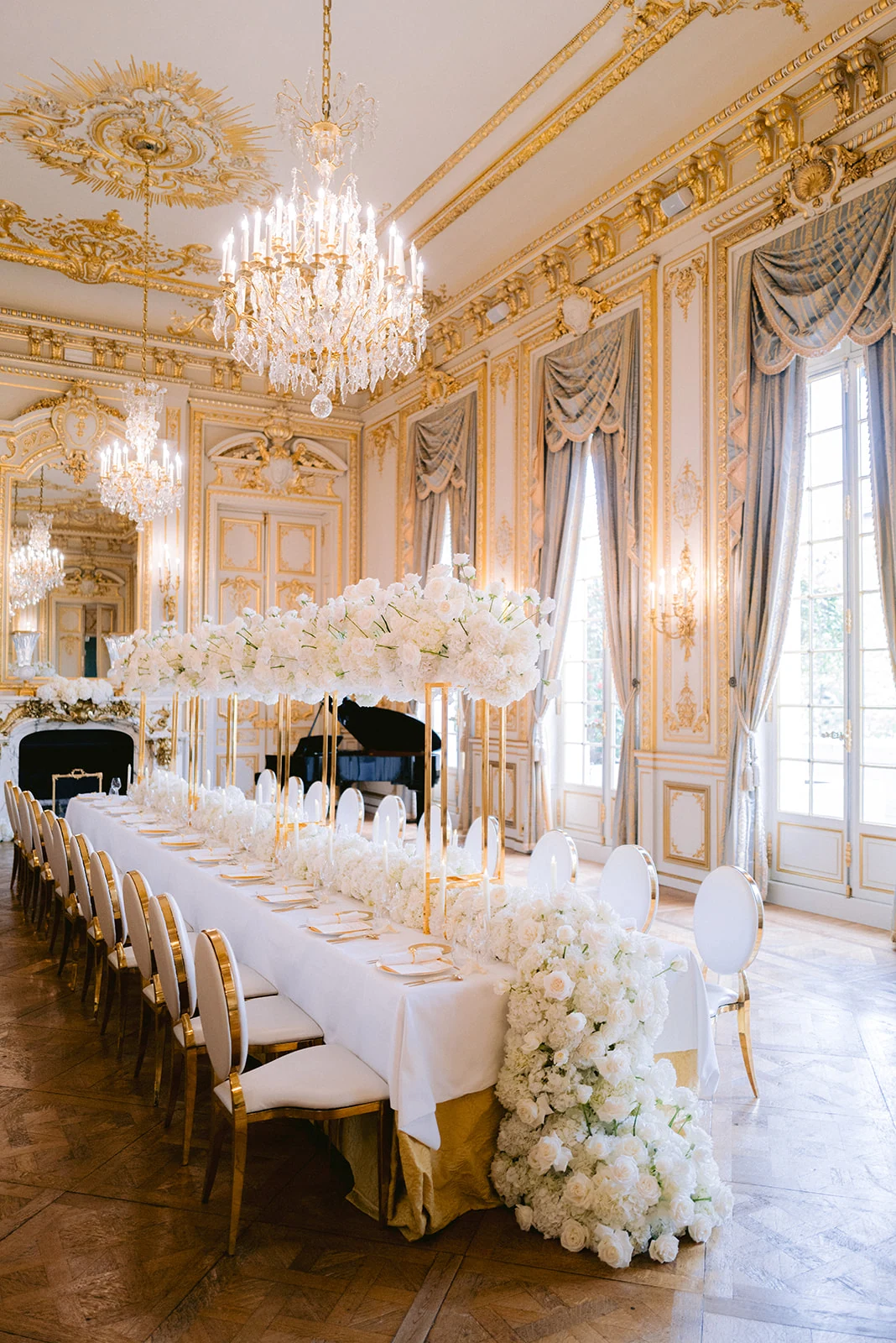
Wedding reception setting at Villa Baulieu in Provence
Dinner
Guests celebrating during a Villa Baulieu wedding weekend
Party

The wedding day should not be used to compensate for everything that did not happen earlier. Guests have already connected. The couple does not need to greet every person during preparations or create long portrait routes to prove the destination.

Build one clear movement pattern

Preparations, ceremony, cocktail, dinner and dancing should progress naturally. If the wedding uses several locations, group them geographically and transport guests professionally.

Create breathing room without empty time

The couple needs transition time, the venue needs room resets and guests need moments that are not announced from a microphone. A schedule can be precise without feeling mechanical.

Control speeches and service

Dinner frequently becomes the longest part of the day. Coordinate courses, speeches, entertainment and sunset portraits so they do not interrupt one another. Assign one person to control the microphone and final sequence.

Plan the energy change

The transition from dinner into dancing should be designed. Lighting, music, room access and bar placement determine whether the party rises naturally or stalls.

05

Late-night continuation

Treat the after-party as a new room, not extra hours

An after-party works when the visual and musical environment changes. Moving into a smaller room, changing the light, opening a late-night bar or introducing a second look can signal that the formal wedding has ended and a different event has begun.

Check the venue rules before designing it

Music cutoff, sound limits, outdoor restrictions and staff overtime determine what is possible. A beautiful venue with an early curfew may require a separate licensed location for the after-party.

Plan transportation in waves

Not every guest will stay. Offer an earlier departure after dinner or initial dancing and a final controlled departure for the remaining group. Avoid a single bus that forces everyone into the same end time.

Protect the photography transition

The photographer should know when lighting, wardrobe or location changes. Direct flash, movement and closer framing can give the after-party a distinct identity while preserving continuity with the wedding.

06

The final gathering

End with less structure and more access

The final event should be easy to enter and easy to leave. Guests may have different departure times, and the couple may be operating on very little sleep. A flexible window is often more effective than another formal start.

Brunch

Brunch works well at a hotel or estate where guests are already staying. Use informal seating, reliable food service and a clear closing time. Avoid a second full program of speeches.

Pool party or beach event

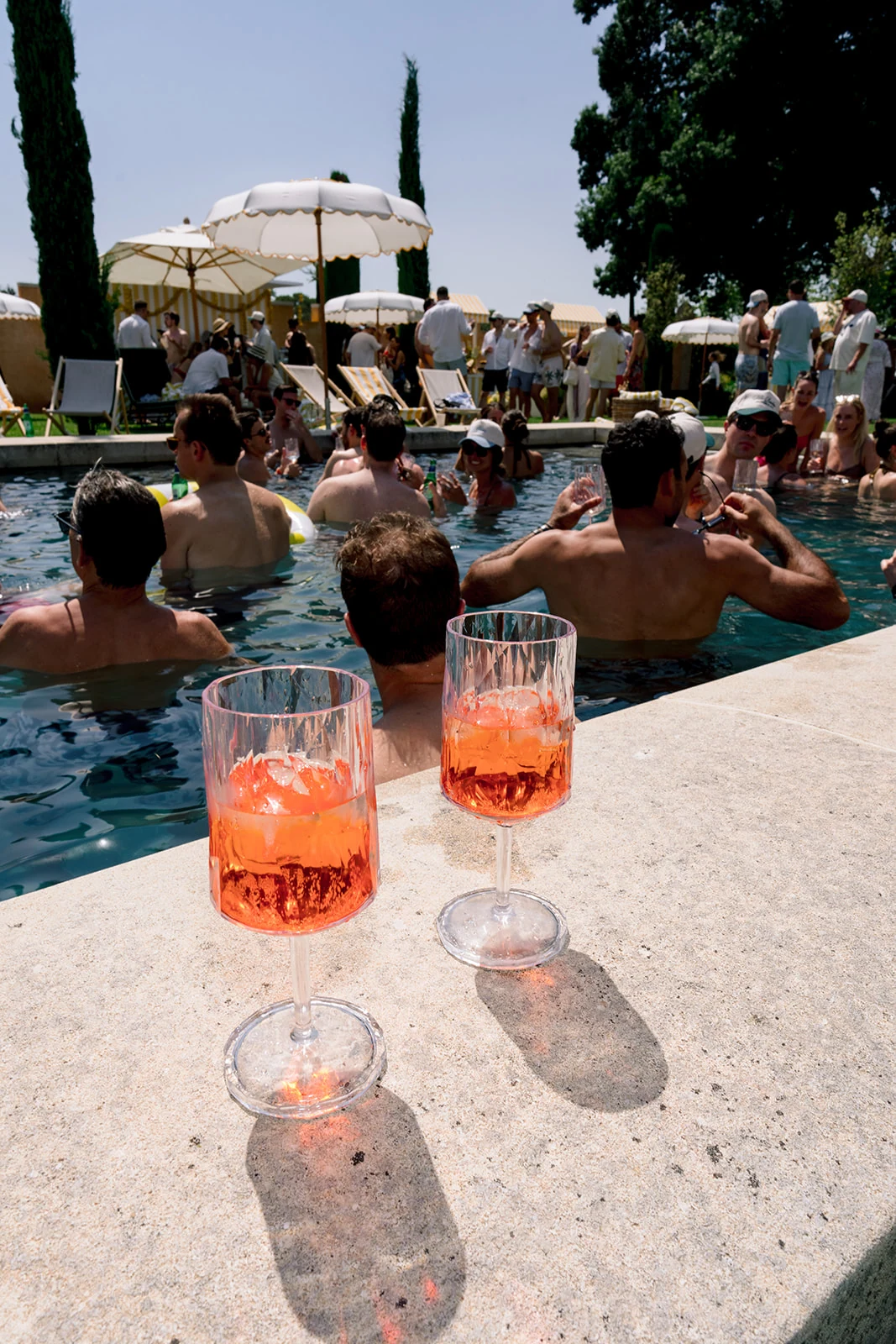
This format creates a strong visual contrast with a formal wedding, but it requires shade, towels, changing access, sound, food, water safety and a weather alternative.

Departure support

Guests should know where luggage can be stored and how to reach airports or stations. The final event should not make departure more difficult.

07

Guest communication

One weekend needs one source of truth

Wedding stationery and schedule details for a destination weekend
Wedding website
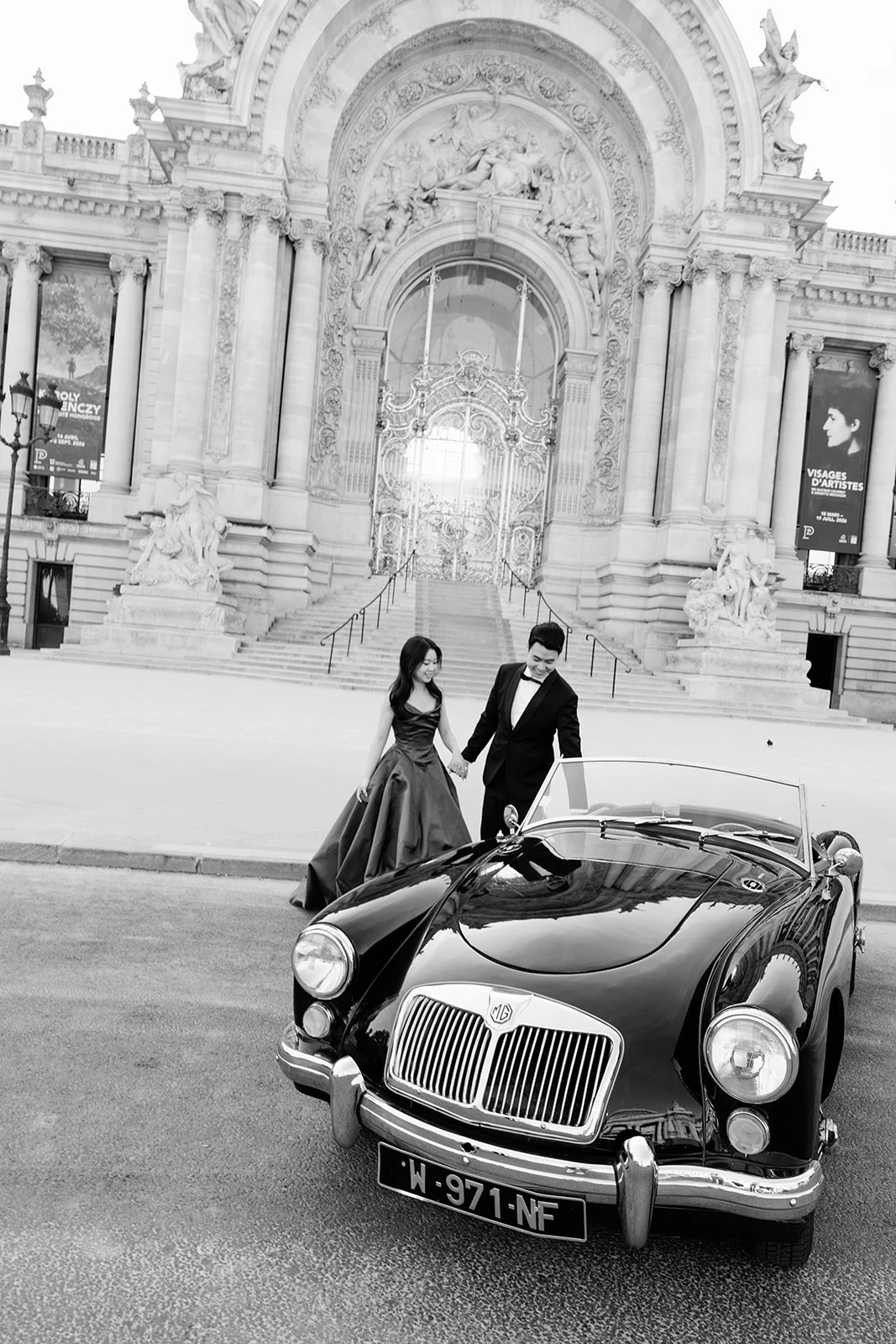
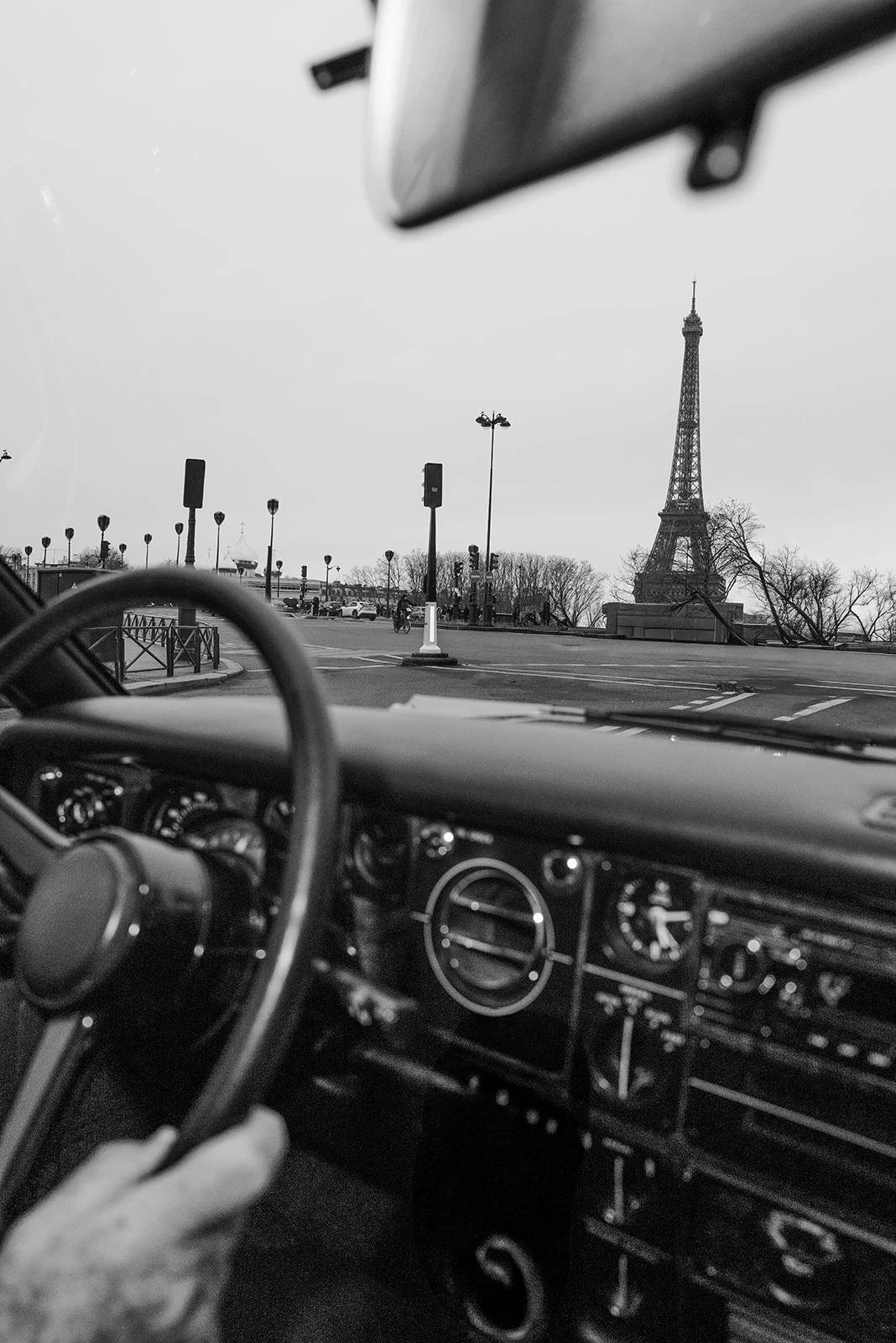
Vintage convertible used for transportation during a Paris celebration
Transportation
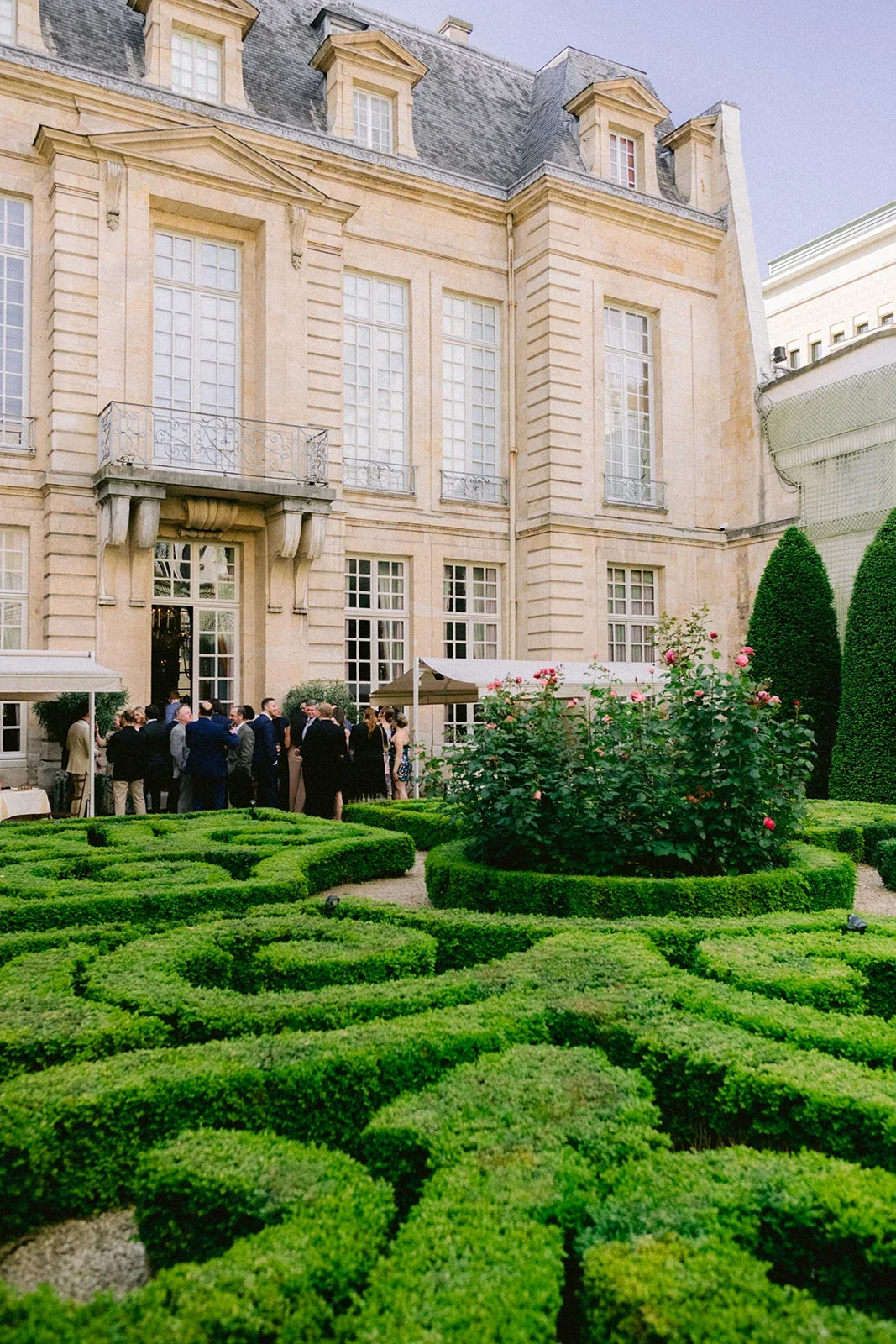
Guests gathering in the Ritz Paris garden for a wedding cocktail
Accommodation
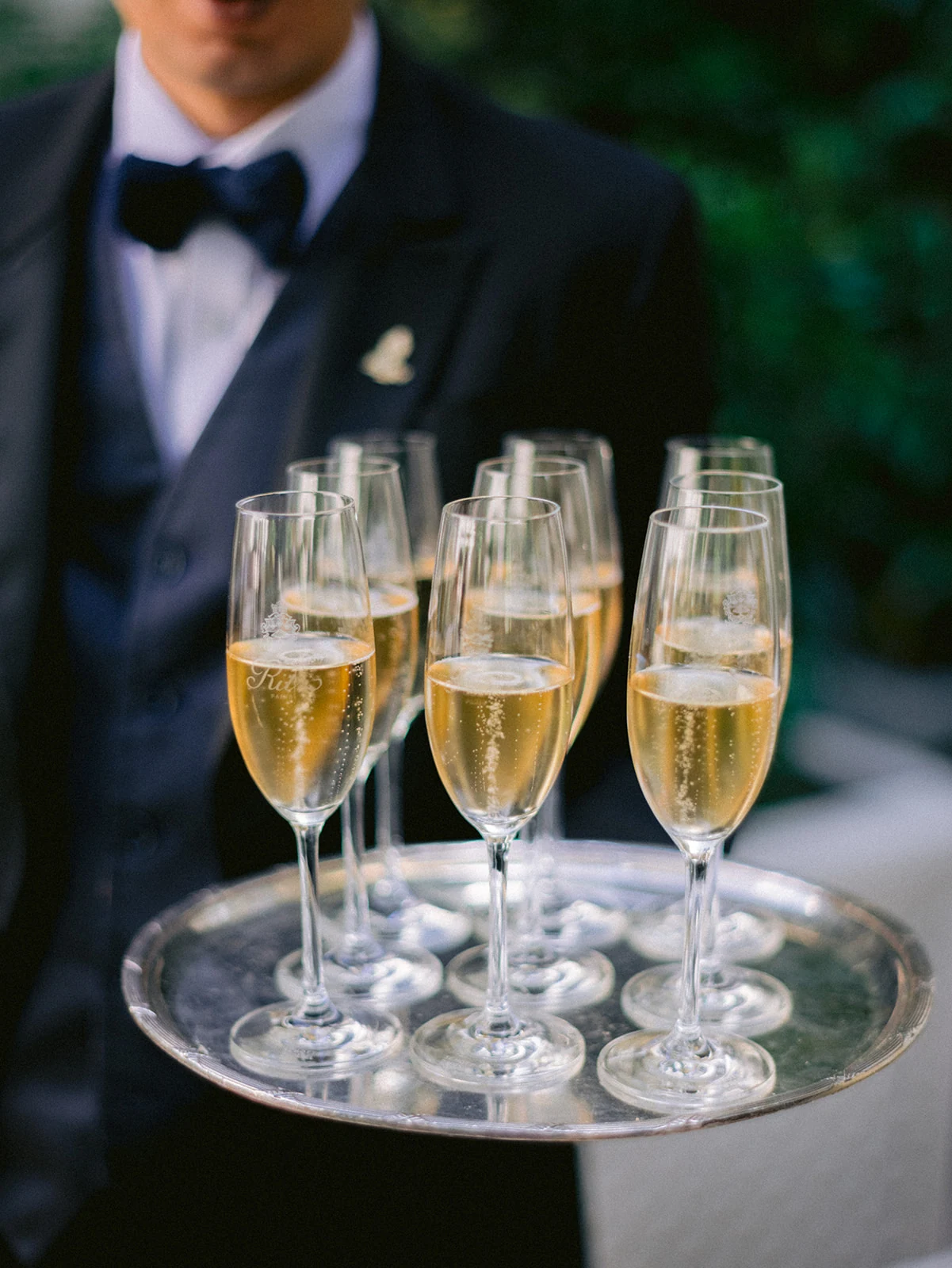
Champagne glasses prepared for a Ritz Paris wedding cocktail
Host team

The wedding website should carry the current schedule, addresses, attire, transportation and accommodation information. Avoid sending critical changes through several family group chats.

Create event-level invitations

List who is invited to each event, the exact start time, transport plan and dress code. Use names that are easy to understand, such as “Welcome Dinner” rather than an internal creative concept that guests may not recognize.

Build a transport matrix

Map every movement: airport to hotel, hotel to welcome event, wedding-day departures, early returns, final returns and the post-wedding event. Include vendor transportation where the venue is remote.

Provide a local contact

The couple should not answer lost-guest messages on the wedding day. Assign a planner, concierge or transportation contact and publish the number clearly.

Manage luggage and check-in gaps

International arrivals may occur before hotel check-in. The welcome plan should explain luggage storage and where guests can wait comfortably.

08

Visual continuity

Connect the events without repeating them

A multi-day wedding needs continuity, but repeating the same flowers, colors and dress code can make the weekend feel flat. Build one creative world with several expressions.

Repeat principles, not complete designs

Typography, paper, materials or one recurring color can connect the events. Scale, lighting and styling can then change. The welcome event may be bright and social; the wedding may be architectural and formal; the final event may be almost unstyled.

Use the destination differently each day

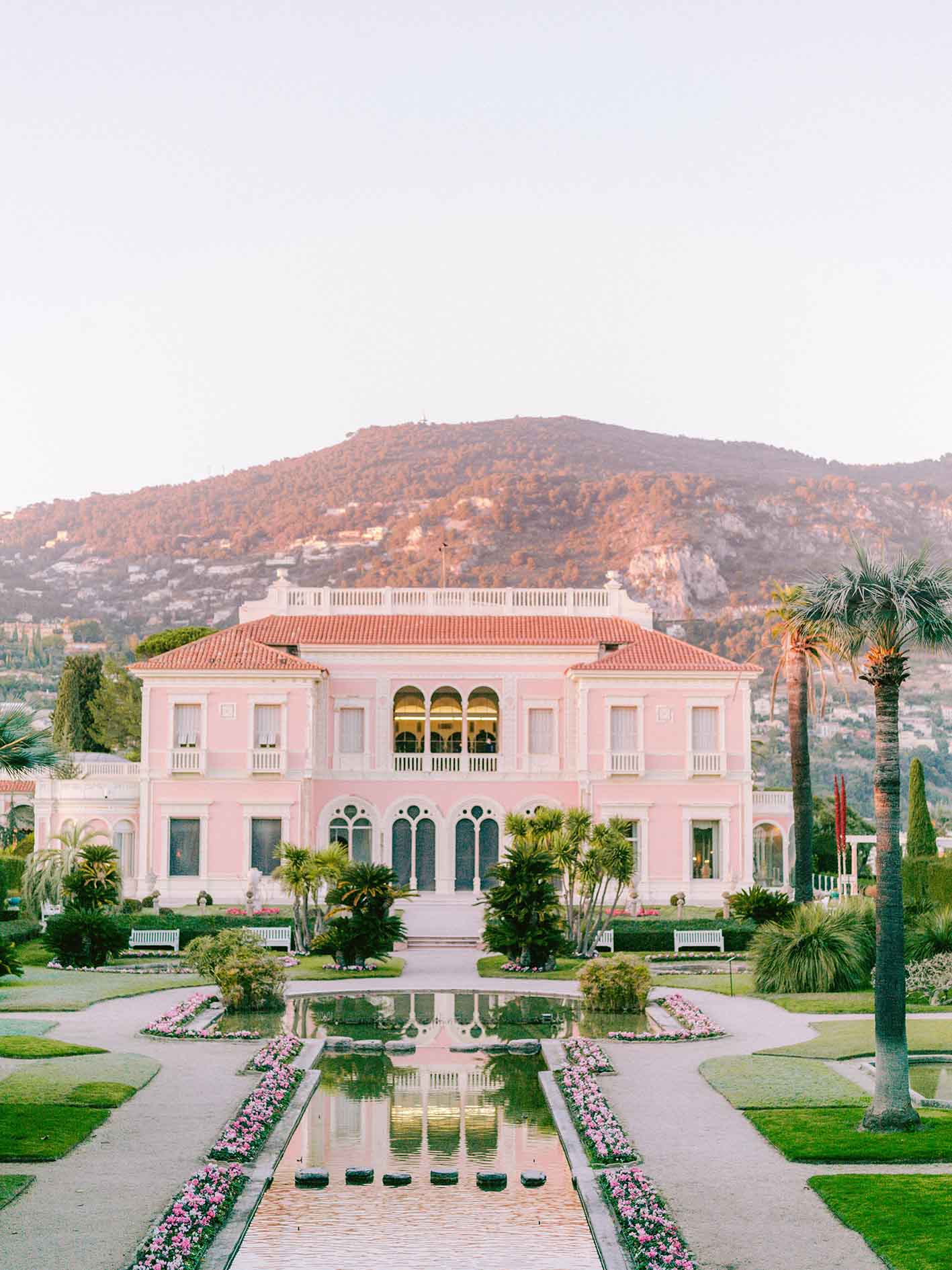
In Paris, use a restaurant, palace and private terrace rather than repeating one ballroom. In Provence, move between the pool, gardens, courtyard and main house. On the Riviera, contrast sunset, sea and night.

Wardrobe supports the narrative

Distinct dress codes help guests understand each event. They also produce a richer photographic story. Keep instructions precise enough to guide without requiring guests to purchase several highly specific outfits.

09

Budget and production

Every extra event adds operations, not only hospitality

EventPrimary costsCommonly missed costs
Welcome eventVenue, catering, bar, music, design.Transport, setup day, sound, staff overtime.
Civil or rehearsal eventLocation, celebrant or municipality logistics, hospitality.Separate beauty, photography hours, cars, permits.
Wedding dayComplete venue, catering, design, entertainment, photo and film.Vendor meals, power, security, room turns, late-night staffing.
After-partySpace, DJ, bar, lighting, late food.Sound restrictions, overtime, transport waves, cleanup.
Brunch or pool eventFood, beverage, location, furniture.Shade, towels, safety, luggage, departure transfers.

Use one production calendar

Several events may share rentals, florals, sound or staff. The planner should control setup, storage, resets and removal across the complete weekend.

Contract the correct number of days

Do not assume a vendor can extend after the wedding is booked. Photography, beauty, transportation and entertainment need event-specific coverage, staffing and overtime terms.

10

One complete visual story

Photograph relationships before the wedding day begins

The greatest value of multi-day photography is not simply more images. It is familiarity. By the wedding day, the photographer recognizes family groups, friendships and the energy of the guests. People also understand the photographer’s presence and behave more naturally.

Give every event a visual purpose

The welcome event establishes the destination and social world. The civil ceremony can feel intimate and architectural. The wedding day carries the complete emotional arc. The after-party becomes closer, faster and more instinctive.

Plan coverage around meaningful duration

Not every event needs ten hours. A focused two- or three-hour welcome event may be enough to capture arrivals, design, greetings, dinner atmosphere and the opening energy. Coverage should follow the event structure.

Keep the editing coherent

Different events can use different light and techniques while remaining part of one final gallery. Natural light, black and white, direct flash and architectural composition should respond to the moment rather than appear as disconnected trends.

Explore destination wedding photography in France, my work as a Paris wedding photographer, or the broader guide to planning a wedding in France from abroad.

11

A practical example

A three-day wedding weekend in France

Thursday or Friday: arrivals and welcome event

Afternoon guest arrivals, hotel check-in and a clear transportation window. Welcome cocktails begin early enough for guests traveling that day. Dinner or an opening party ends at a controlled time.

Wedding day

Preparations remain private and calm. Ceremony, cocktail hour, dinner and party progress without unnecessary travel. An after-party follows only when the venue, sound and transportation structure support it.

Final day

A flexible brunch or pool gathering opens late enough for recovery and closes early enough for departures. Luggage storage and transport are coordinated.

Optional fourth day

For very large international celebrations, a private family event or destination activity can sit before the welcome event. Keep it optional and avoid asking every guest to commit to four fully programmed days.

12 — Frequently asked questions

Multi-day weddings in France:
the essential questions.

The number of events matters less than the clarity of the guest experience.

How many days should a destination wedding in France last?

Three days is a strong format: a welcome event, the wedding day and a final brunch or pool gathering. A civil ceremony or family event can create an additional chapter when it has a clear purpose.

Should every guest attend every event?

No. Some civil, rehearsal or family events can remain intimate. Invitations and the wedding website should state clearly who is invited to each gathering.

How much more does a multi-day wedding cost?

The increase depends on guest count, venue, transport, production and whether events share infrastructure. Each additional event adds staffing, setup, catering and logistics, not only food and drinks.

Do we need the same photographer for every day?

Using one photographer creates continuity and familiarity. Coverage length can vary by event, with shorter focused coverage for the welcome or brunch and complete coverage for the wedding day.

How do we keep events from feeling repetitive?

Give each event a different setting, dress code, pace and purpose while repeating a few design principles such as typography, material or one color.

What is the best final event?

Choose the event that fits the venue and guest departures. Hotel brunches are efficient, estate pool parties are immersive and coastal lunches can extend the destination experience.

How far ahead should we plan a multi-day wedding?

Begin 12 to 18 months ahead for high-demand venues and weekends. Multi-day schedules require earlier room blocks, transport and vendor availability than a single-day wedding.

One destination.
Several chapters, one complete story.

Planning a multi-day wedding in France

Created for those who
notice everything.

Start the conversation

Paris · Provence · French Riviera · Worldwide
jeremy@photosmariage.fr · +33 6 38 55 38 08