Region and event format
Choose Paris, Provence, the French Riviera or another part of France, then define the approximate guest count and whether you are planning one wedding day or a multi-day celebration.

01 — The essential framework
A practical guide for couples planning from the United States, Canada, the United Kingdom, Asia or anywhere else in the world.
Start with five decisions: choose the region, define the guest count and whether the celebration will take place over one day or several, hire a planner who understands international weddings, secure the venue and date, and decide whether the legal marriage will take place in France or in your home country. For a sought-after venue or peak-season weekend, beginning around 12 to 18 months ahead is a practical benchmark. Once the venue is confirmed, build accommodation, transportation, vendors, production and photography around the real logistics of that location.
A wedding in France can feel effortless on the day while involving a highly coordinated process behind the scenes. The region, venue, guest journey, legal ceremony, vendor team, transportation, production and photography all affect one another. The strongest celebrations are not simply beautiful; they are designed around how people will move, gather and experience the destination from arrival to departure.
This guide is written from the perspective of a wedding photographer who has documented more than 150 celebrations, including palace weddings in Paris, private estates in Provence, events on the French Riviera and multi-day destination weddings for international couples. It is not a substitute for legal or financial advice. It is a practical framework for making better decisions before the planning becomes complex.
This complete guide gives you the planning framework. For a specific decision, explore the best wedding venues in France, understand the process for American couples, or structure a multi-day wedding weekend.
 01
01
Planning order
 02
02
The order matters because each decision changes the next one. For international couples, this is the sequence I recommend using before design details take over.
Choose Paris, Provence, the French Riviera or another part of France, then define the approximate guest count and whether you are planning one wedding day or a multi-day celebration.
For a destination wedding, bring the planner in before the logistics become fragmented. The planner can test the feasibility of venues, guest movement, production and supplier requirements while you are still comparing options.
Secure the property only after understanding what is included, where guests will stay, how they will reach it and what the venue requires for catering, furniture, sound, lighting and weather contingencies.
Decide early whether you will pursue a French civil ceremony or complete the legal marriage in your home country and hold a symbolic ceremony in France.
Once the venue and date are fixed, confirm the photographer, filmmaker and other priority suppliers whose availability is limited and whose work affects the timeline or overall creative direction.
Reserve the practical framework for guests before flights are booked: hotel options, room blocks where relevant, transfer routes and pickup points.
Build florals, rentals, technical production, entertainment and the detailed schedule around the venue's real access, service times, daylight and guest movement.
Start with the destination
France does not offer one single destination-wedding experience. A palace celebration in central Paris has a completely different rhythm from a three-day wedding on a private Provençal estate or a seaside weekend on the French Riviera. Before requesting venue proposals, decide what you want your guests to feel and how much movement you want the weekend to involve.
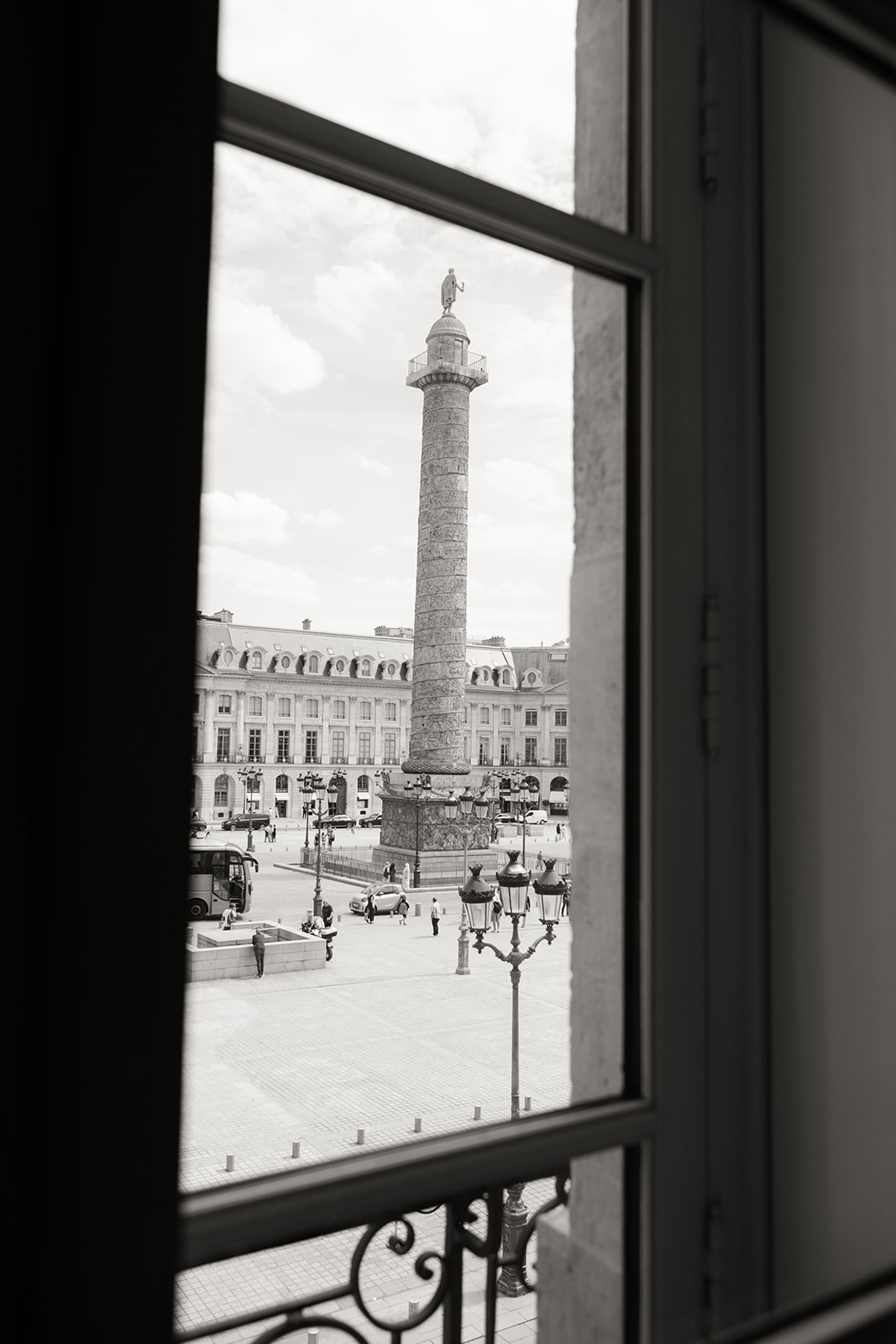
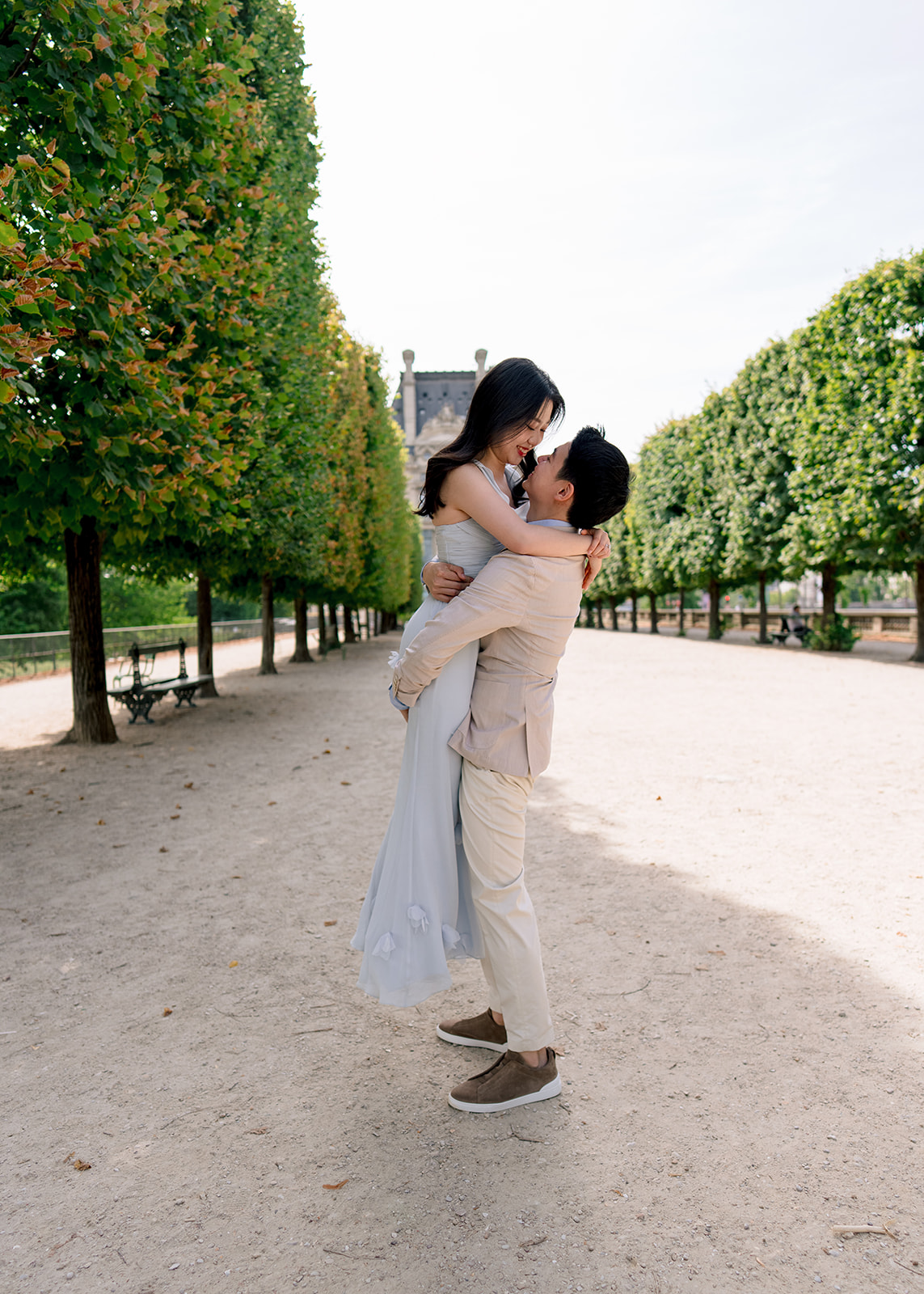
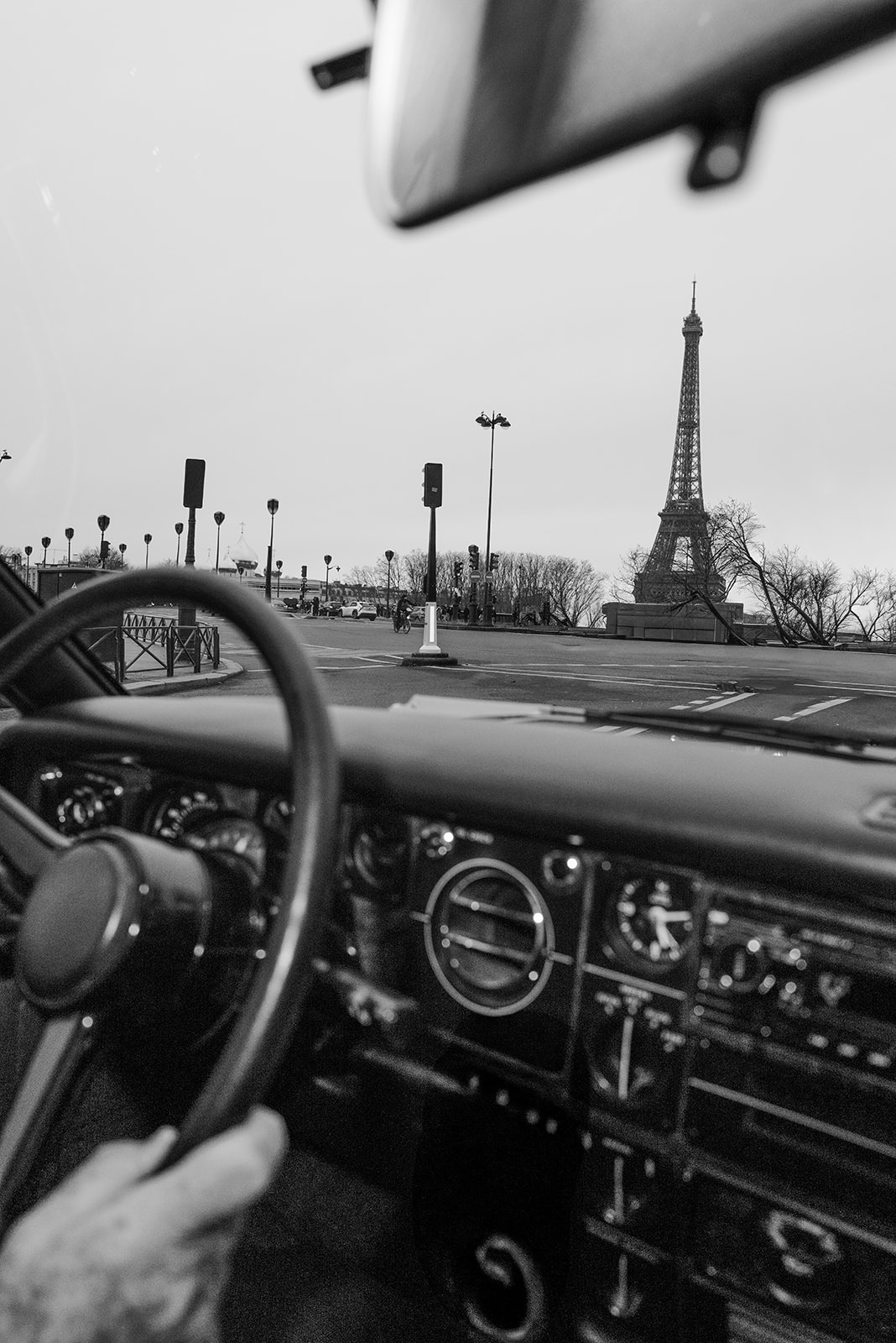
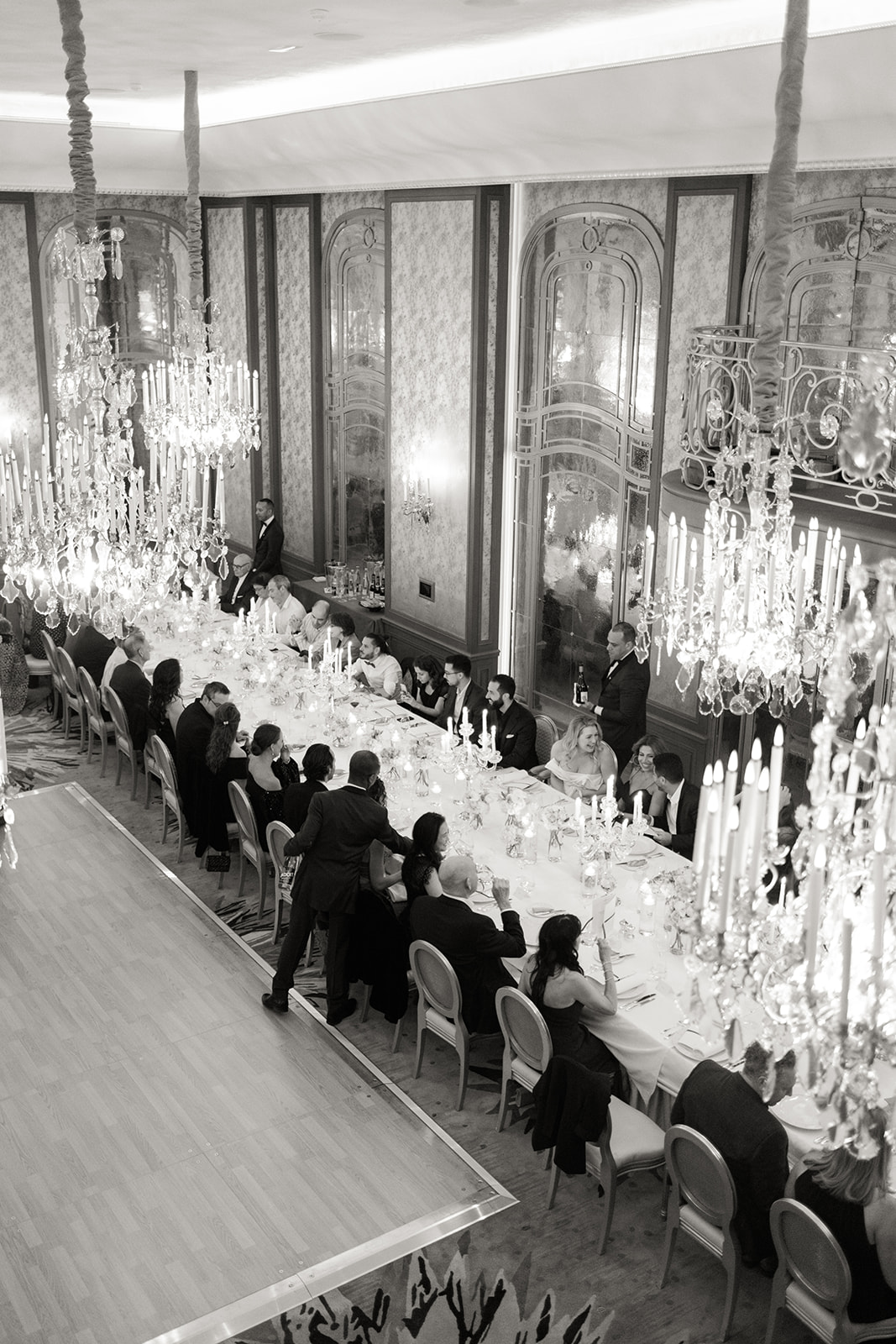
Paris is ideal for couples who want iconic hotels, fashion, architecture, restaurants and several distinct environments within one celebration. A wedding might begin in a palace suite, continue with a ceremony in a private salon, move into city portraits around Place Vendôme or the Louvre and finish with dinner and a high-energy party. The main planning challenge is logistics: Paris traffic, hotel access, travel time between venues and the movement of guests must be calculated honestly.
Explore wedding photography in Paris, use the step-by-step guide to plan a destination wedding in Paris, or review the guide to best wedding venues in Paris.
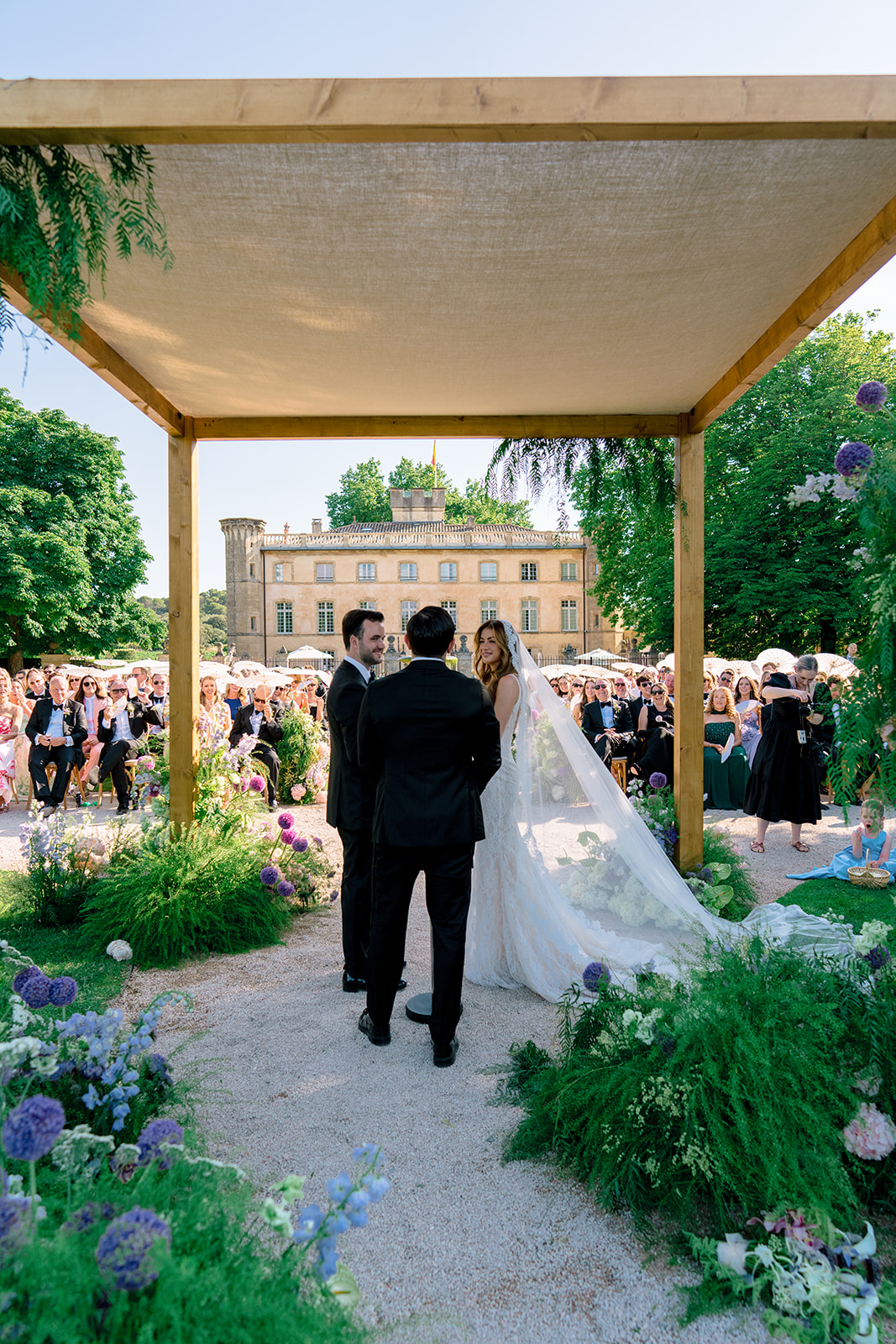
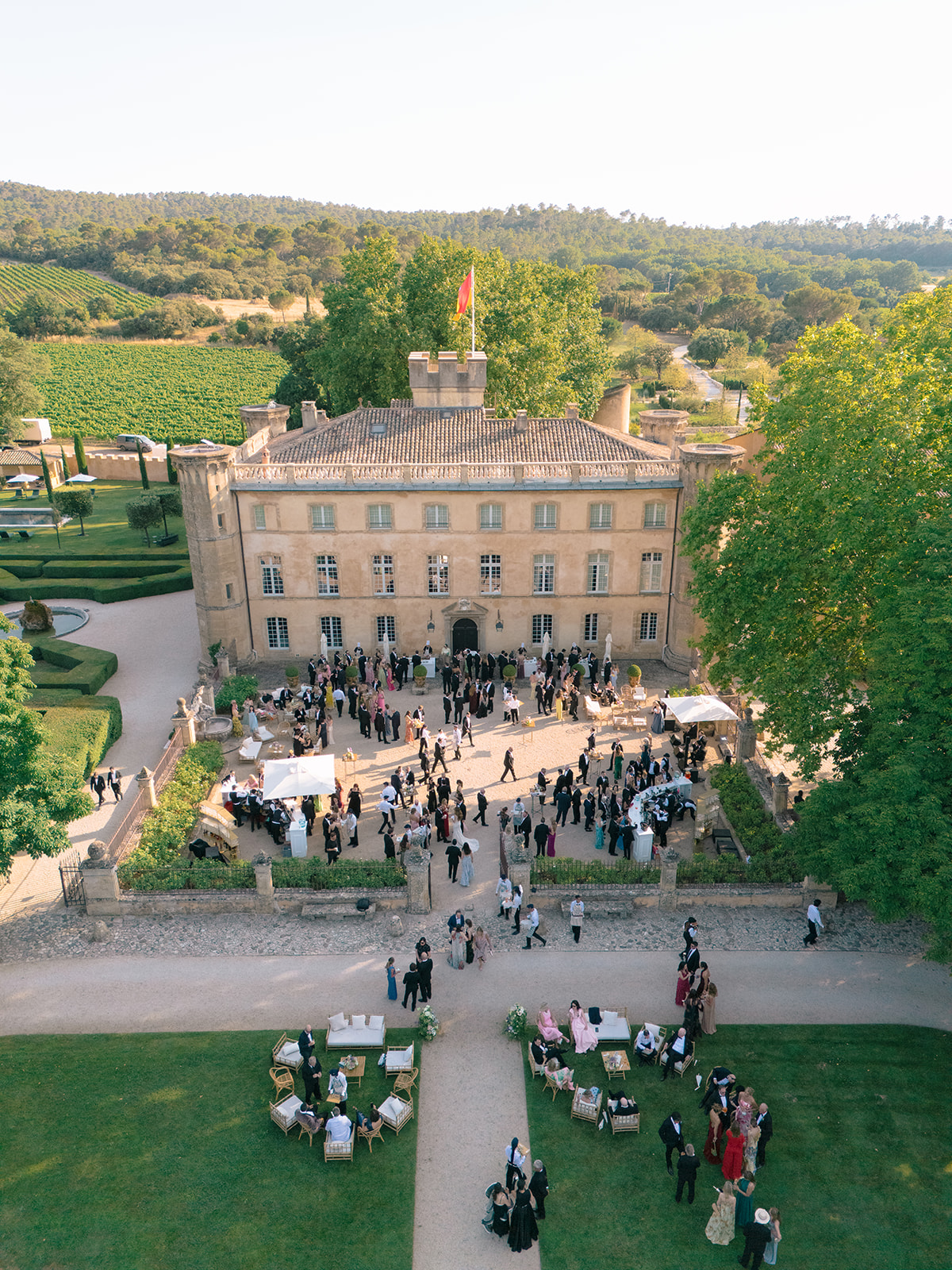
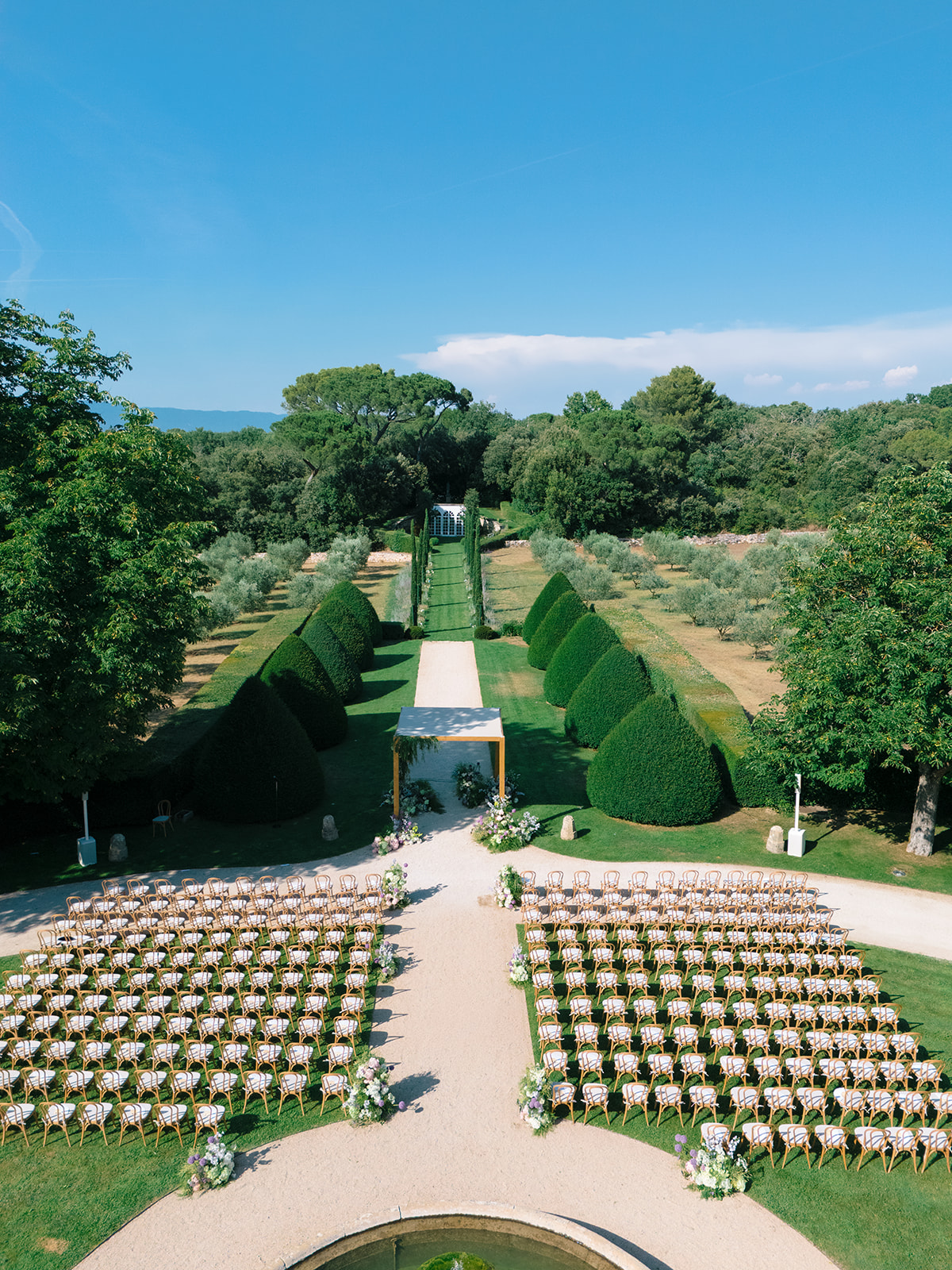
Provence works beautifully for couples who want a destination that feels private and immersive. Estates, vineyards and historic properties can host several parts of the wedding in one place. The atmosphere is often relaxed, but the production is not necessarily simple. Remote locations may require guest transportation, vendor accommodation, generators, lighting, additional rentals and a serious weather plan.
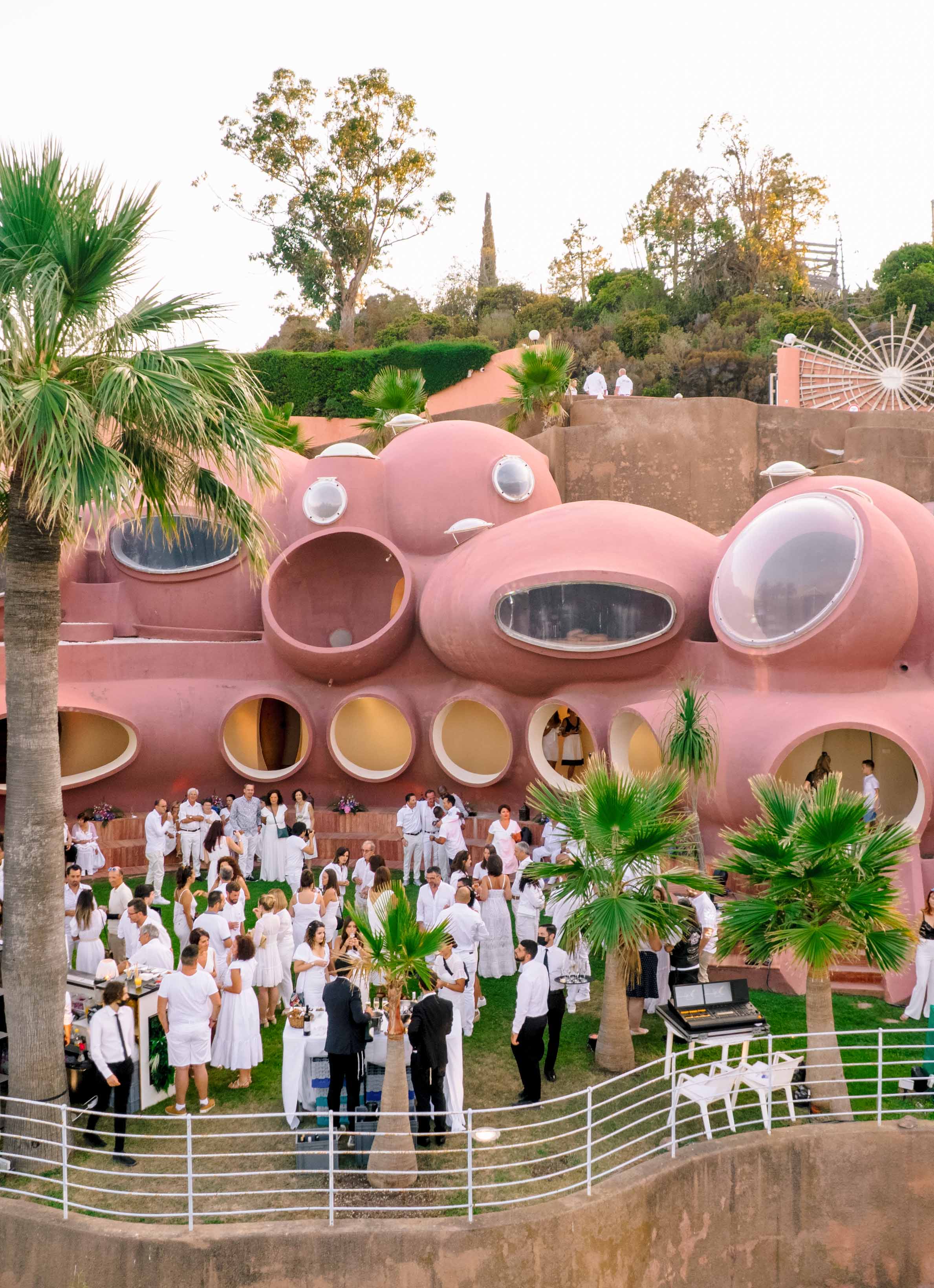
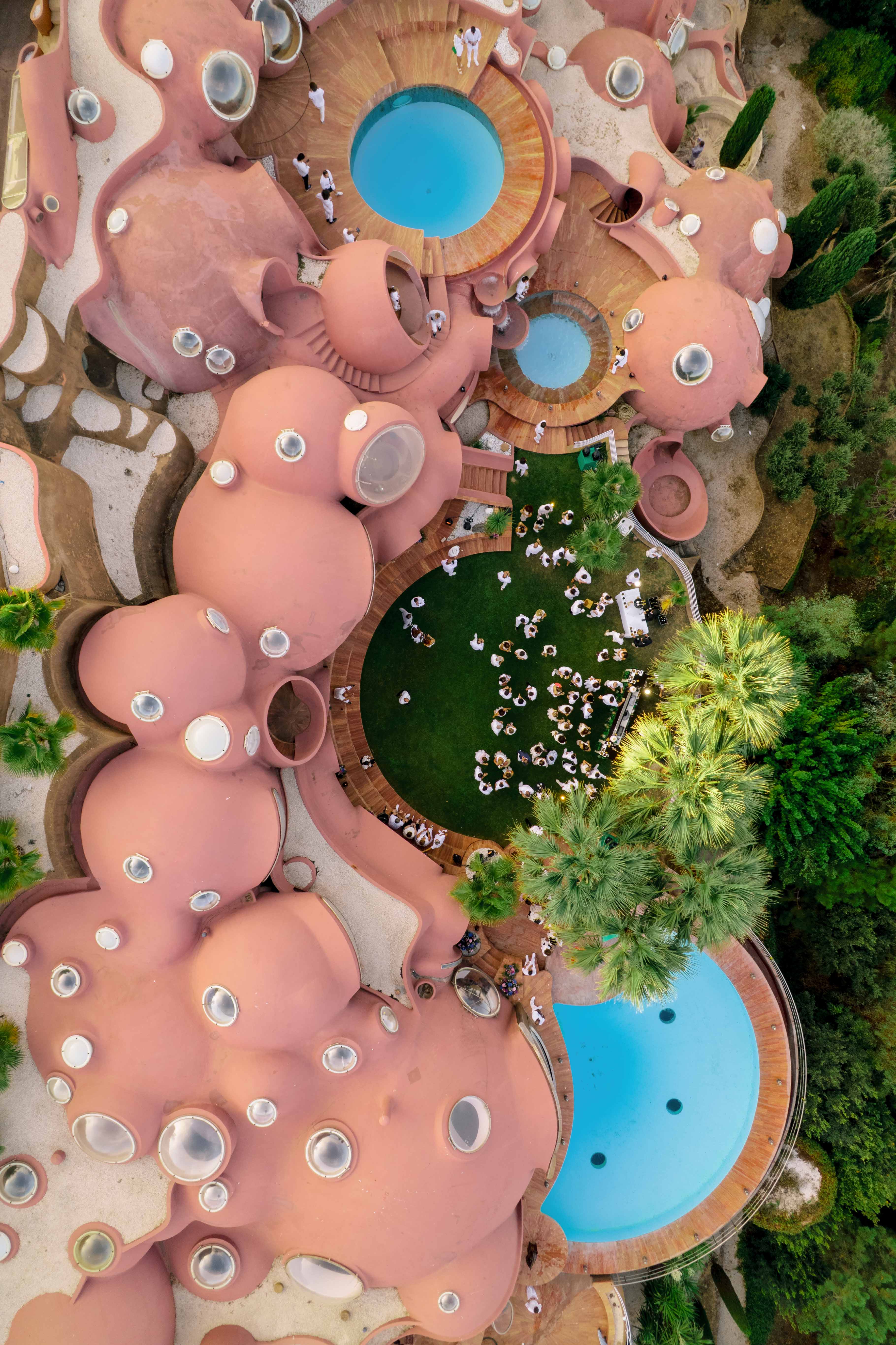
The French Riviera suits celebrations built around the Mediterranean: villas, terraces, pools, coastal hotels and late-night parties. Nice and Cannes provide useful transport connections, while Saint-Jean-Cap-Ferrat, Monaco and Saint-Tropez create a more exclusive destination experience. Summer traffic, venue access and accommodation availability can become significant constraints, especially during major events. For a concrete resort example, explore the Grand-Hôtel du Cap-Ferrat wedding guide. For a private historic-estate alternative on the same peninsula, explore the Villa Ephrussi de Rothschild wedding guide.
A château or countryside venue gives you more creative control and can accommodate a full weekend in one environment. It may also require more infrastructure than a hotel: catering kitchens, lighting, sound, furniture, staff transportation, restrooms, power and guest transfers. Ask what is included before comparing rental prices.
Before shortlisting properties, compare the best wedding venues in France by event format, guest logistics and region.
First-hand planning observations
After photographing more than 150 celebrations, I have seen the same planning issues create avoidable pressure even at beautifully produced weddings. They are rarely aesthetic problems. They are usually problems of distance, access, infrastructure, weather or timing.
In Paris, a location that looks close can still involve traffic, restricted vehicle access, hotel elevators, security, walking time and the time needed to gather the wedding party. On the Riviera, summer congestion and narrow coastal roads can change the rhythm of an entire event. I plan photography around the complete movement, not only the driving distance.
A château or Provençal property may look self-contained while still requiring catering infrastructure, furniture, power, lighting, sound, staff access, vendor accommodation, transport or additional weather protection. The rental price alone does not explain how complex the event will be to produce.
In southern France, the best outdoor portrait light can arrive when guests are already being seated or when dinner service needs to begin. If photography matters, sunset, ceremony direction, cocktail hour and dinner should be considered together rather than scheduled independently.
A remote venue can be extraordinary, but the celebration feels different when guests have to solve their own transportation after midnight. Grouped accommodation, clear pickup points and realistic buffers make the weekend feel much more effortless.
02 — Build the timeline early
“The location creates the atmosphere.
The timeline protects it.”
A realistic planning calendar
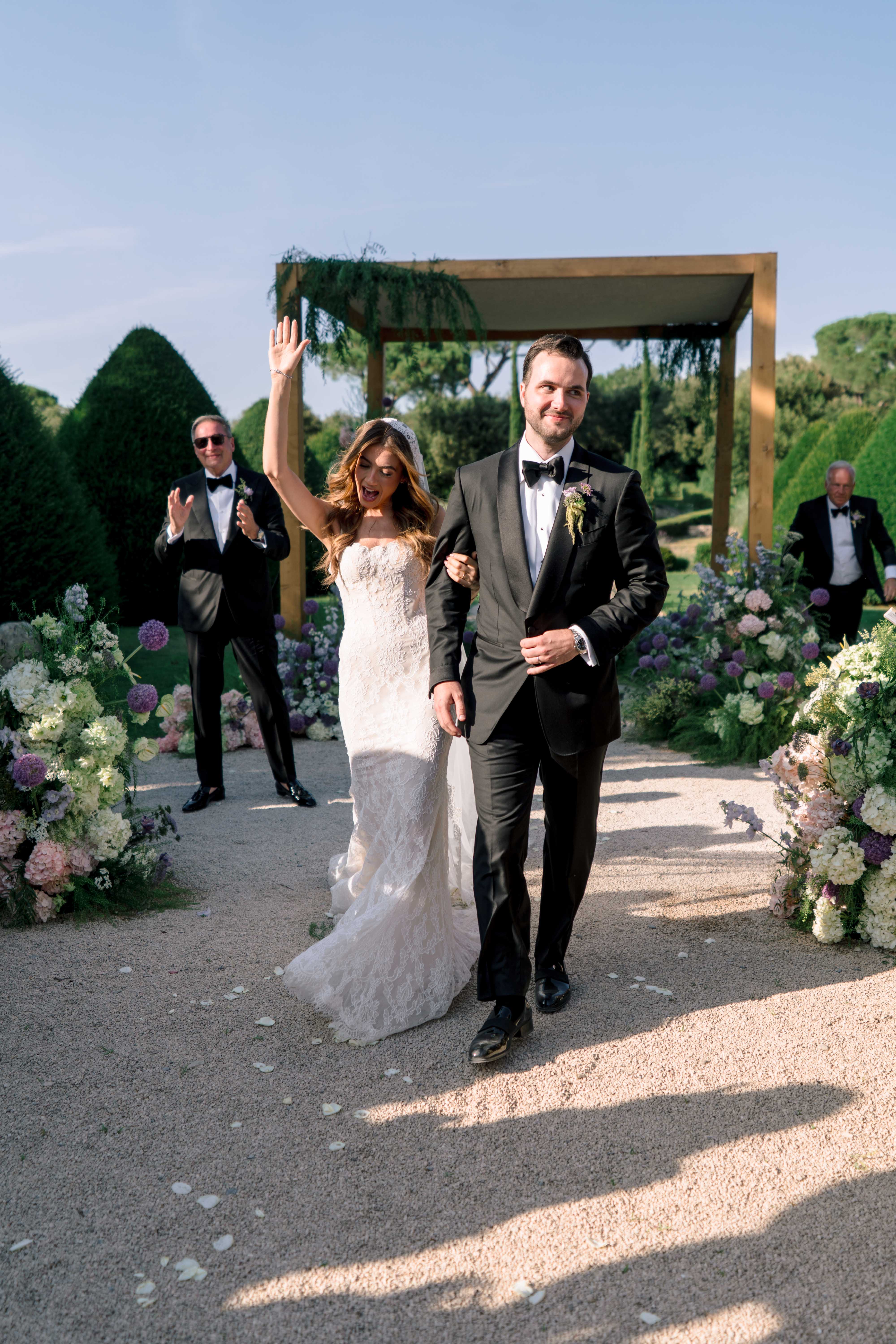
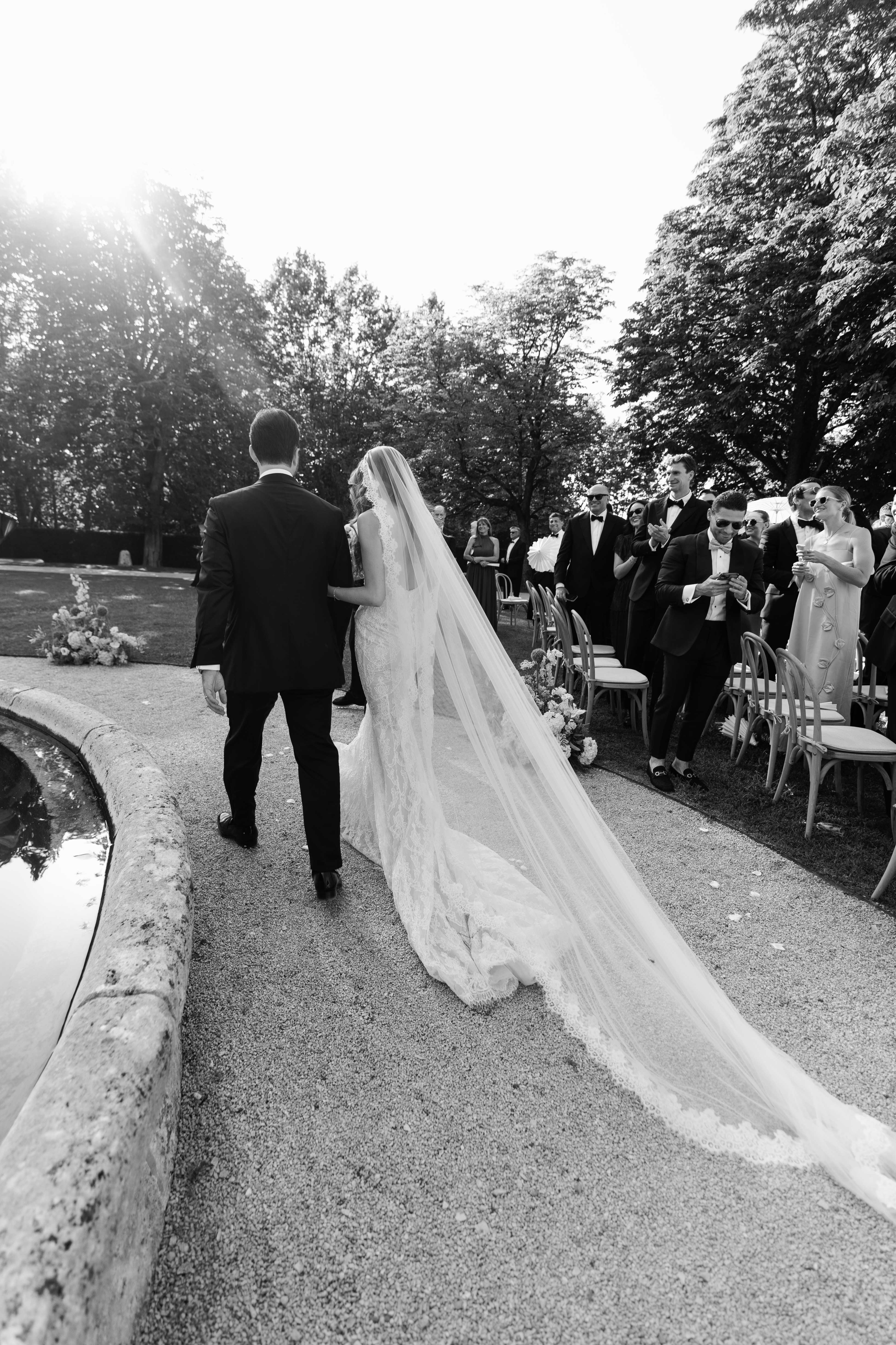
For a highly sought-after venue or peak-season Saturday, beginning 12 to 18 months in advance is a practical benchmark. Large multi-day celebrations, complete property buyouts and events involving significant production may benefit from an even earlier start. A shorter timeline can work, but it requires flexibility on date, venue and vendor selection.
Define the region, approximate guest count, budget range and desired format. Hire the planner, secure the venue and confirm the date. If your priority vendors have limited annual availability, begin those conversations immediately. This is also the stage to decide whether the celebration will take place over one day or several.
Build the core creative and production team: photographer, filmmaker, florist or designer, entertainment, beauty team and key rental partners. Reserve guest room blocks where appropriate. Begin transportation planning and share save-the-date information early enough for international travel.
Develop the guest journey, event schedule and visual direction. Review ceremony timing, dinner format, music restrictions, sound requirements and weather alternatives. If the wedding includes Paris portraits, multiple hotels or several event locations, begin testing the travel sequence now rather than assuming it will work later.
Confirm production decisions, transportation routes, vendor arrival windows, room transitions and the structure of each event. Your photographer should be involved in timeline discussions before the schedule is considered final, particularly when portraits, room reveals or multiple locations are important.
Finalize guest numbers, seating, speeches, family group lists, transport manifests, weather decisions and detailed vendor schedules. Build one master timeline with a single source of truth. Every creative partner does not need the same document, but all key teams should be working from the same event logic.
Your team in France
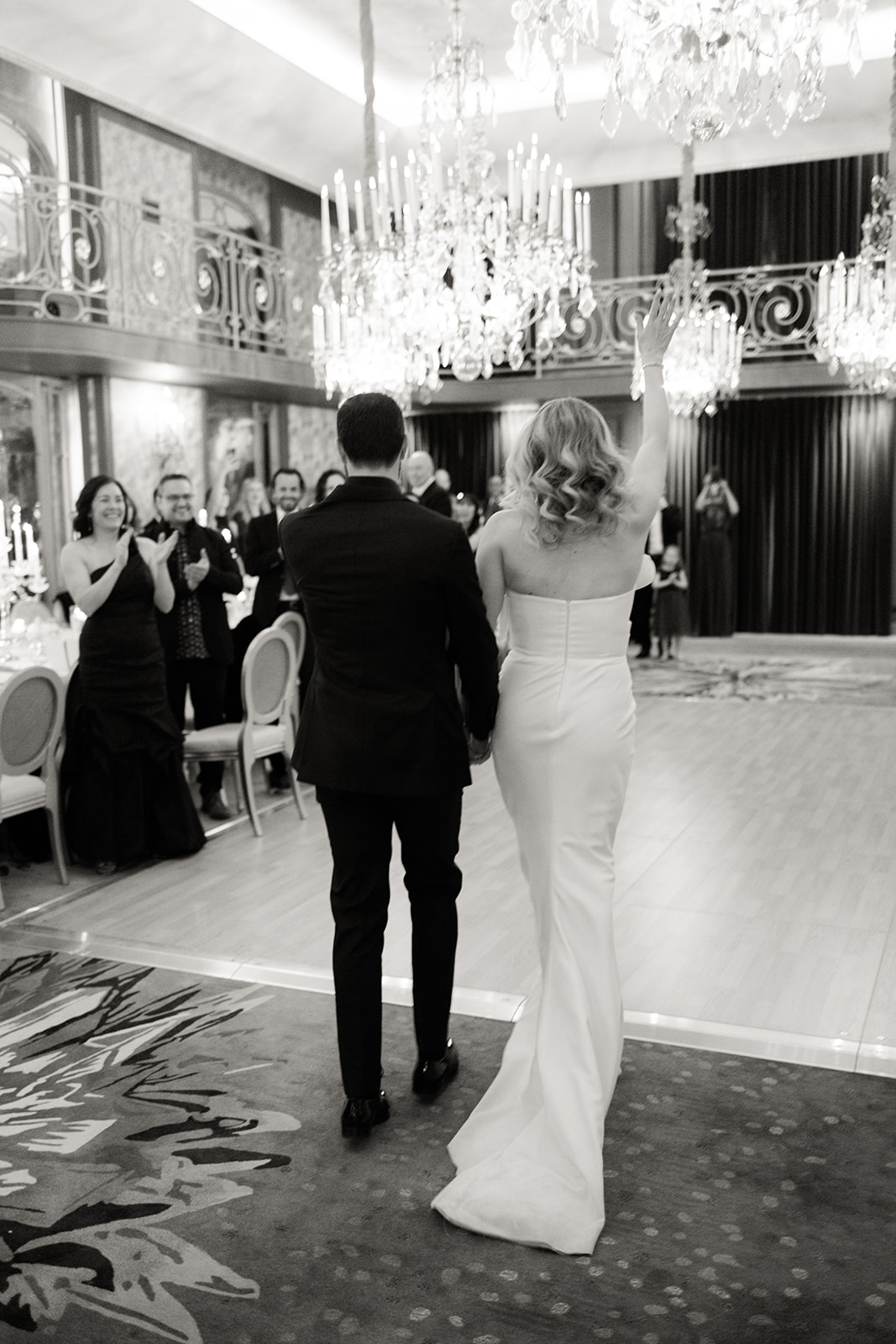
A venue coordinator manages the interests and operations of the venue. A full-service wedding planner manages the complete event on your behalf. For an international wedding, that distinction matters. The planner should be able to coordinate contracts, budget, design, vendor communication, guest transportation, production schedules and the decisions that happen while you are in another time zone.
Ask how many destination weddings they manage each year, whether they work fluently in English, how they structure fees, what level of design and production they provide, and how communication is organized across time zones. Request examples that match your scale and region rather than relying only on an aesthetic portfolio.
Full planning is generally the strongest choice when the celebration includes several days, a large guest count, a private venue, custom production or a substantial vendor team. Partial planning can work when the venue already provides significant infrastructure and the couple has enough time to manage decisions. Day-of coordination alone is rarely designed to solve structural problems created months earlier.
The strongest timeline is built collaboratively. The planner understands the complete event, the venue understands access and operational limits, and the photographer understands the time, light and movement required to create the visual result. Bringing these perspectives together early prevents the schedule from becoming a list of beautiful ideas that cannot physically happen.
Civil and symbolic ceremonies
A civil marriage in France is performed by the local town hall, or mairie. Eligibility is not based simply on renting a French venue for the weekend. French rules generally require a qualifying and durable connection to the municipality in which the civil ceremony will take place. The required documents and process can also vary according to nationality, residence and the town hall involved.
For this reason, many couples living abroad complete their legal marriage in their home country and organize a symbolic ceremony in France. The symbolic ceremony can still include personal vows, readings, music, a celebrant, family traditions and the full visual structure of a wedding ceremony; it simply does not replace the civil legal process.
Do not rely on a venue brochure, blog post or social media comment for legal eligibility. Contact the relevant French town hall directly and request its current requirements. Depending on your situation, documents may need to be recent, translated by an approved translator, certified or accompanied by additional evidence.
If you qualify for a French civil ceremony, remember that town hall schedules, room capacities and appointment availability may influence the day. Some couples separate the civil ceremony from the main celebration, while others include it as one chapter of a multi-day wedding. If your legal marriage takes place at home, the French ceremony can be designed entirely around the guest experience and the venue.
Important: this guide provides general planning information, not legal advice. Check the current requirements with the relevant mairie and, where necessary, a qualified legal or consular professional. Official guidance is available through Service-Public.fr.
Couples planning from the United States can continue with Getting Married in France as an American for a more detailed explanation of civil ceremonies, symbolic ceremonies and documents.
Planning from the US or UK
The creative ambition can be the same, but the practical framework may be different. International couples should avoid assuming that venue packages, supplier communication, payment terms or event timing will work exactly as they do at home.
One property may include rooms, furniture, staffing and several event spaces while another provides primarily the location. Compare what the celebration requires after the venue hire, not only the headline rental price.
Confirm whether quoted amounts include applicable taxes, how deposits and balances are scheduled, which payment methods are accepted and whether international transfer fees apply. Do not assume that a proposal follows the same conventions as a US or UK contract.
Many French wedding professionals work comfortably in English, but the complete operational team may include local suppliers, venue staff or technical crews. A bilingual planner or a clear communication structure prevents important decisions from being lost between teams.
Rather than importing a familiar schedule from home, build the event around the actual venue, catering service, sunset, music restrictions, transfers and room changes. The strongest destination weddings feel relaxed because those elements have been coordinated in advance.
Peak periods vary by region, venue and supplier. Confirm availability, access and accommodation early instead of assuming that a date considered normal at home will have the same operational context in Paris, Provence or on the French Riviera.
Build the real budget
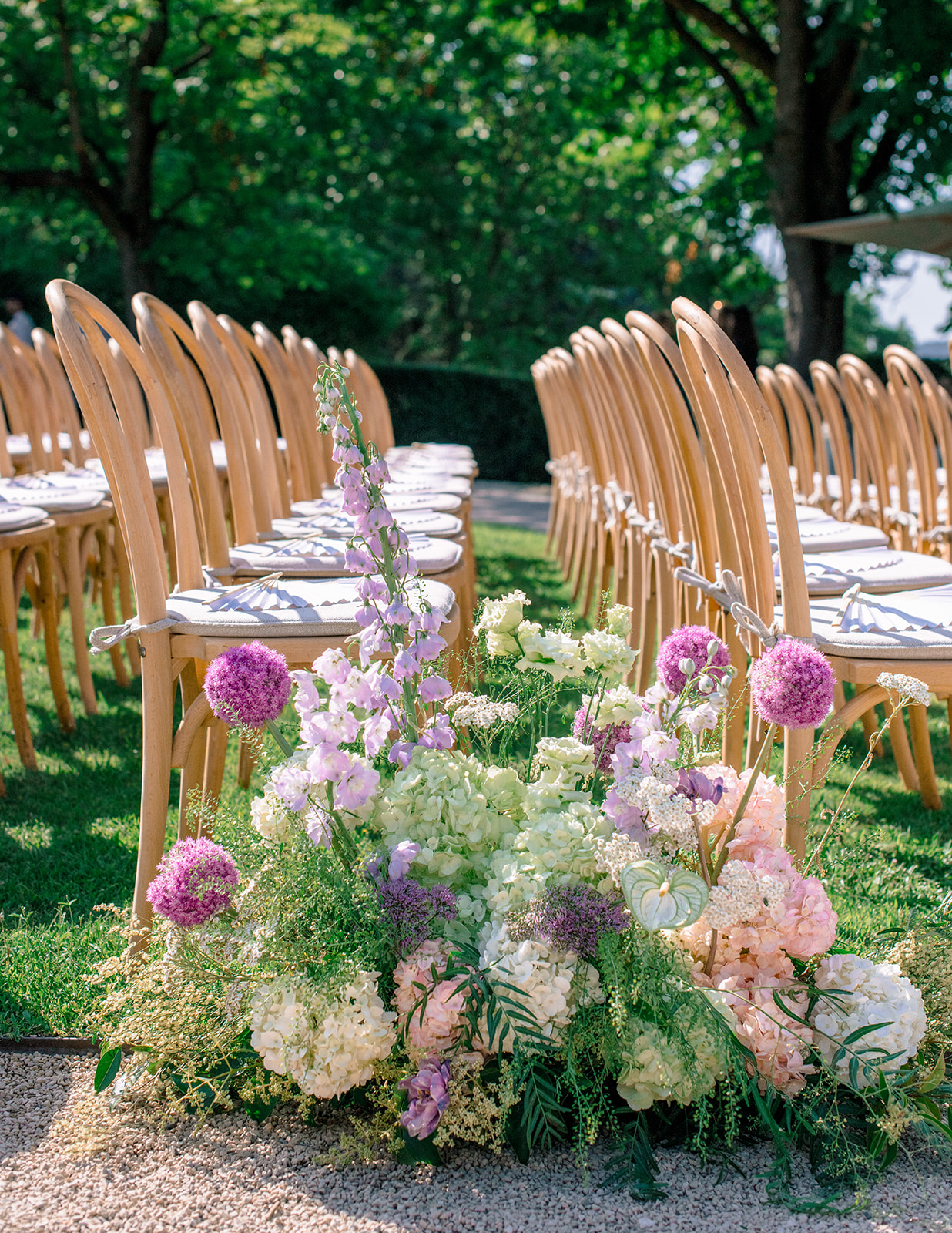
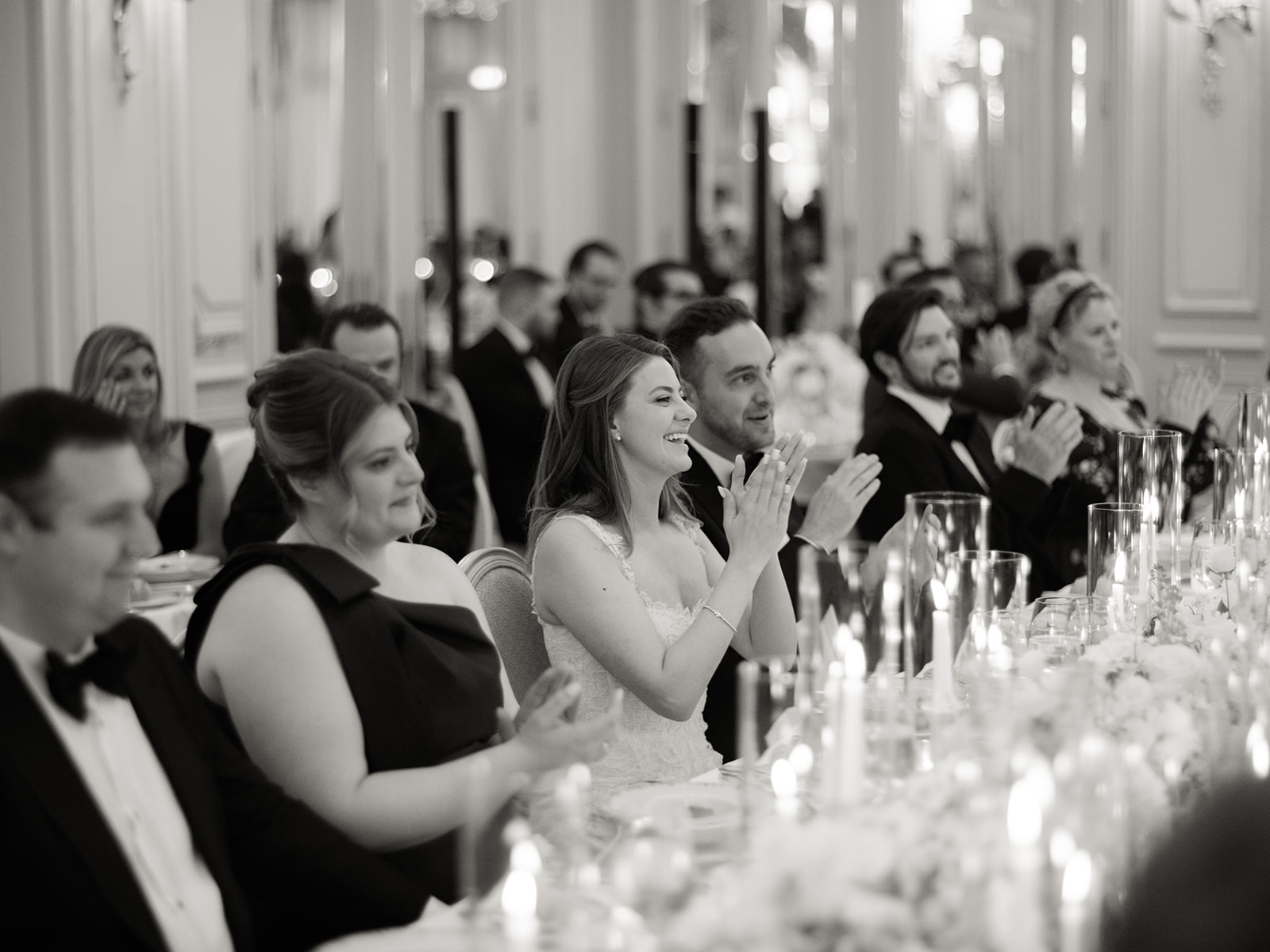
A destination-wedding budget is not only a ceremony-and-dinner budget. It is the cost of bringing a complete event into a specific place, sometimes over several days. A venue with a higher rental fee but strong infrastructure may ultimately be more efficient than a less expensive property that requires extensive production.
Confirm whether the proposal includes exclusive use, guest rooms, furniture, staffing, security, cleaning, breakfast, event spaces and setup days. Ask whether the property requires a minimum stay or complete buyout. A private estate may involve separate accommodation and transportation for both guests and vendors.
Understand minimum spends, service charges, overtime, corkage, late-night food, staff meals and the cost of additional events. Welcome dinners and brunches can be major productions, not minor add-ons, especially when the guest count remains high throughout the weekend.
Florals, furniture, linens, tableware, lighting, staging, sound, power, climate control and weather structures can transform the event. They can also become a substantial part of the budget. Ask which items are already on site and which must be transported, installed and removed.
Include guest transfers, airport or train-station support, vendor travel, accommodation, parking, permits and delivery access. International couples often underestimate the cost of moving people and equipment safely after midnight or between remote properties.
French vendors usually contract and invoice in euros. Your effective cost may change with currency movement. Review whether taxes are included, confirm the deposit schedule and understand the bank fees associated with international transfers. For financial or tax questions, rely on your accountant or qualified adviser.
06 — Plan for the guests
“A destination wedding begins
before the ceremony.”
Travel and accommodation
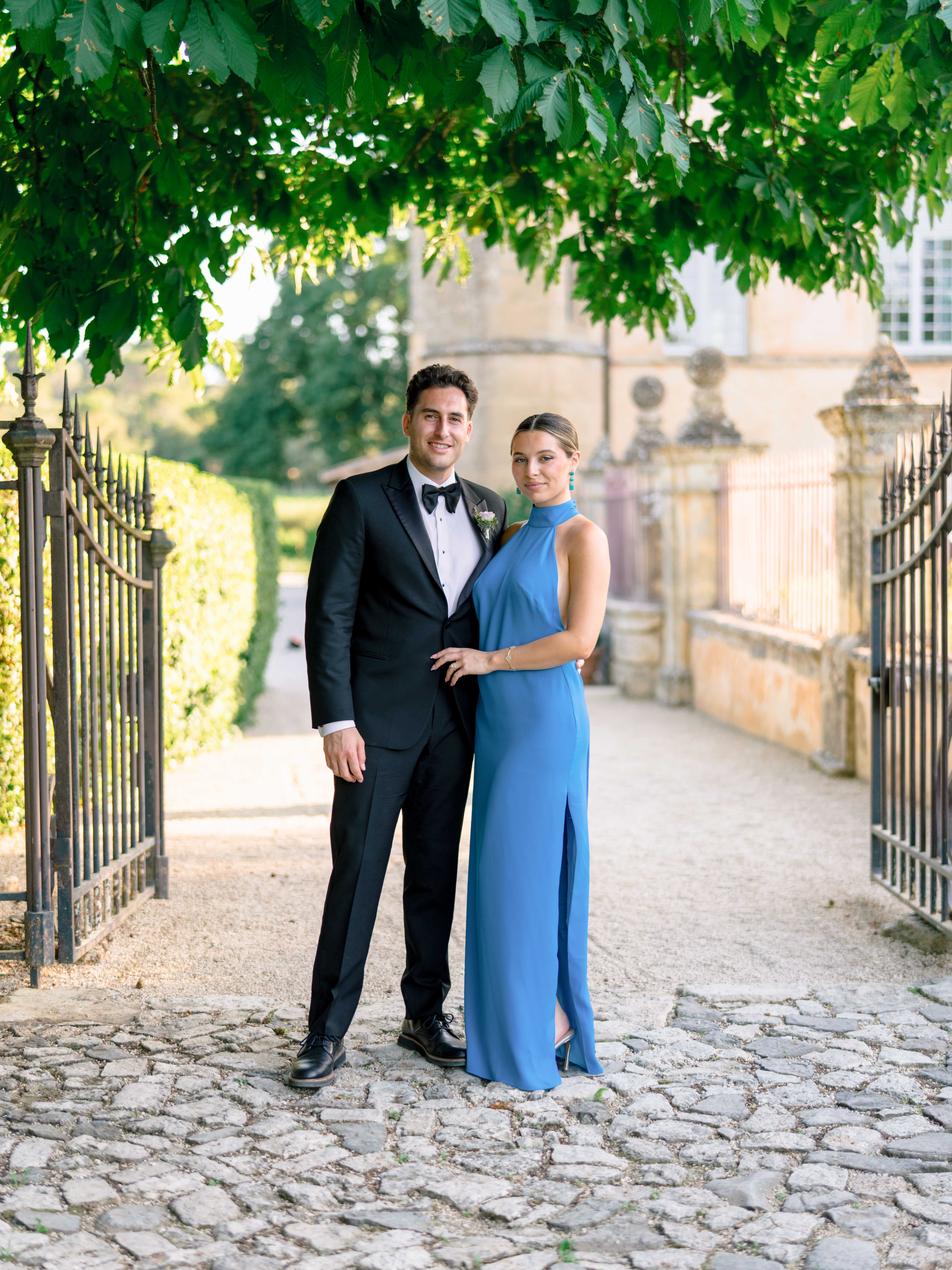
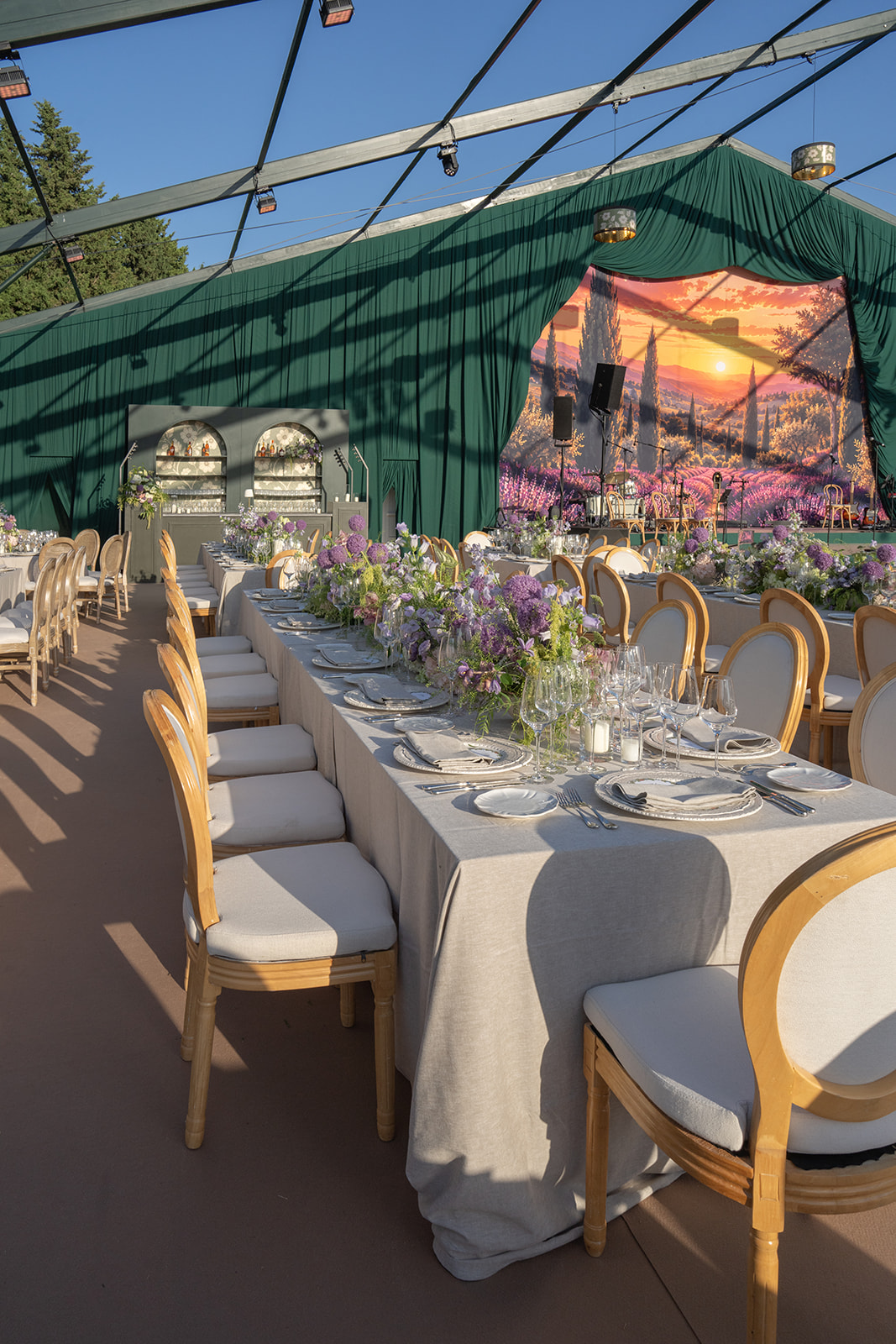
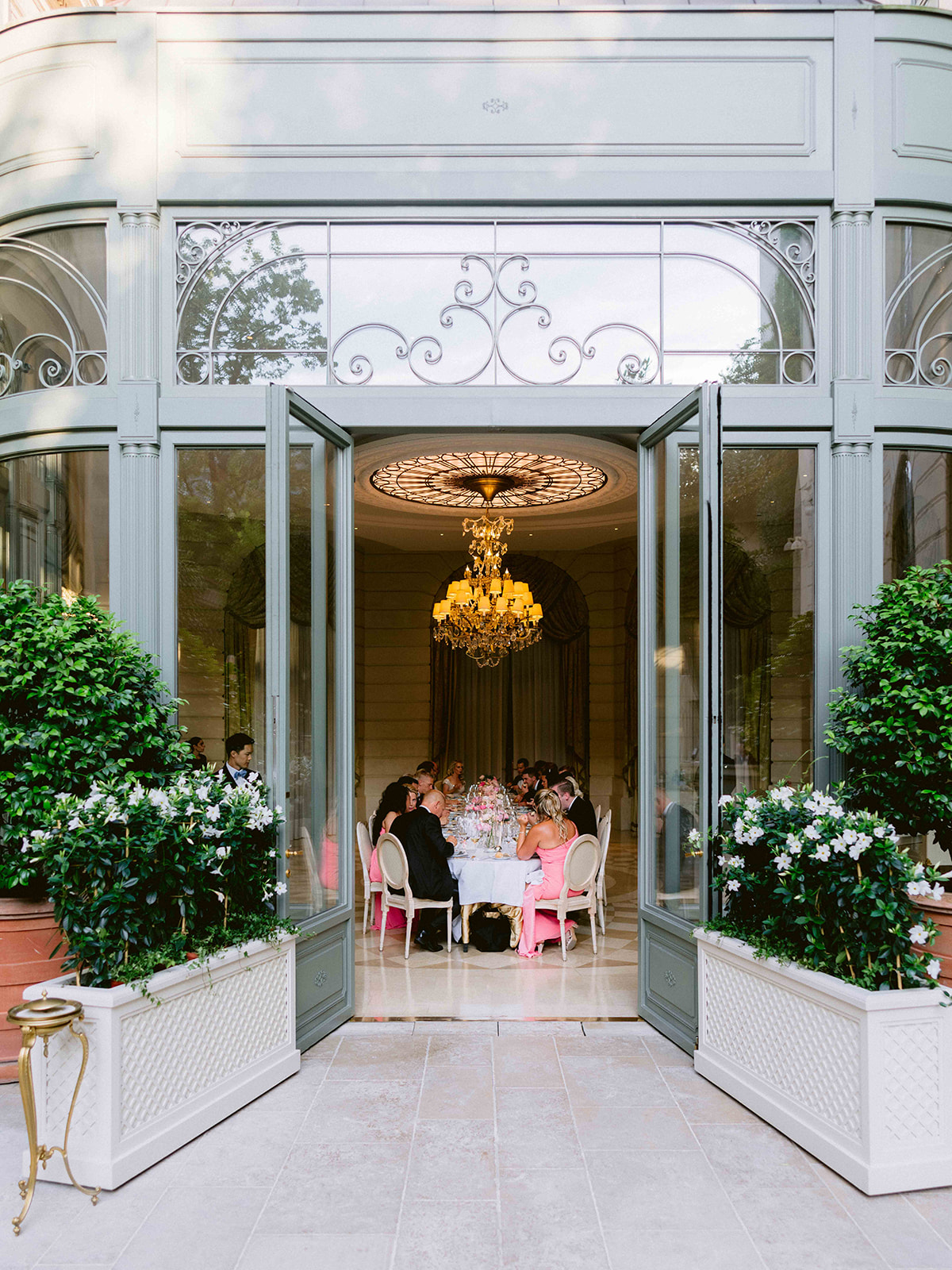
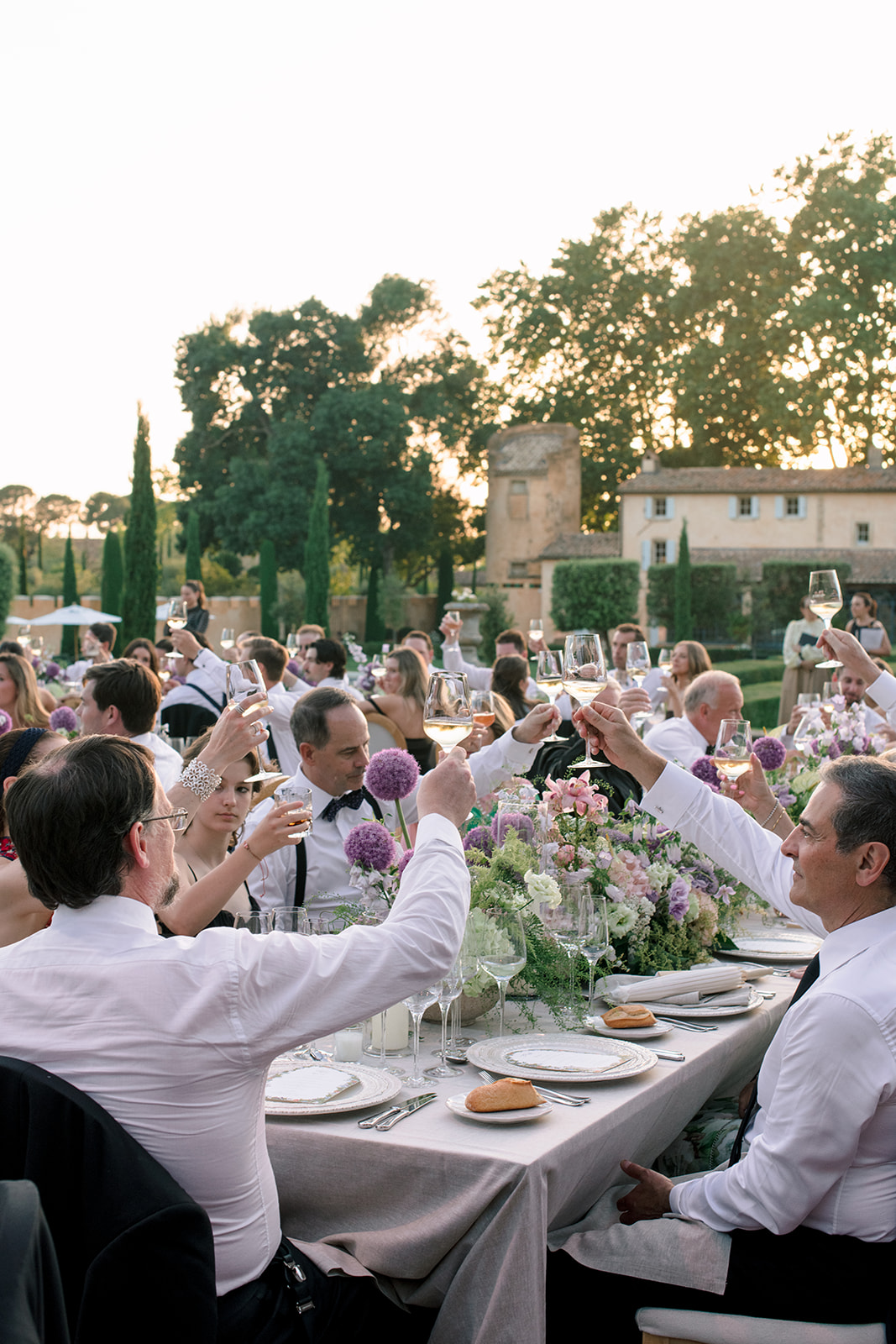
Your guests are not simply attending a wedding; they are traveling internationally for an experience. Give them enough information to make the trip feel clear without turning the celebration into a group tour. The wedding website should become the practical reference point for travel, accommodations, dress codes, transportation and the schedule.
Paris is served by major international airports and high-speed rail connections. Provence and the Riviera may involve arrivals through Paris, Marseille or Nice, followed by train or private transfer. A beautiful venue becomes less attractive if every guest must solve a difficult final two-hour journey alone.
Where possible, concentrate guests in one or two hotels or within the same area. This simplifies transportation, communication and the transition between events. For a private estate, decide whether guests will stay on site, nearby or in a larger town with more services.
Map distance is not the same as event-day travel time. Paris traffic, summer congestion on the Riviera, narrow estate roads, parking and the time required to board a group all affect the schedule. Add realistic buffers and confirm who is responsible for guests who miss a departure.
Include airport and train guidance, hotel addresses, check-in timing, transportation pickup points, event start times, attire, terrain, weather expectations and a local contact. For multi-day weddings, make it clear which events are hosted, optional or limited to specific guests.
Beyond the wedding day
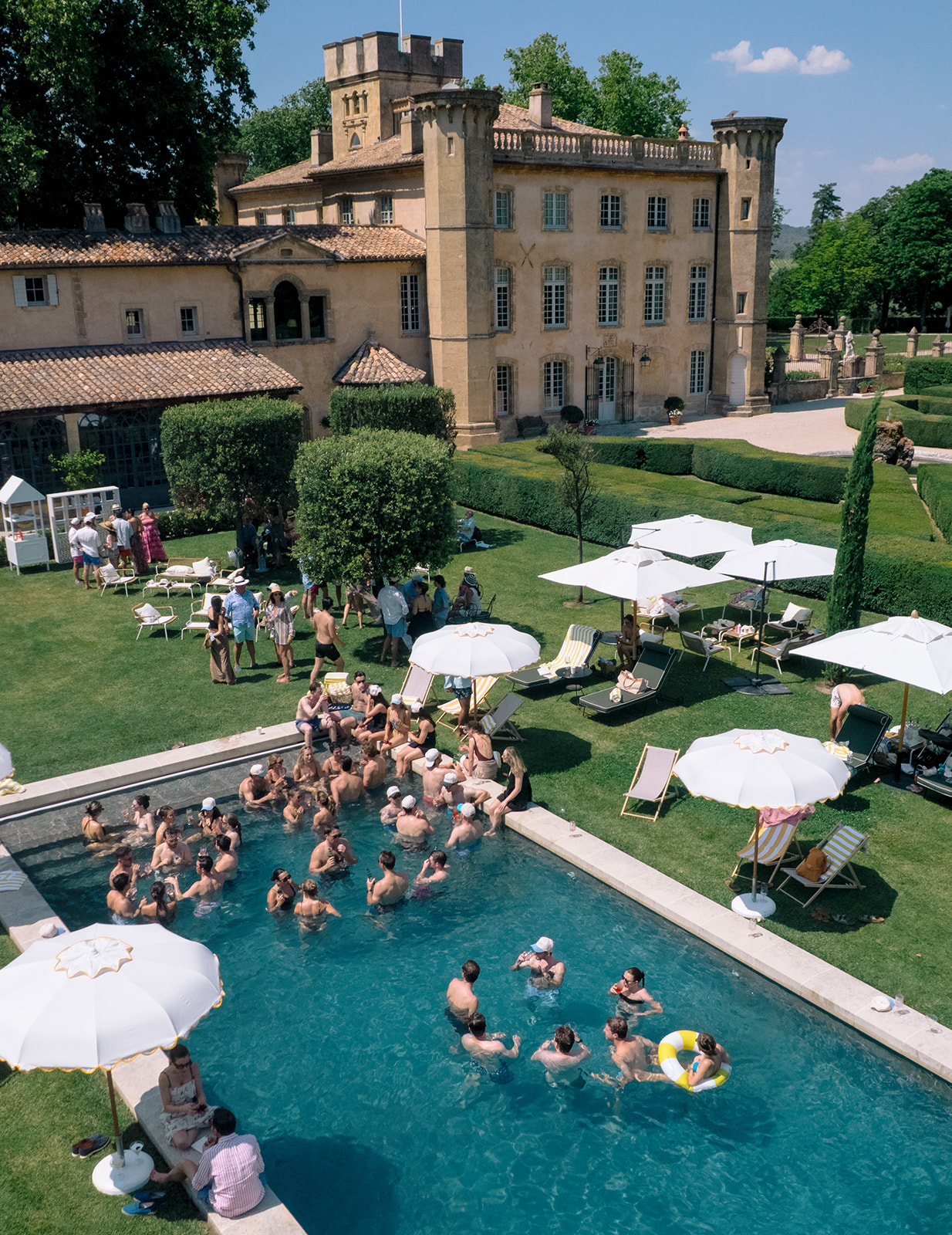
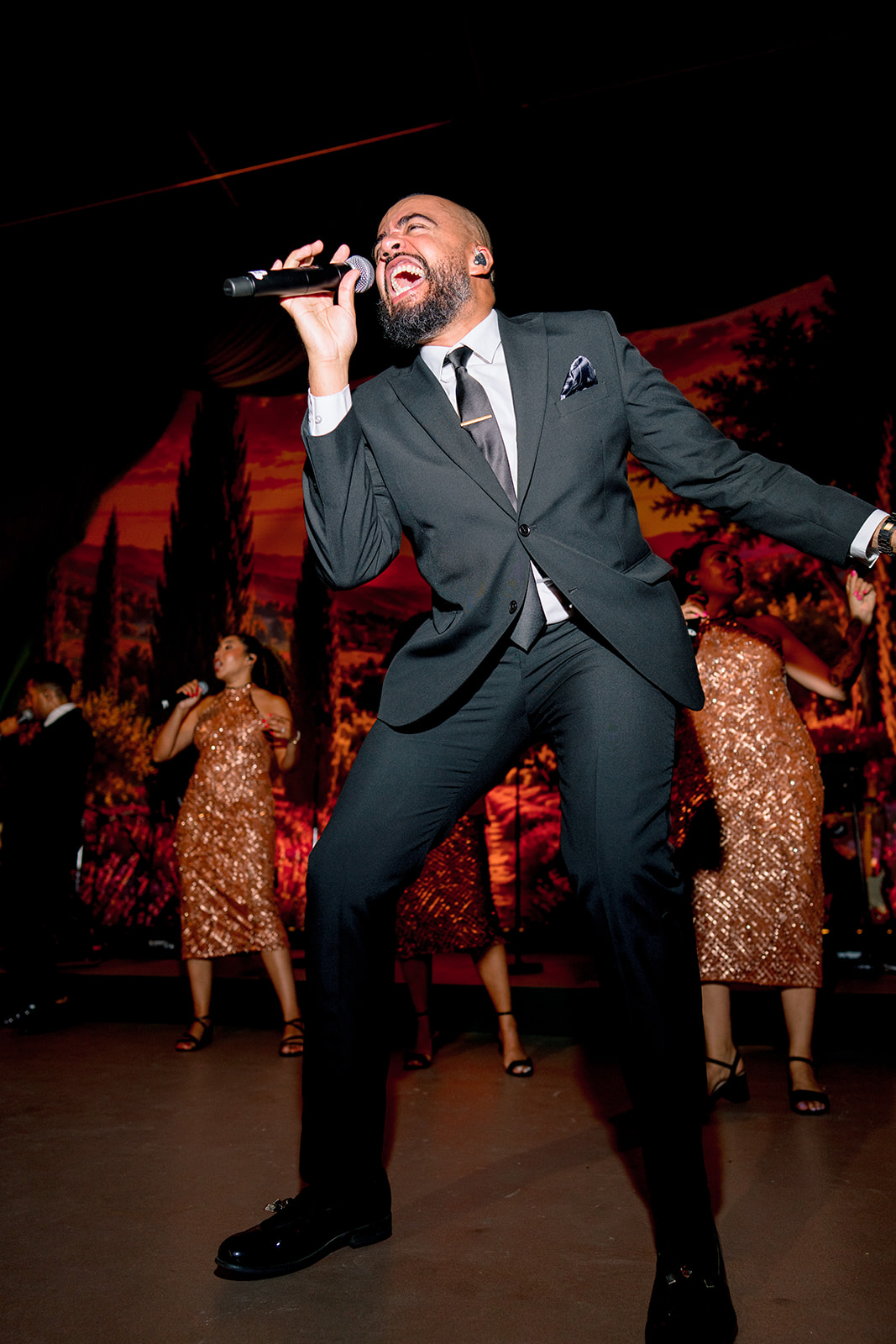
A destination wedding gives people a reason to travel, but the wedding day should not be the only moment they truly connect. A welcome event creates context, the wedding day carries the emotional and visual peak, and a final gathering gives the weekend a natural close.
The opening event should establish the destination without competing with the wedding day. In Paris, that might mean a private restaurant, hôtel particulier or terrace. In Provence or on the Riviera, it could be a relaxed dinner, pool party or sunset event. Use a different dress code, setting and pace so the weekend evolves rather than repeats itself.
For a real example of a different rhythm, Leiana and David’s three-day celebration at Villa Baulieu began with a pool party, followed by a welcome evening and then the wedding — giving family and friends more time together.
A town hall ceremony, rehearsal or family gathering can become a meaningful chapter when intentionally designed. It may be smaller and more intimate than the main celebration, offering a different visual and emotional atmosphere.
Protect the wedding day from unnecessary movement. If several locations are essential, group them logically and transport guests professionally. Avoid filling every hour simply because people have traveled far. The event still needs quiet moments, transitions and room for the unexpected.
The final event should feel easy for guests and operationally realistic for the team after a late night. Consider a flexible arrival window, informal food and a location close to accommodation. It does not need the same production level as the wedding, but it should still feel intentional. For a detailed event plan, see these wedding pool party ideas in France.
For a complete event-by-event framework, read How to Plan a Multi-Day Wedding in France covering the welcome event, wedding day, after-party and final gathering.
Create the right team
A beautiful portfolio is only one part of the decision. International weddings require clear contracts, reliable communication, realistic travel planning and the ability to coordinate with a larger team. The right vendor should understand both the creative ambition and the operational reality of the event.
For photography specifically, use the neutral checklist in How to Choose a Wedding Photographer in France.
Confirm scope, hours, staffing, travel, accommodation, taxes, overtime, delivery, cancellation terms and what happens if the event changes location or format. Ask whether the proposal covers only the wedding day or the complete weekend.
A vendor who works beautifully at intimate local weddings may not necessarily be equipped for a 200-guest multi-day production. Experience should match the number of events, level of design, venue complexity and communication structure.
Identify the main contact, communication language and approval process. If several family members, planners or creative directors are involved, establish who has final authority. Too many parallel conversations can create expensive contradictions.
The strongest team often combines both. Local vendors understand venues, regulations, access and regional logistics. Internationally experienced vendors understand the expectations, timelines and communication style of couples planning from abroad.
Common destination-wedding mistakes
These are not mistakes about taste. They are planning decisions that repeatedly create unnecessary compromises later in the process.
The property may be perfect visually but difficult for 80 or 150 guests to reach, leave safely or combine with nearby accommodation. Test the full guest journey before signing.
Driving time does not include loading cars, hotel access, walking, security, parking, summer congestion or moving a group. Build buffers around the real sequence.
Ask specifically about furniture, power, catering infrastructure, lighting, sound, restrooms, staff areas, setup access and the rain plan. A beautiful blank canvas can require significant production.
For destination weddings, accommodation is part of the event infrastructure. If guests are scattered across a region, every transfer becomes harder and more expensive to coordinate.
In Provence and on the Riviera, the position of the sun can materially change guest comfort and the photographs. Ceremony direction and timing should be tested before the schedule is locked.
The backup plan should be operationally complete: capacity, flooring, power, lighting, sound, guest movement and photography. If it only works on paper, it is not yet a real plan.
Portraits, room reveals, family photographs, travel and sunset all require real time. Involving the photographer before the final timeline is locked protects the experience without turning the day into a photo shoot.
Photography in France
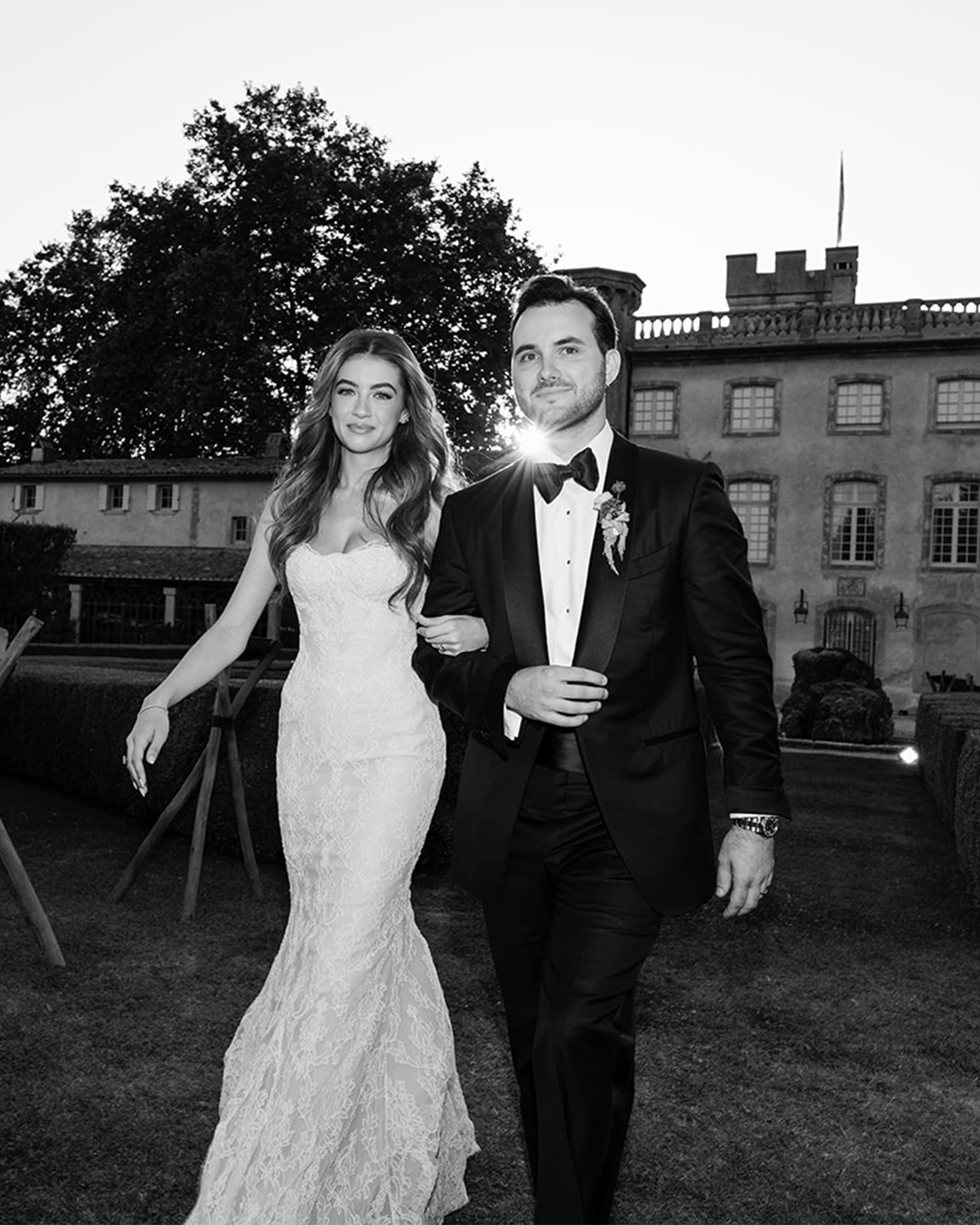
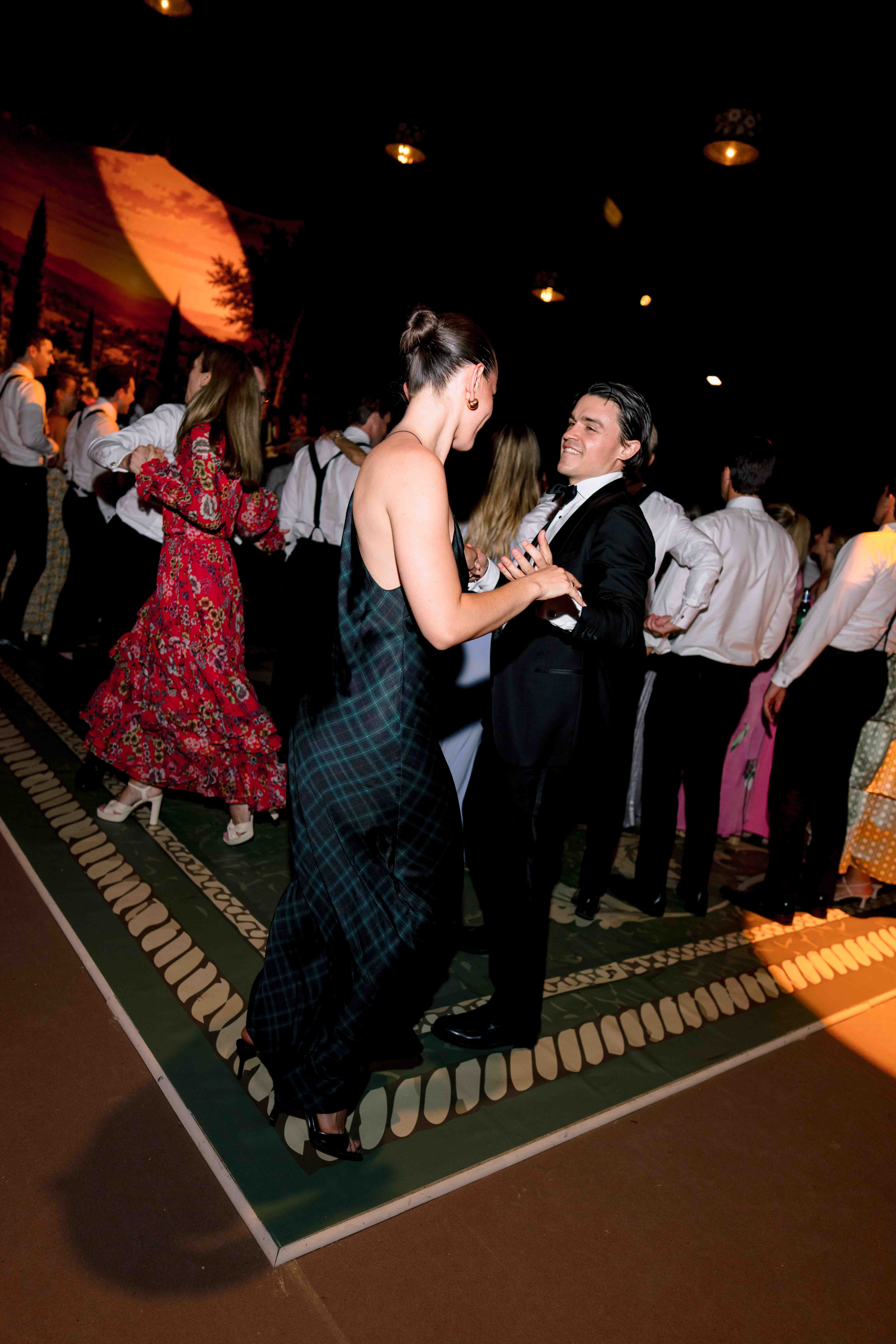
Photography should not be added after the timeline is finished. The way the day is structured determines which images are possible, how long the couple is away from guests and whether the visual story feels coherent from the first preparation to the final dance.
A portrait location that appears ten minutes away on a map may require vehicle access, security clearance, walking time and a difficult return to the venue. Palace suites, elevators, lobbies and city streets all have different light and access conditions. A short, well-planned portrait sequence is usually more effective than an ambitious route that consumes the cocktail hour.
In southern France, midday light can be intense and summer heat can affect guests, flowers and makeup. Ceremony direction, portrait timing and shaded locations matter. Sunset may be late, which means the most flattering outdoor light can overlap with dinner or speeches unless the schedule is built around it.
When the welcome dinner, civil ceremony, wedding day and after-party are photographed as one complete assignment, the result has greater depth. Guests become familiar, relationships develop and each event can have its own visual language while remaining part of the same story.
For Leiana and David, we prepared their priorities through video calls and coordinated with their planner. Working with a second photographer allowed me to stay close to the couple while their guests were also photographed. Explore how I approach the photography with you.
Strong portraits need preparation and clear direction. Real reactions need space. My approach combines considered composition, natural light and direct flash with a documentary instinct, so the photographs feel current and intentional without turning the wedding into a production centered on the camera.
Discover my work as a Paris wedding photographer, explore my destination wedding photography approach in France, browse complete wedding stories, or start a conversation about your celebration.
10 — Destination wedding checklist
Use this checklist as a planning framework. Your planner can turn it into a detailed production schedule adapted to the venue, guest count and region.
Choose the region, season, approximate guest count and whether the celebration will take place over one day or several. Decide which atmosphere matters most: city, palace, private estate, countryside or coast.
Set a complete budget range, including production, accommodation, transportation and additional events. Hire the planner and confirm who has final decision-making authority.
Secure the venue, review what is included and confirm the rain plan. Determine whether you are eligible for a civil ceremony in France or will complete the legal marriage elsewhere.
Reserve accommodation options, create the wedding website, map arrival routes and organize transportation for every hosted event.
Book the photographer, filmmaker, design and floral team, entertainment, beauty team, catering and technical production according to the venue’s requirements.
Build the schedule around real travel time, venue access, daylight, ceremony length, dinner service and the experience you want with your guests. Review the final structure with the planner, venue and photographer.
Confirm weather decisions, guest numbers, transportation manifests, speeches, family photographs, vendor arrivals, room transitions and a single master timeline.
11 — Frequently asked questions
Practical answers for international couples organizing the celebration from abroad.
A French civil marriage generally requires a qualifying connection to the municipality where the ceremony will take place, along with a formal application and supporting documents. Because eligibility varies, many American couples complete the legal marriage in the United States and organize a symbolic ceremony in France. Confirm your specific situation with the relevant mairie.
For a sought-after venue or peak-season weekend, 12 to 18 months is a useful planning benchmark. Larger multi-day weddings, property buyouts and major productions may need more time. A shorter schedule is possible when the couple is flexible.
A planner is strongly recommended when organizing from abroad, particularly for multi-day weddings, private estates, several event locations, guest transportation or significant design and technical production.
Paris is strongest for palaces, architecture and city events. Provence is ideal for private estates and outdoor dining. The French Riviera works well for villas, resort experiences and sea views. The best region is the one that supports both your atmosphere and your guest logistics.
The answer depends on the region and venue. Spring and early fall can offer comfortable conditions, while summer provides long evenings but may bring heat, traffic and high demand. Paris can work year-round when the venue and weather plan are strong.
Yes. Multi-day coverage can include the welcome dinner, civil ceremony, wedding day, brunch, pool party or after-party. Planning the complete weekend as one assignment creates visual continuity and a fuller record of the guest experience.
Establish one central communication structure, ideally led by the planner. Schedule decision-focused calls, document approvals in writing and use one shared source for the current timeline, budget and production status.
Planning & Wedding Information
Open the specialist guide that matches the decision you are making next: destination, venue, season, legal process, multi-day structure, poolside event or a detailed French Riviera property guide.
Compare venues, guest travel, season, budget, wedding format and photography before choosing the region.
Read the guideCompare Paris palaces, Provençal estates, châteaux near Paris and iconic hotels on the French Riviera.
Read the guide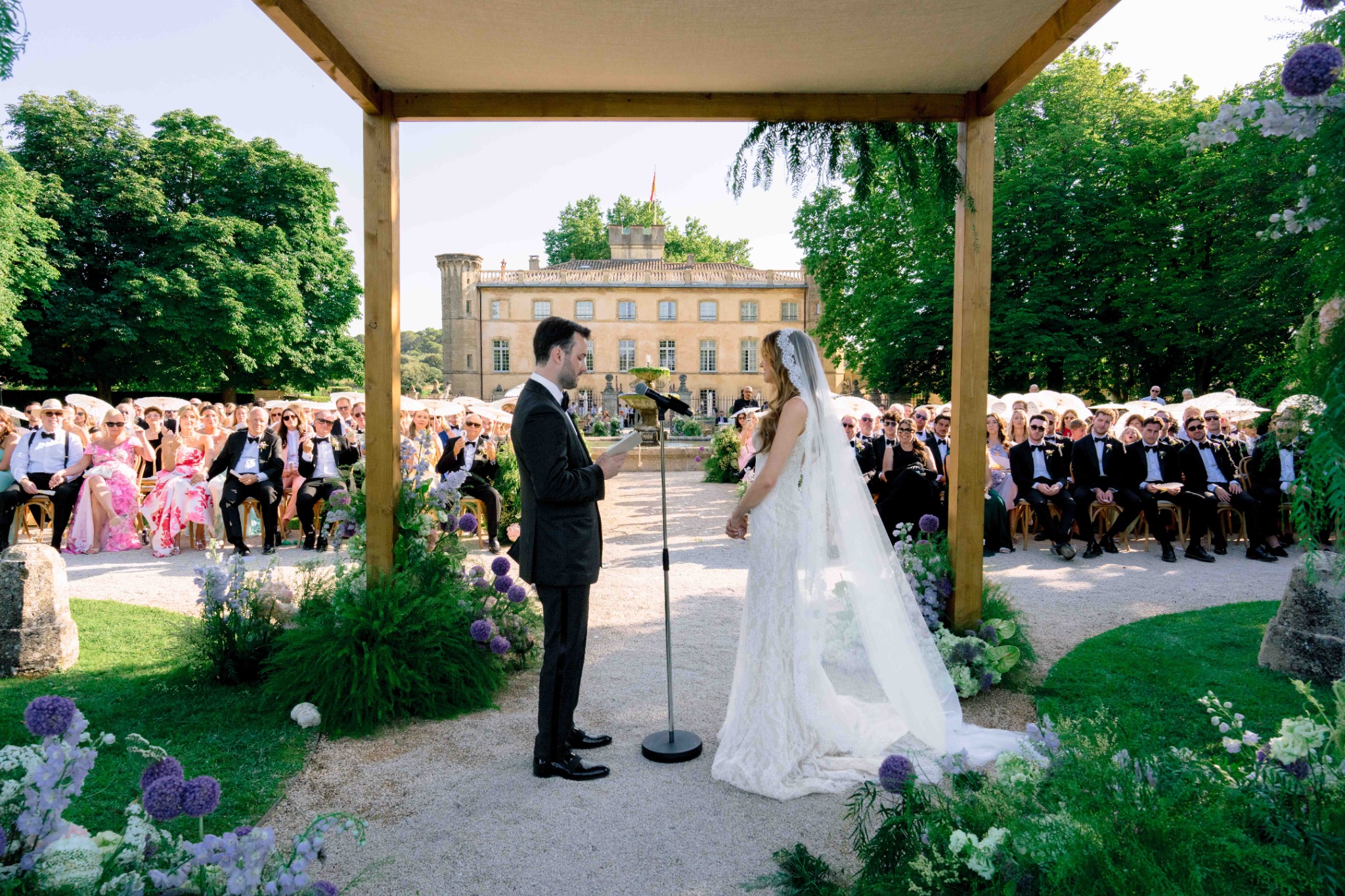
Understand civil and symbolic ceremonies, documents, payments, guest travel and planning between the United States and France.
Read the guide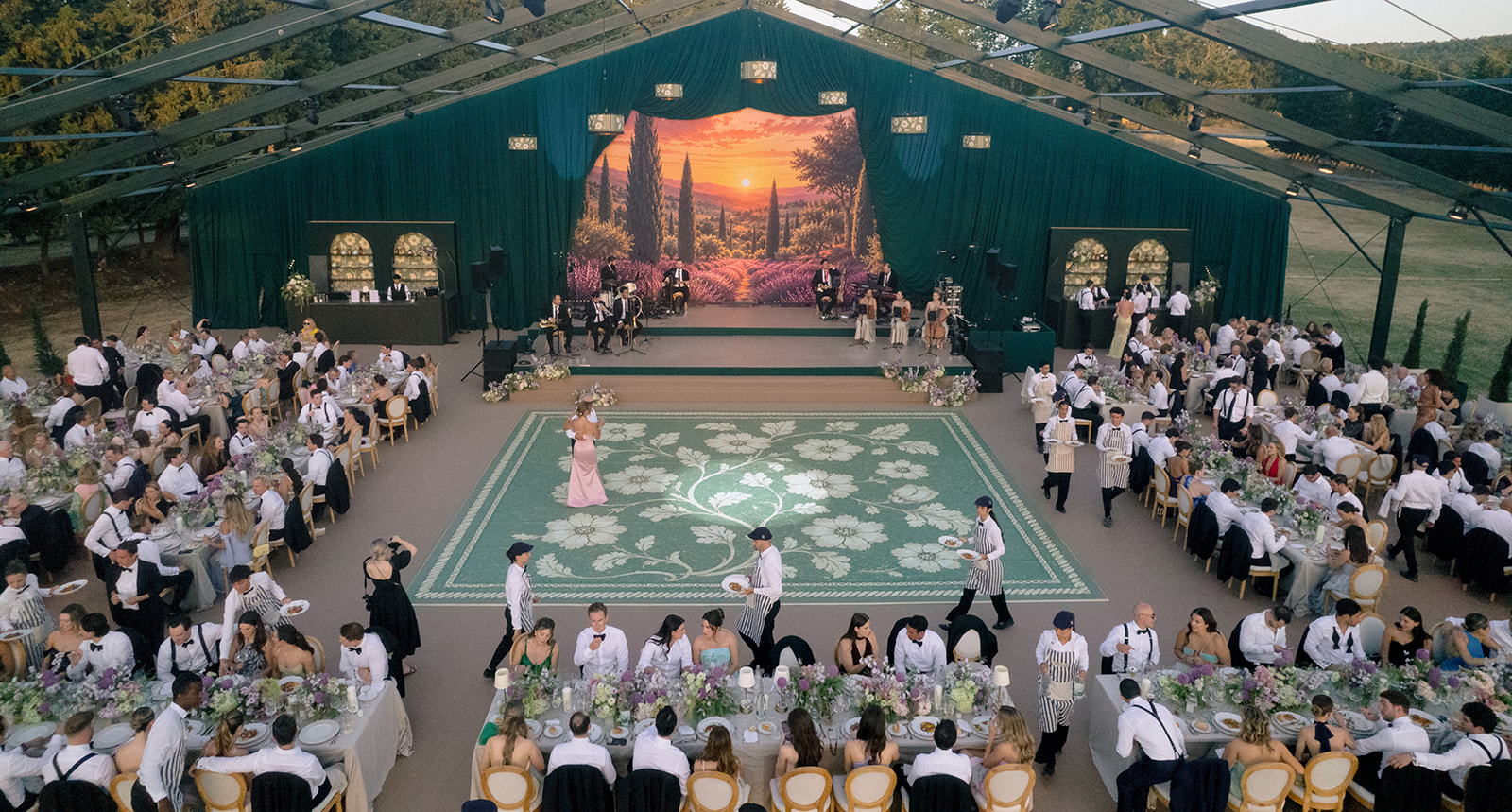
Structure the welcome event, wedding day, after-party and final gathering as one coherent destination experience.
Read the guide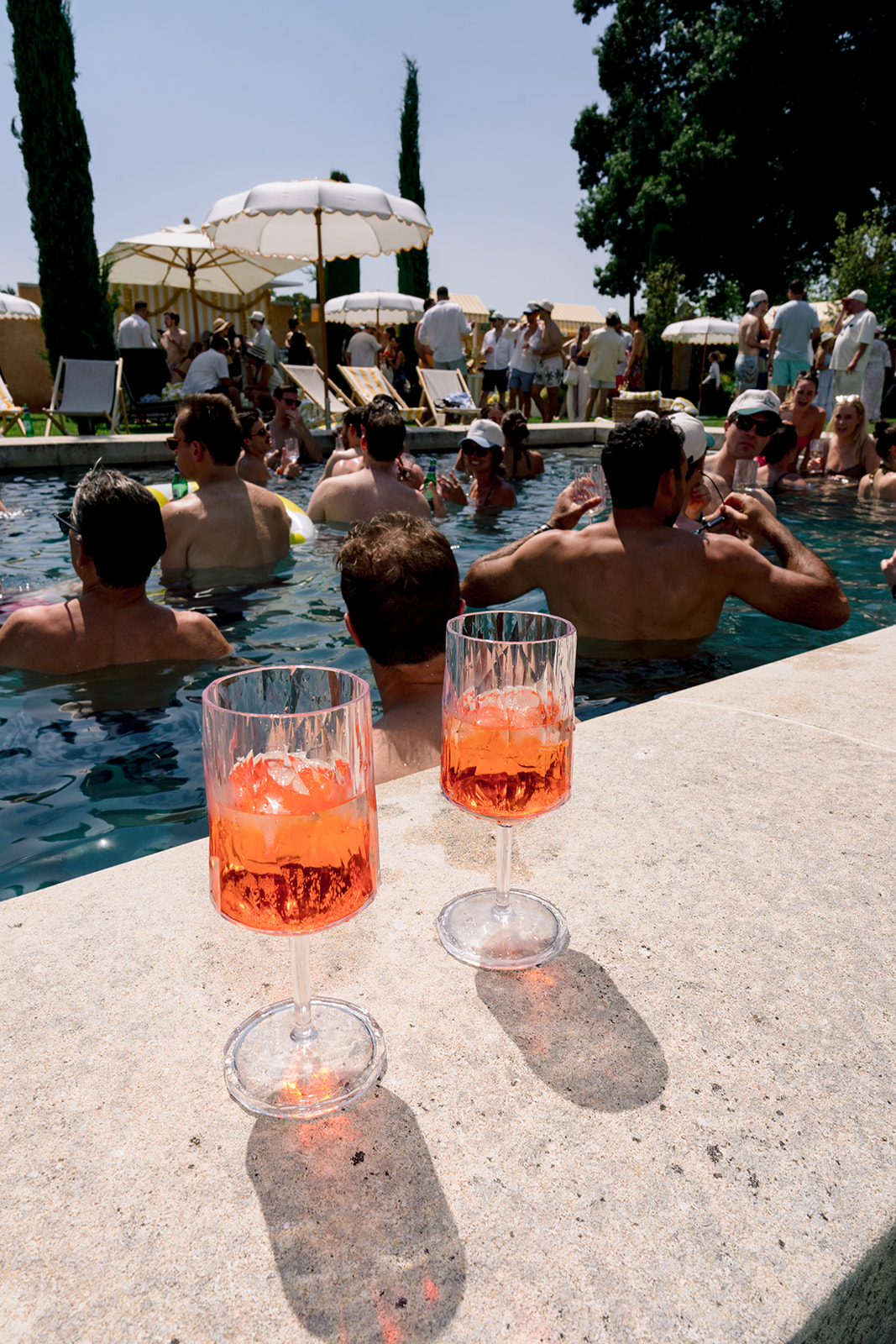
Plan the timing, yellow-and-white design, cocktails, food stations, DJ, guest comfort and poolside venue checks.
Read the guide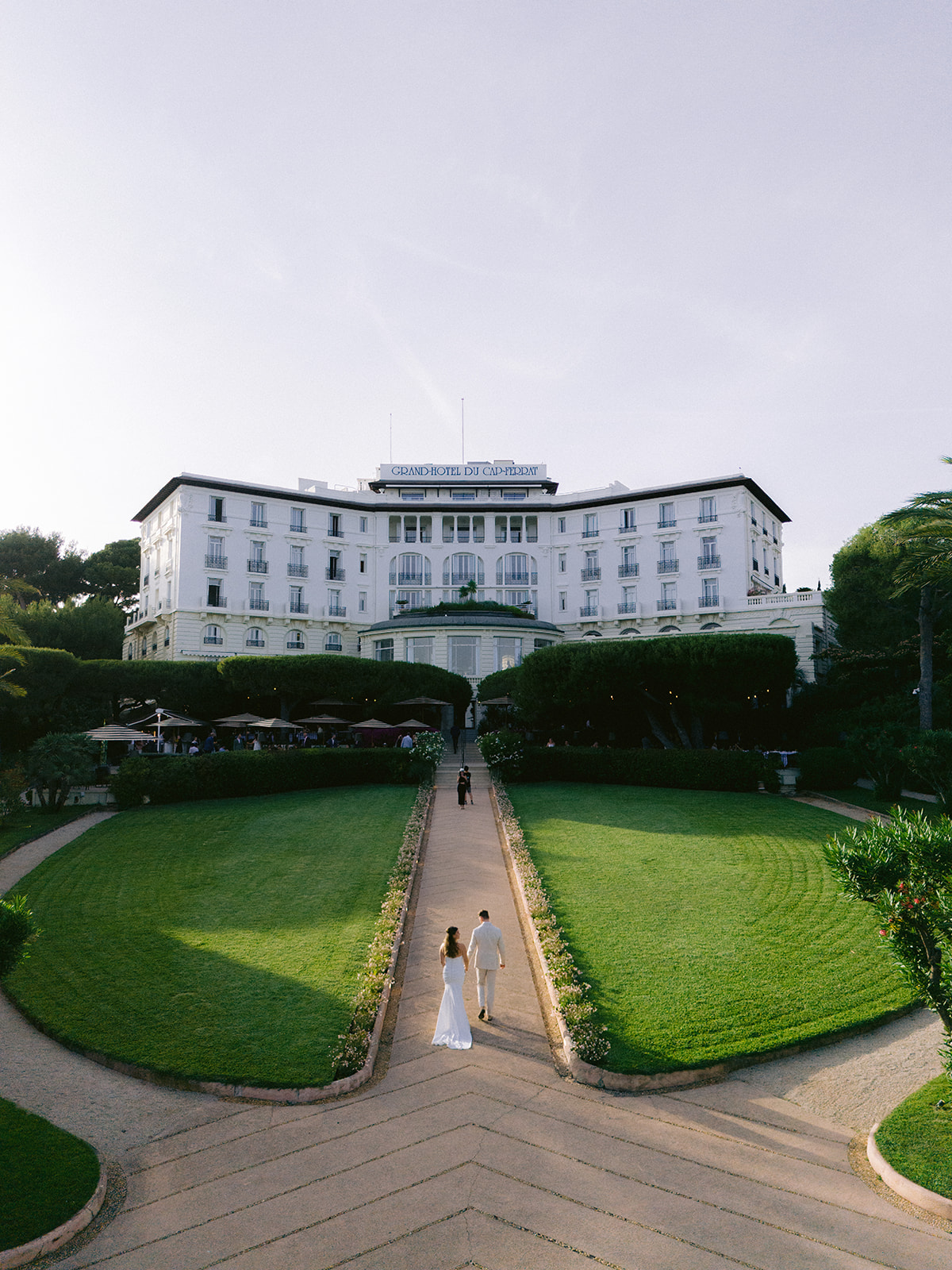
See how the palace, gardens, lower terraces, Club Dauphin and coastline can support one complete destination wedding weekend.
Explore the venue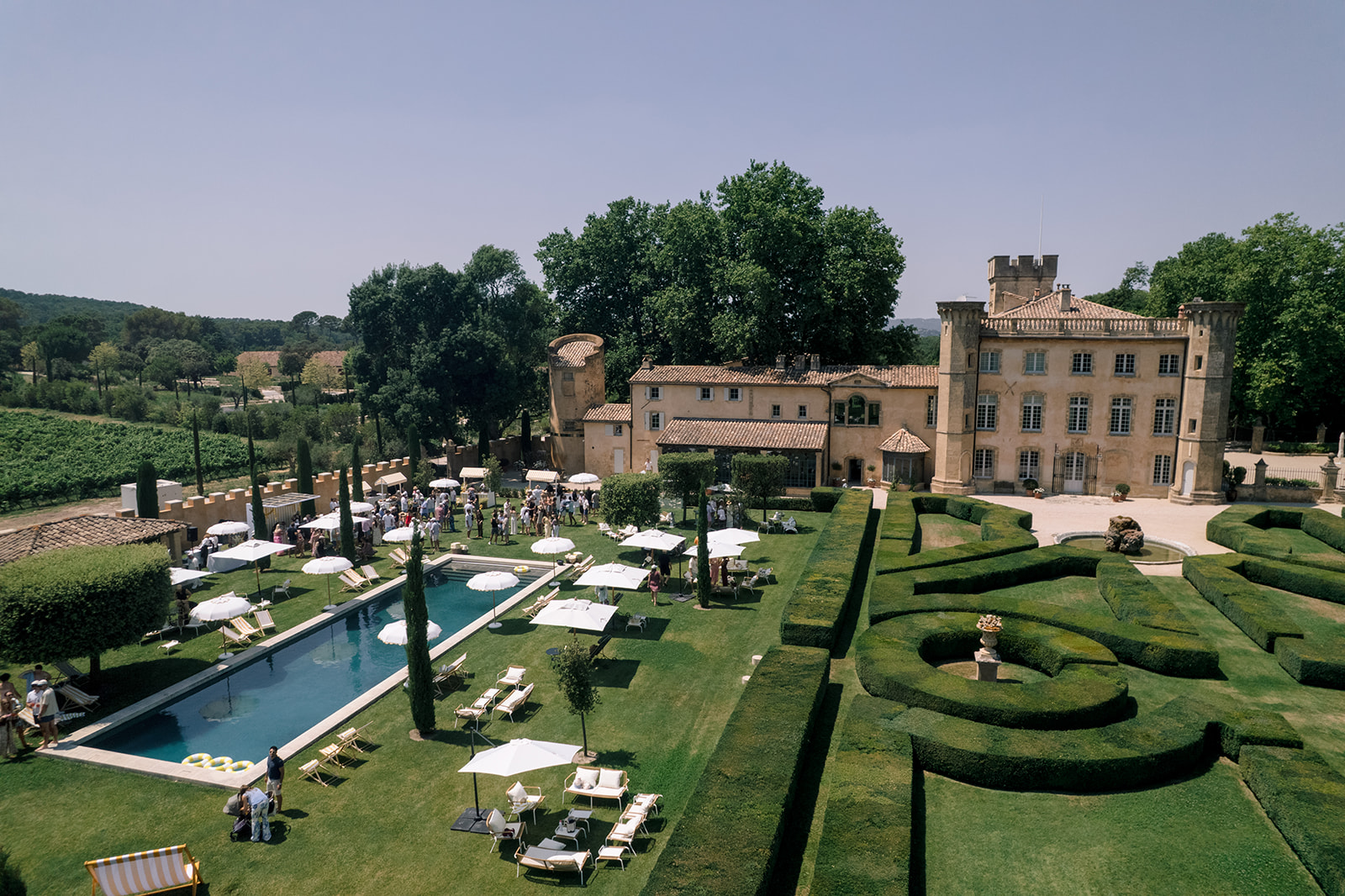
Compare spring, summer, fall and winter through daylight, heat, rain, travel demand and regional differences.
Compare the seasons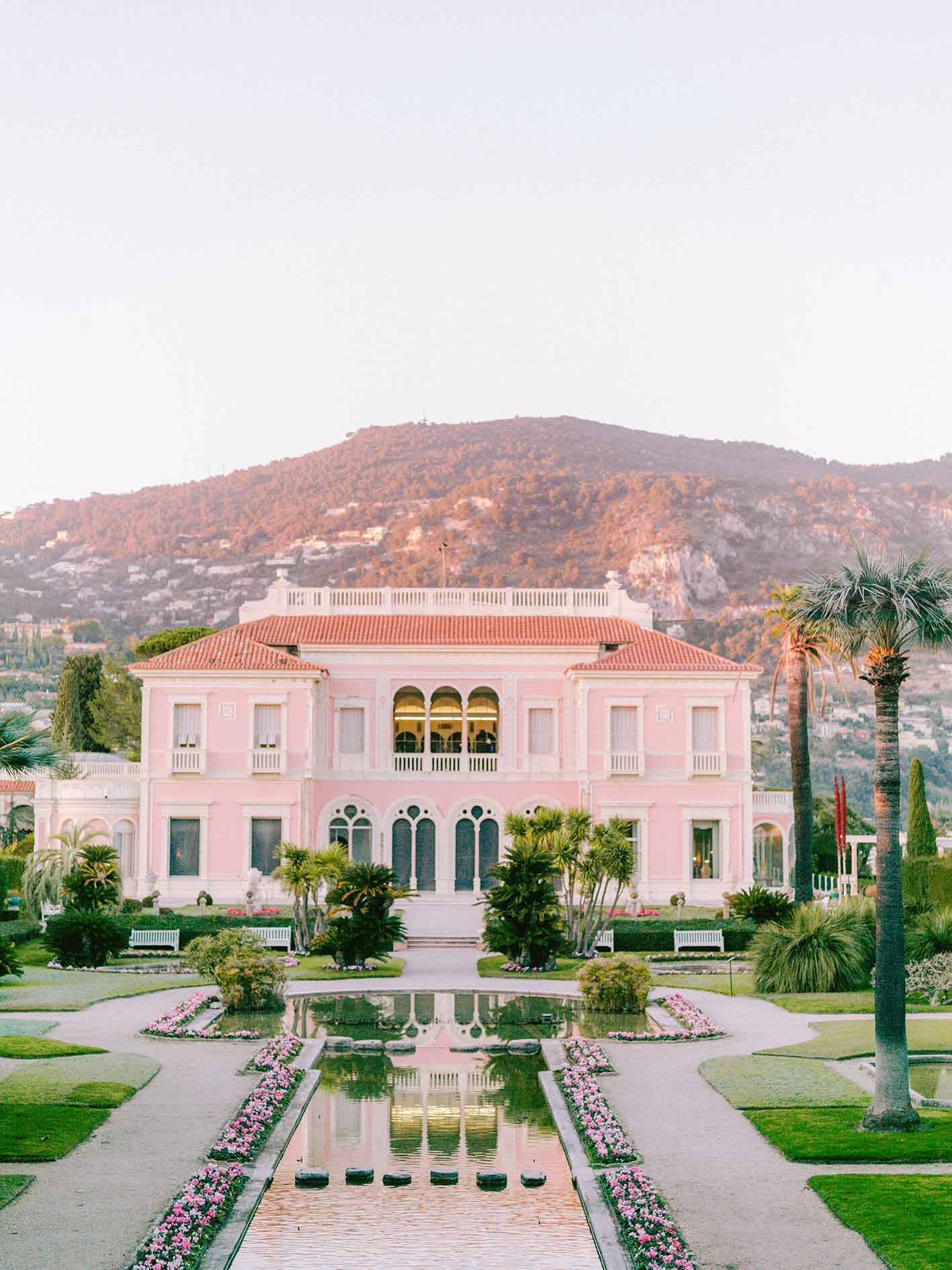
Explore the nine gardens, published venue hire, ceremony settings, reception flow and photography on the Cap Ferrat peninsula.
Explore the villa